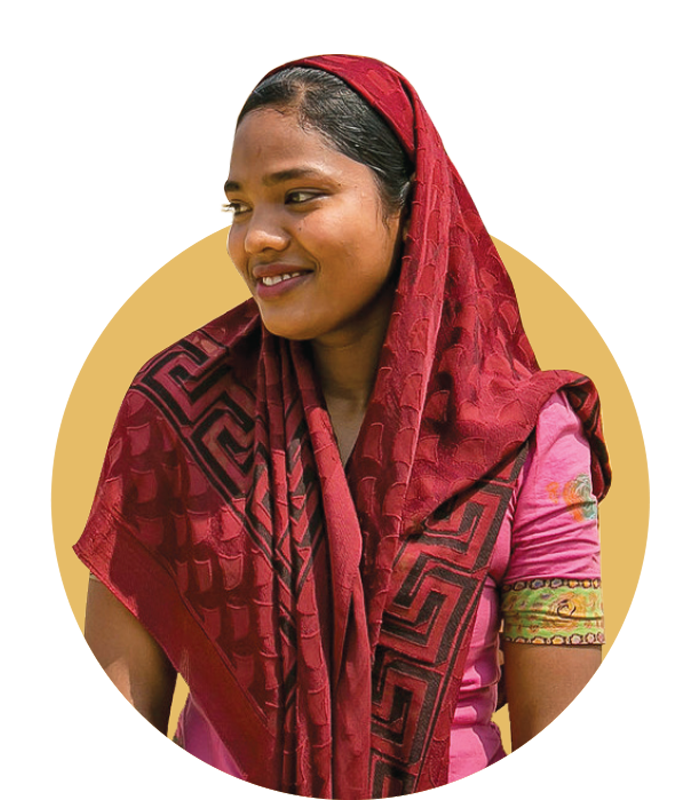
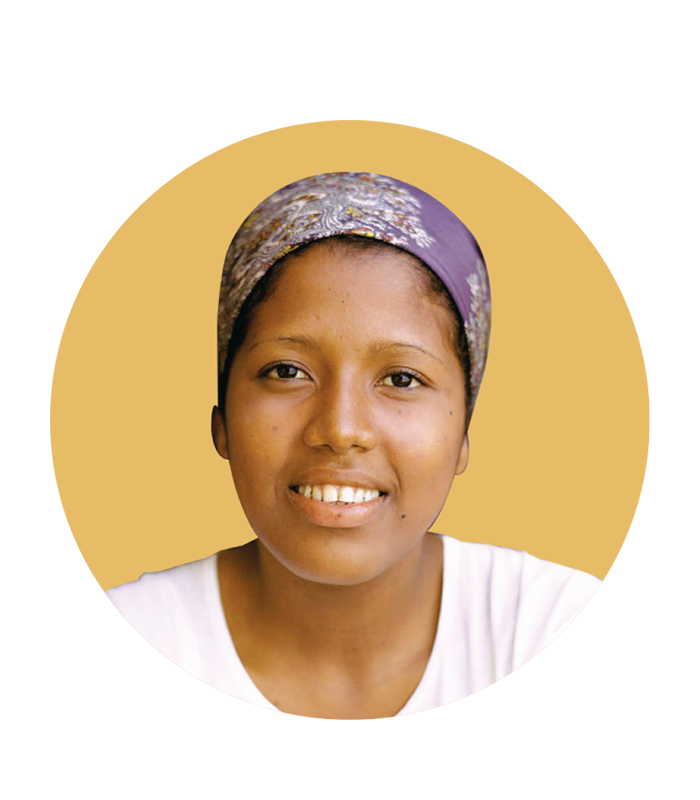
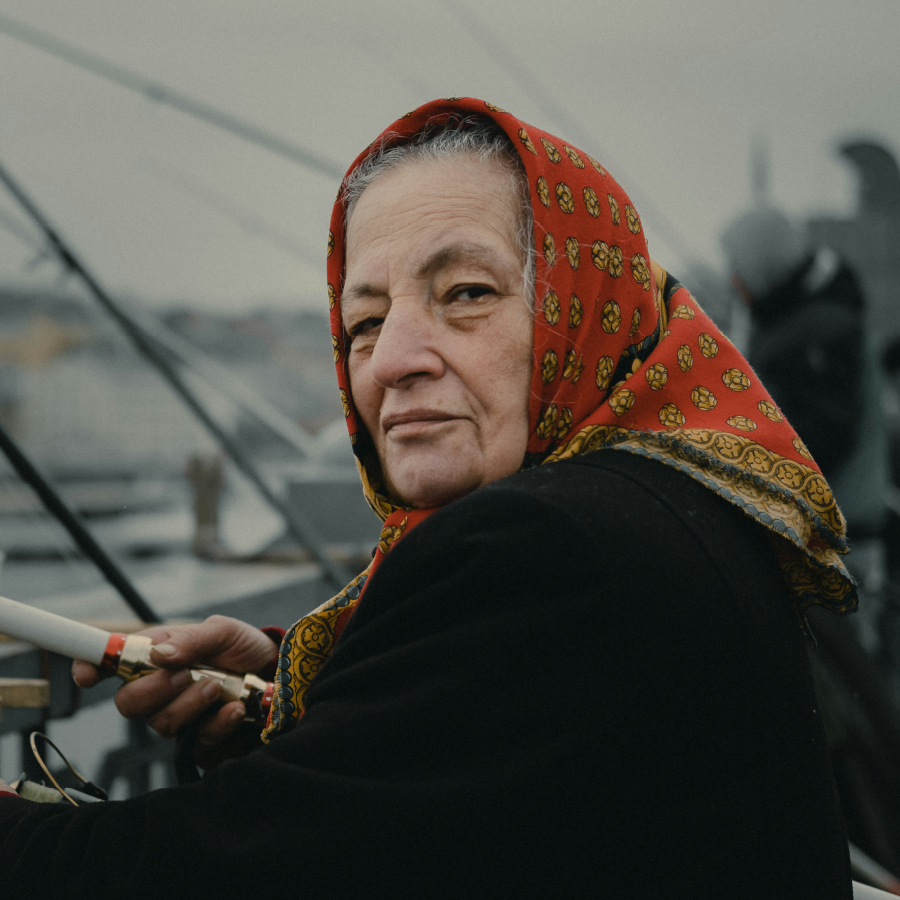
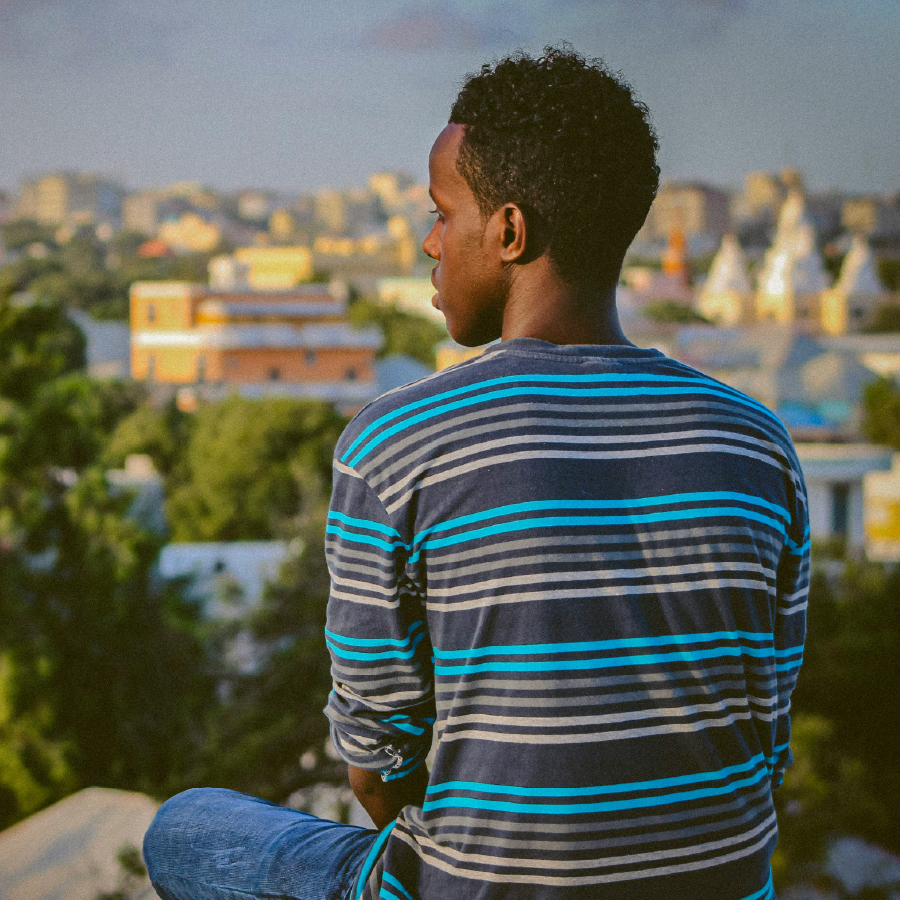
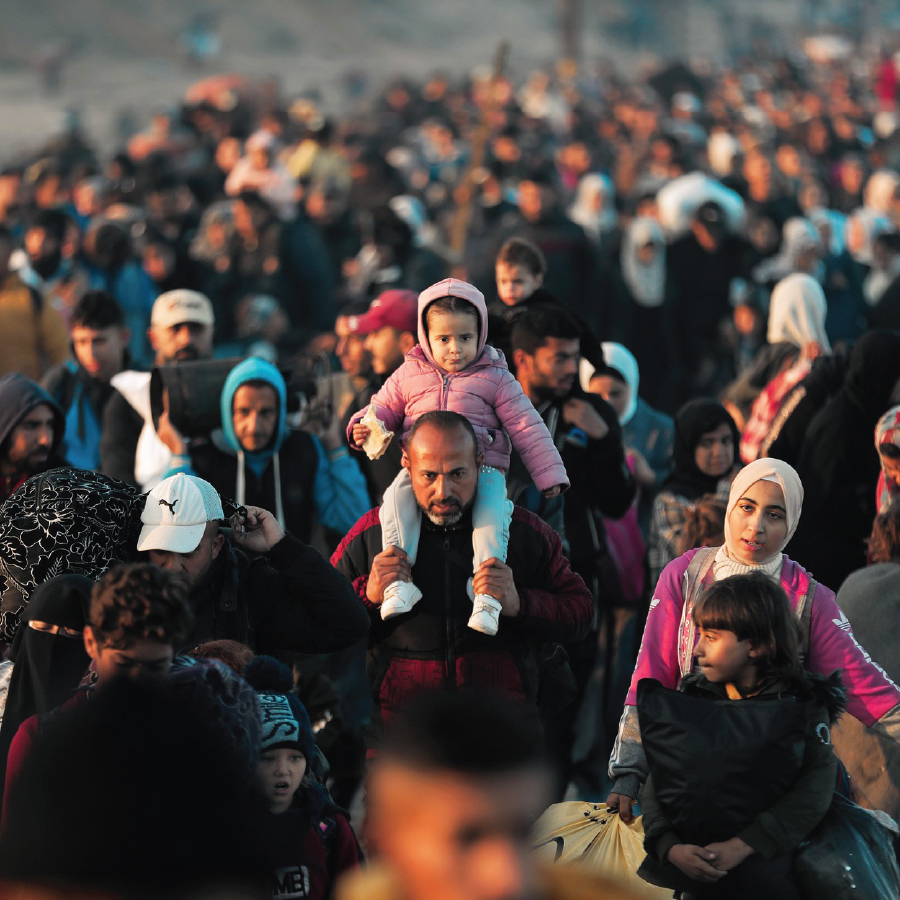
International migration is one of the great issues of this century.
We have entered a new era of mobility.
— Kofi Atta Annan, Former Secretary-General of the United Nations
One Day I Will Return…Perhaps
“Don’t ask me where I’m from—my homeland is far away.” These words carry a melody of their own, and they capture something essential about human history. Without people constantly on the move, humanity would never have spread across the earth. If we were to trace our lineage back, as the biblical genealogies do, we would find that Adam and Eve were not only the first ancestors of the human race—they were also the first migrants.
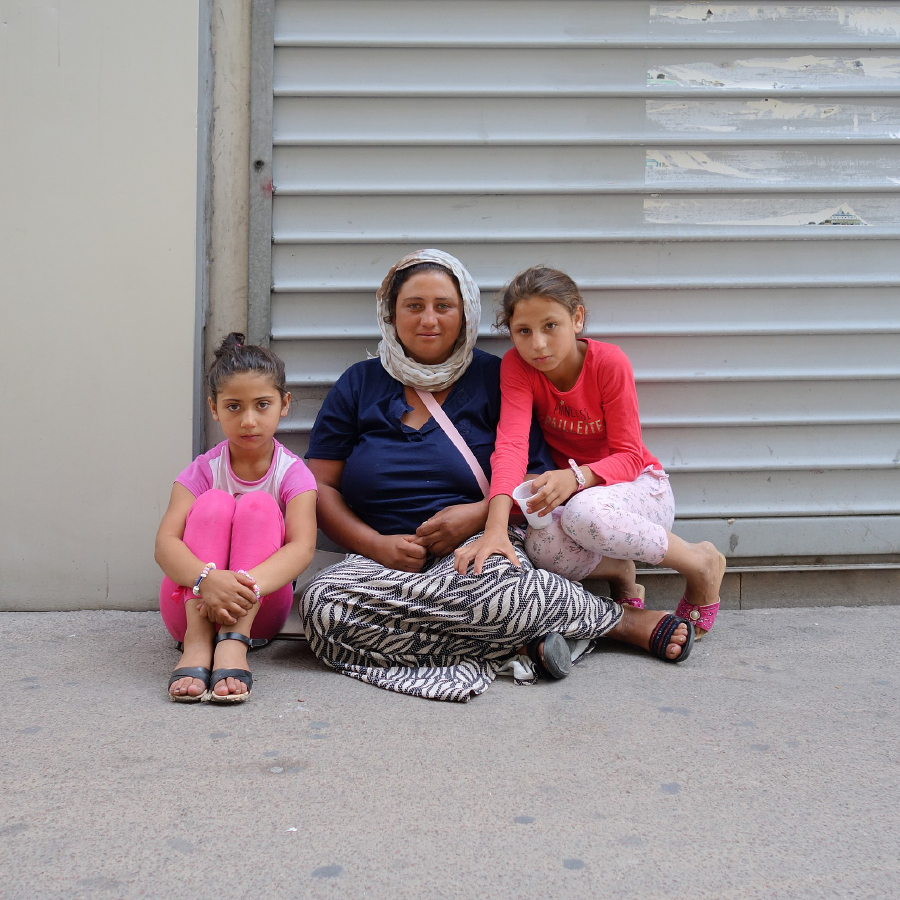
When we hear the word “immigrant,” we tend to picture a family packing up their belongings and crossing a border. But if we begin to see the world through the lens of “displaced or migrating peoples,” we realize that far more people than we might expect have left their country of birth and set foot in a foreign land. Whether by force or by choice, they are all undergoing a kind of departure—leaving behind familiar languages, habits, and surroundings, and stepping into a future marked by challenge and, perhaps, by hope.
In their foundational work Diaspora Missiology, Professors Michael Pocock and Enoch Wan identify four categories of people living outside their place of origin: refugees, economically active migrants, international students, and nomads. In the post-pandemic era, remote work has become a defining feature of modern life, giving rise to the digital nomad—a new kind of person for a new kind of world. With this in mind, we propose adding a fifth category to the original four, one that belongs distinctly to our present moment.
Taken together, these categories help us see more clearly the full spectrum of those who have left their homes—and the unique challenges each group faces.
Types of Migrating Peoples
Refugees
The United Nations Refugee Convention defines a refugee as a person who, owing to a well-founded fear of persecution on the basis of race, religion, nationality, membership in a particular social group, or political opinion, is outside their country of nationality and is unable or unwilling to return.
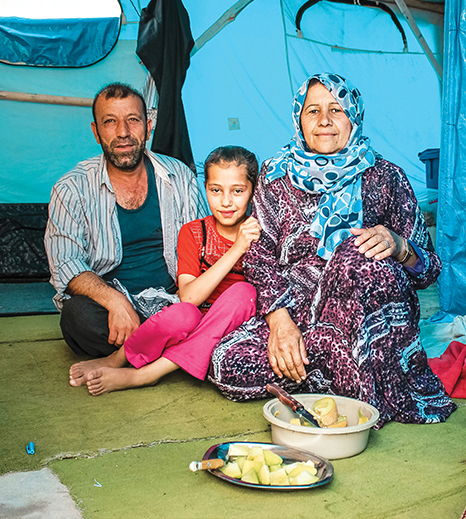
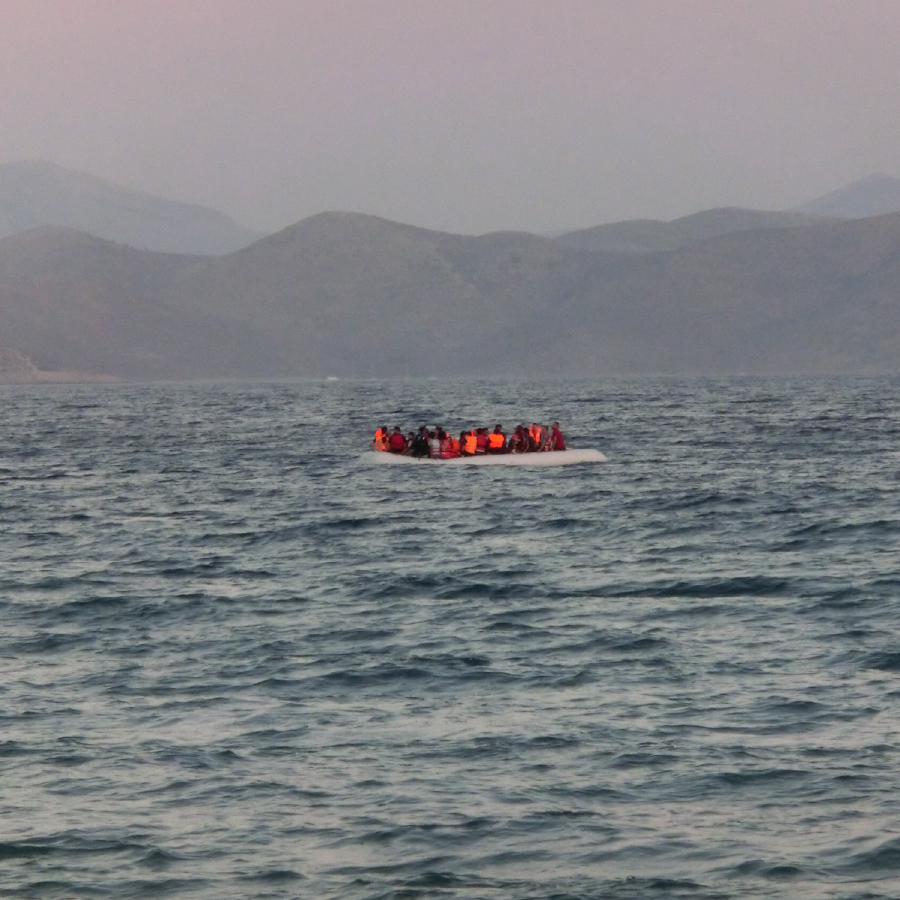
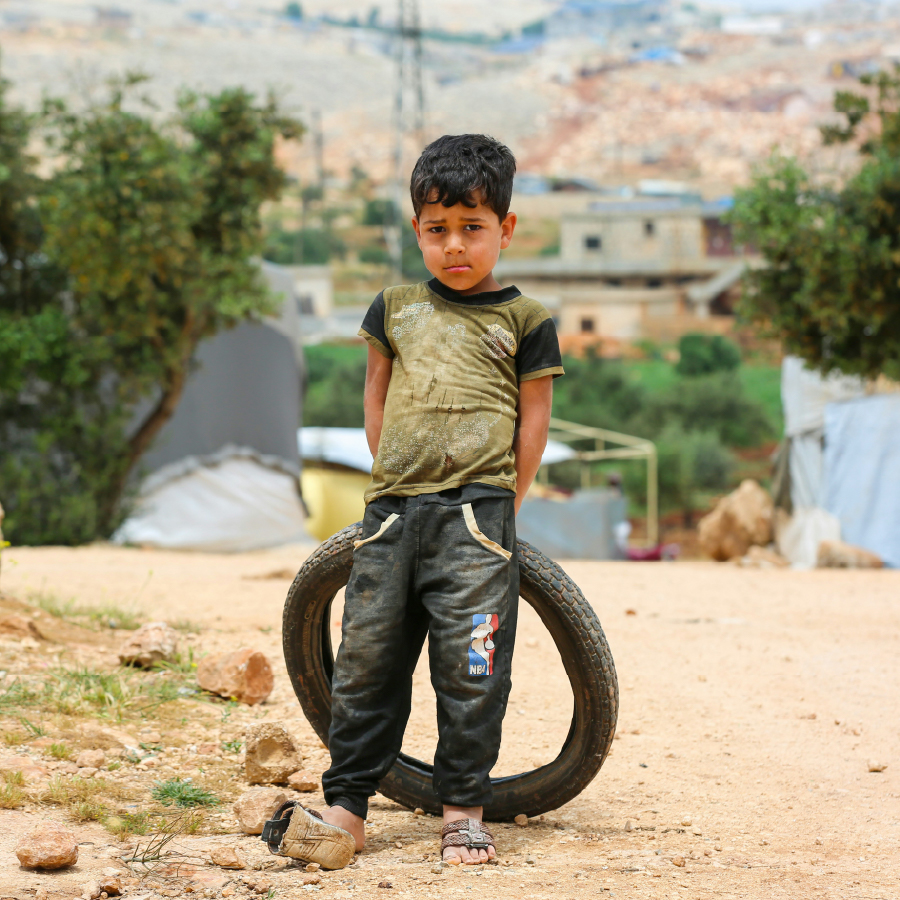
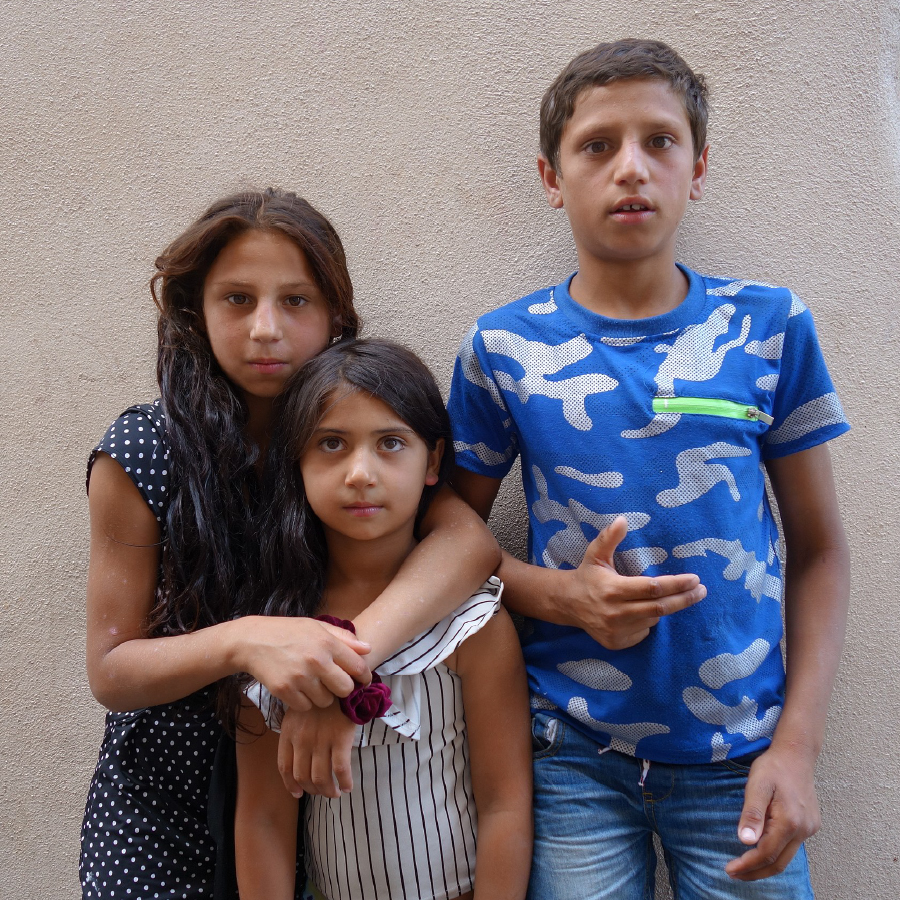
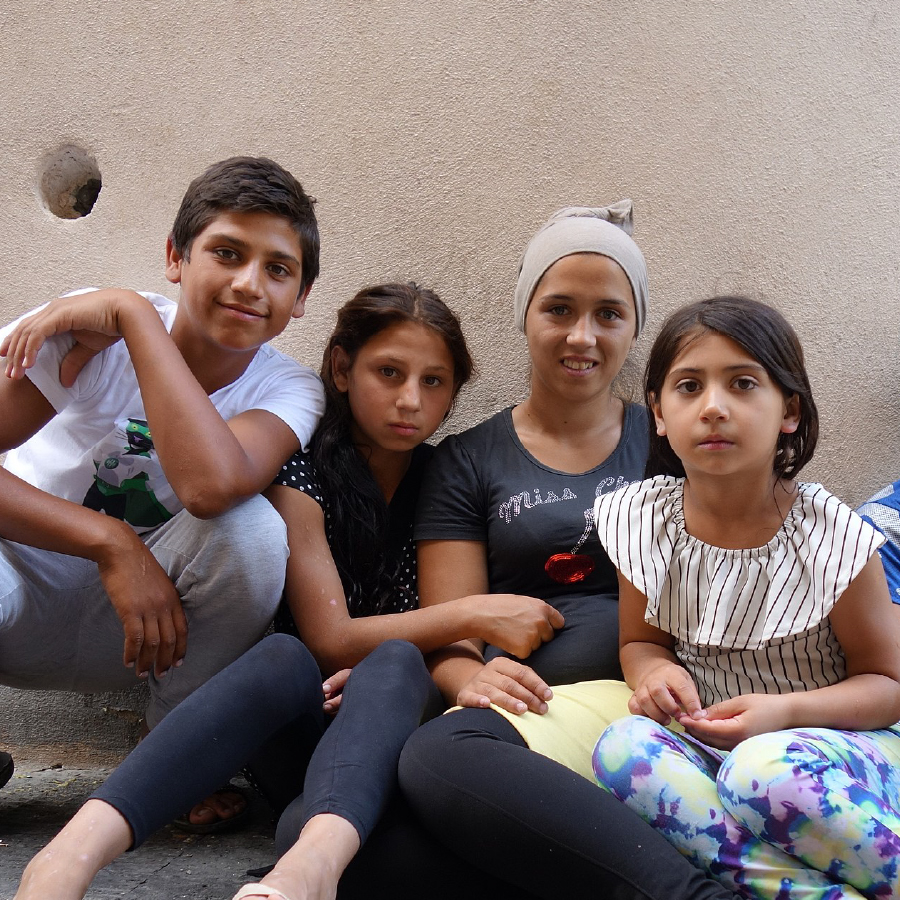
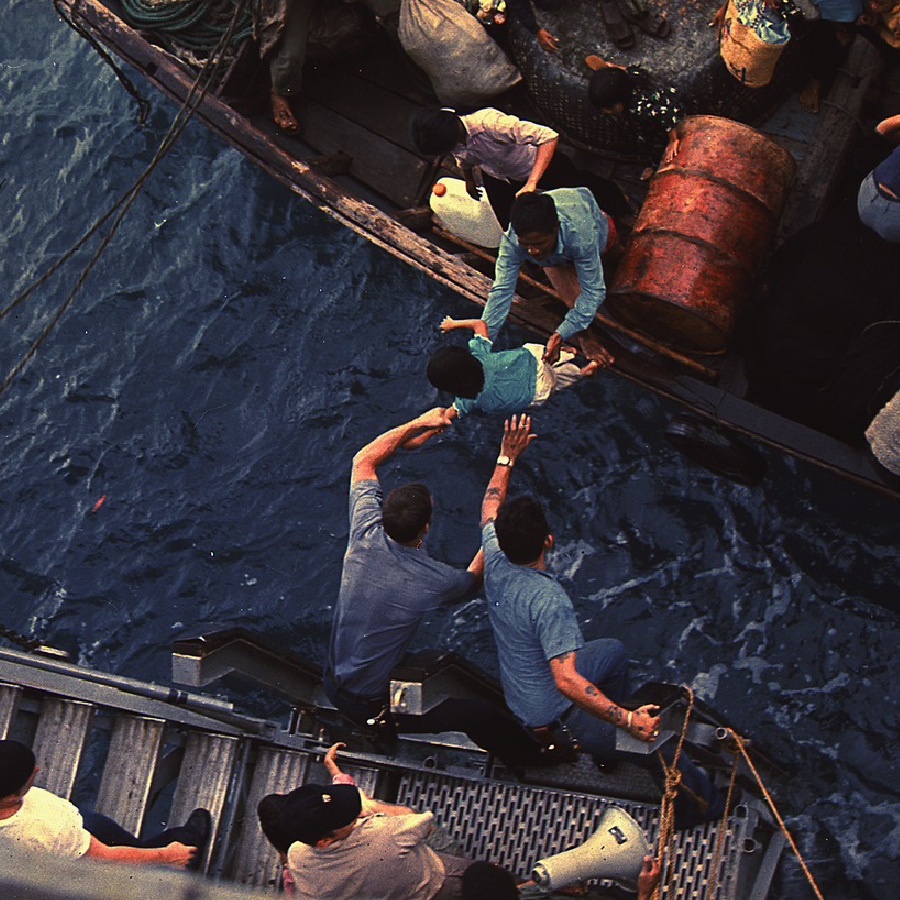
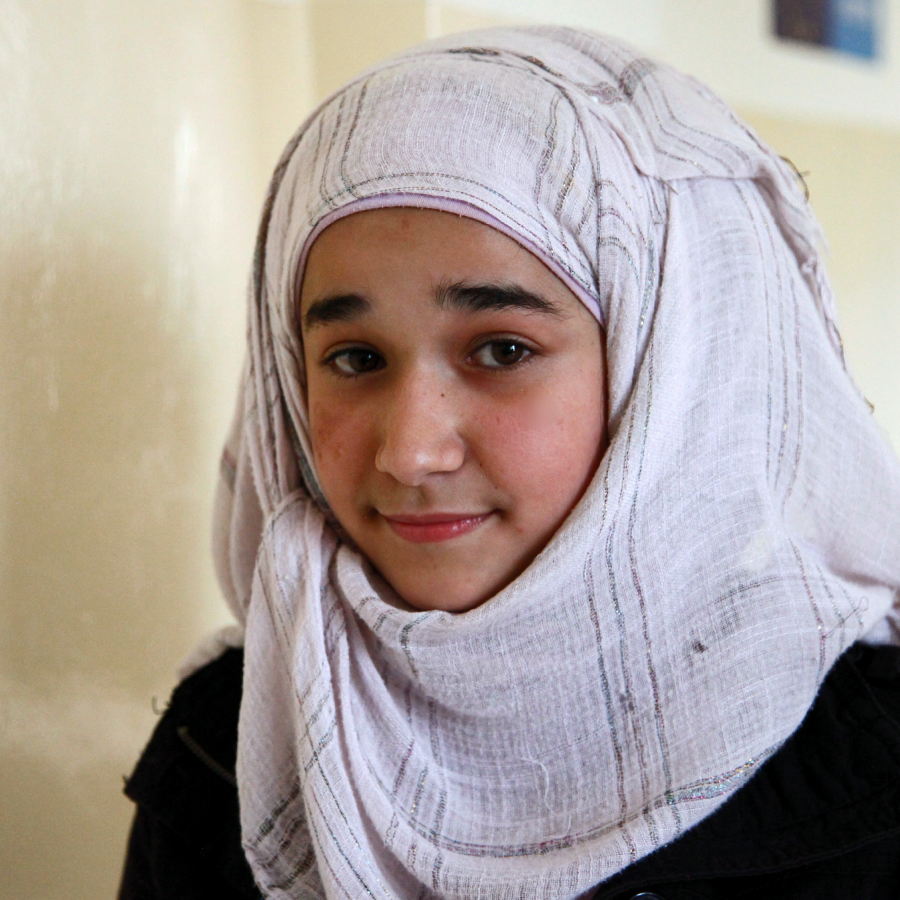
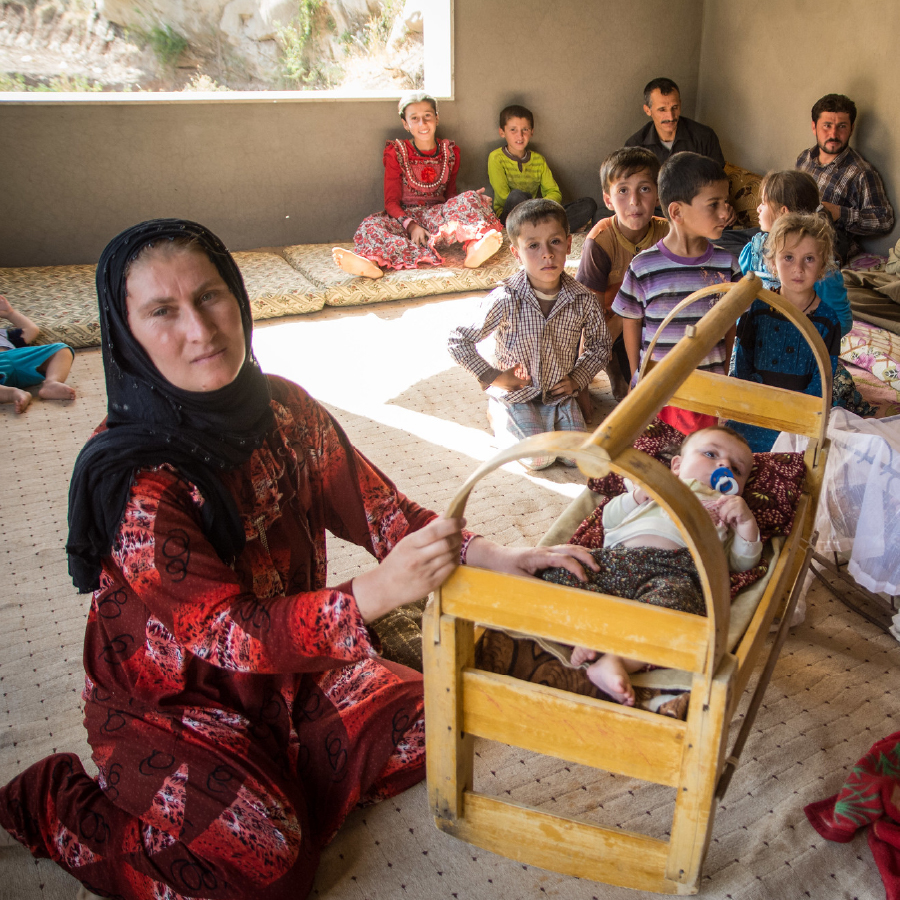
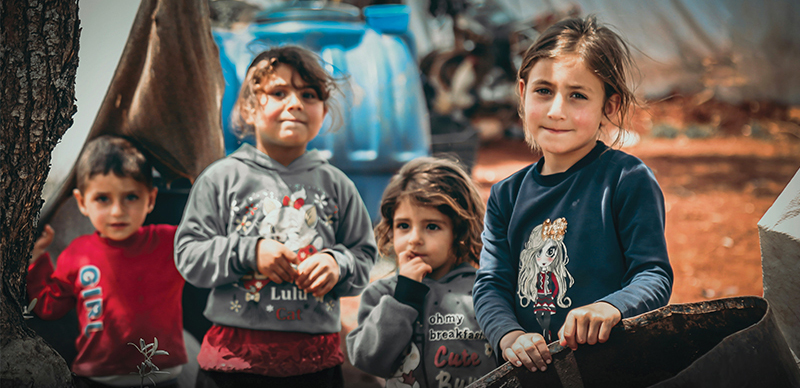
Refugees are people who have been forcibly displaced—driven from their homes by war, violence, or instability, often with no safe path of return. According to data from the United Nations High Commissioner for Refugees, as of April 2025, more than 122 million people worldwide have been forcibly displaced. Of these, approximately 42.7 million are classified as refugees, while tens of millions more remain internally displaced within their own countries.
In the short term, refugees need the essentials for survival: safe shelter, food, and medical care. In the long term, they need either the opportunity to return home or the chance to rebuild their lives in a country willing to receive them. On average, refugees spend between six and fifteen years in temporary camps before securing a more permanent solution. In the face of a crisis of this scale, governments, international organizations, and NGOs—including many churches and Christian institutions—are actively engaged in providing relief and facilitating resettlement. For many refugees, these efforts are an indispensable lifeline.
Economically Active Migrants
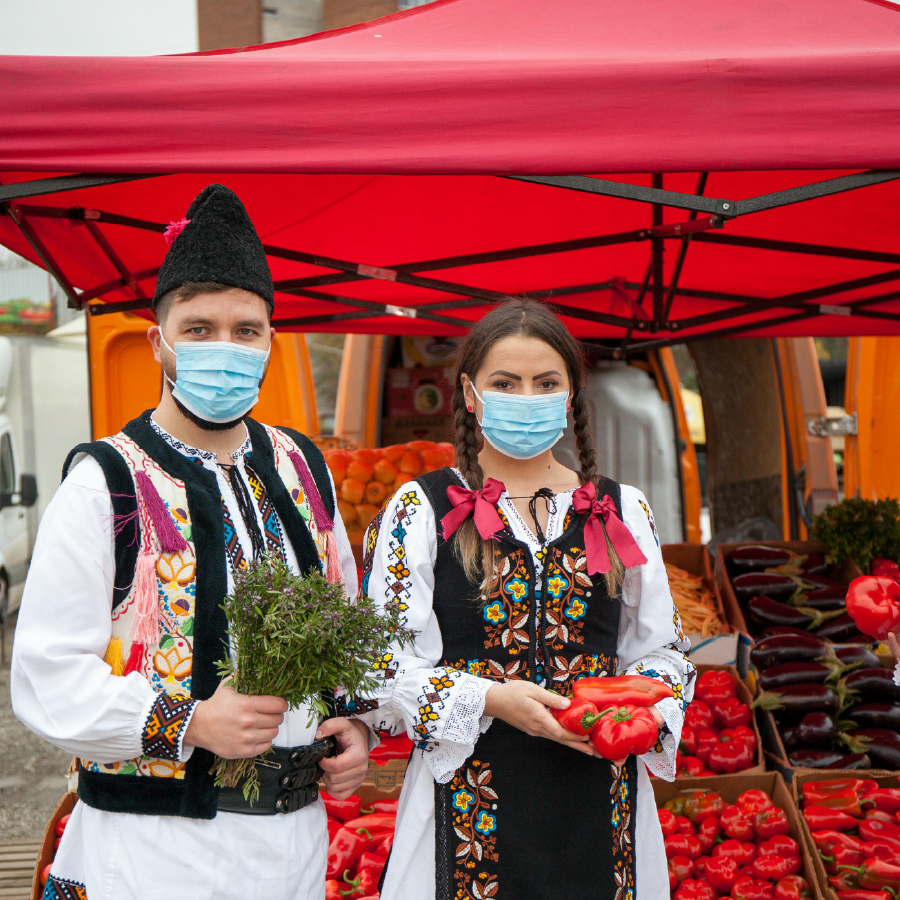
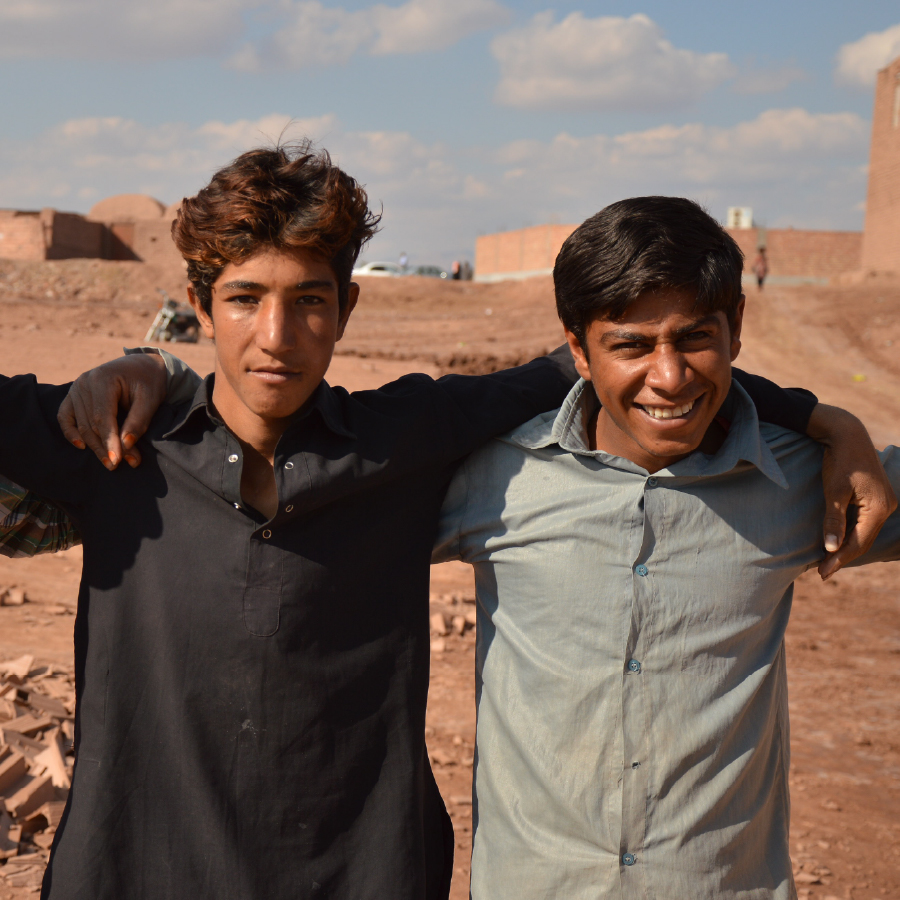
Economic migrants are people who move to another country primarily for employment and economic opportunity, and they make up by far the largest share of those living outside their place of origin worldwide. Some hold formal labor contracts, while others are professionals working across borders or entrepreneurs who have established businesses abroad.
According to the International Labour Organization, there were approximately 167 million migrant workers worldwide in 2022. These workers contribute to the economies of their host countries while typically sending a portion of their earnings back home. The World Bank reports that low- and middle-income countries received more than $800 billion in remittances from overseas migrants in 2022 alone—a flow that has become a vital economic lifeline for many developing nations.
Undocumented or unauthorized migrants also fall within this category, though their numbers are difficult to estimate with precision. The United States alone is estimated to have more than ten million undocumented migrants. Many entered on time-limited visas and remained beyond their permitted stay, while others crossed borders illegally in search of work.
Regardless of legal status, the economic and cross-cultural contributions of economic migrants cannot be overlooked. They help fill labor shortages in developed economies, while also bringing new skills and capital back to their home countries. Many migrant workers are themselves Christians, quietly carrying the gospel into every corner of the world through their workplaces and business relationships—building bridges across cultures in ways that formal mission structures often cannot.
International Students
International students are among the most influential segments of the global mobile population. According to UNESCO, approximately 6.9 million students were enrolled in higher education outside their home countries in 2022, with more than half studying at institutions in Europe and North America.
Many international students choose to remain in their host countries after completing their studies—taking jobs, building careers, and in some cases obtaining permanent residency. This can contribute to a significant “brain drain” in their countries of origin. In some countries in Africa and Central America, more than half of university graduates emigrate to developed economies after finishing their education—a large-scale outflow of skilled talent that places further strain on already fragile public services back home.
The cross-border flow of talent also has its positive side. Students who return home after completing their studies abroad bring back up-to-date knowledge and global perspectives, with the potential to strengthen the technical capacity and innovative potential of their home societies. Even those who remain overseas often give back through remittances, investment, and academic collaboration.
Many young people who would otherwise have little or no exposure to Christianity in their home countries first encounter the gospel while studying abroad. Student fellowships and local churches that actively welcome international students—offering language support, homestays, and opportunities for genuine cultural exchange—often become their first experience of the love of Christ in an unfamiliar place. International graduates who come to faith during their student years carry significant potential to become key contributors to cross-cultural ministry, wherever in the world they may go.
Traditional Nomads
Traditional nomadic peoples represent a distinct and substantial segment of the world’s mobile populations. Globally, their numbers are estimated at between thirty and forty million, living primarily across the steppes of Central Asia, the Caucasus, and the Sahel—the semi-arid belt south of the Sahara in Africa. Well-known nomadic groups include the Fulani of West Africa, the Maasai of East Africa, the Bedouin of North Africa and the Arabian Peninsula, as well as the Inuit and Sámi peoples of the Arctic.
For generations, nomadic peoples have sustained self-sufficient ways of life, enabling them to make use of environments that others cannot cultivate. Yet the advance of modernity is steadily constraining the space in which such ways of life can continue. The drawing of national borders, land privatization, and the erection of fences have blocked traditional migration routes. Mechanized agriculture and settled farming have steadily eaten into grazing lands. Drought, conflict, and other pressures have only compounded the strain. As a result, many nomadic communities have been forced to settle or fundamentally transform their way of life.
In their host countries, nomadic peoples often find themselves on the margins of society, facing the loss of traditional grazing rights and lacking adequate access to education, healthcare, clean water, economic opportunities, and legal protection. A number of international development and aid organizations—including World Vision and International Justice Mission—work specifically with nomadic communities, drilling wells, establishing mobile schools, and advocating for their legal rights, helping them improve their living conditions while preserving their traditional ways of life.
Digital Nomads
Digital nomads are knowledge workers who, enabled by modern technology, can treat the entire world as their office. They typically work in fields such as software development, digital marketing, design, writing, online education, or consulting—roles that can be performed remotely with nothing more than a laptop and a reliable internet connection.
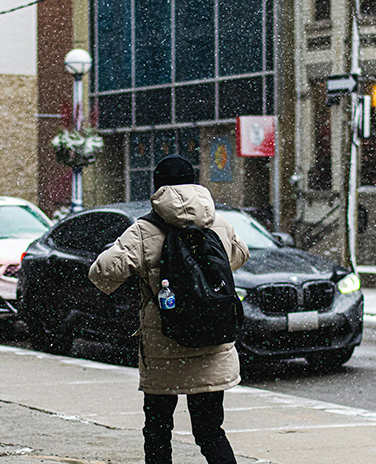
Digital nomads are drawn to a lifestyle of travel and freedom, working as they move and choosing where to live from month to month. They might spend a few months writing code in a café in Bali, then head to a co-working space in Lisbon later in the year to collaborate with others. By 2024, more than 40 million people worldwide identified as digital nomads, and a growing number of countries have introduced dedicated “digital nomad visas” to attract this mobile, high-spending workforce and stimulate their local economies.
For digital nomads, mobility is largely a matter of choice rather than necessity. This new form of movement blurs the boundaries between travel and residence, and between work and leisure, while also posing challenges to existing visa, tax, and labor frameworks. For the church, digital nomads present a distinctive reality: scattered across the globe, they can serve as bridges for cross-cultural engagement and mission, yet they also need meaningful connection, support, and spiritual accountability. How to pastor and equip these “citizens of the earth” through both digital and in-person means has become an emerging question—one that contemporary mission cannot afford to ignore.
When “there is no way forward here” and “there is hope elsewhere” intersect, movement becomes inevitable. The global flow of information and the ease of modern transportation have made such movement more frequent and more accessible than ever before.
What may appear to be the random movement of people, however, carries within it the purposes of God: drawing people from places where the gospel is scarcely heard to places where the truth can be known, and sending those who have been born again to places still in need of hope. Whatever the direction of that movement, its deeper purpose remains the same—that we might seek God, who is not far from any one of us.
This great tide of cross-border movement brings both challenges and opportunities to the nations it touches—and stands as a test set before the global church.