



Yunnan Province, China
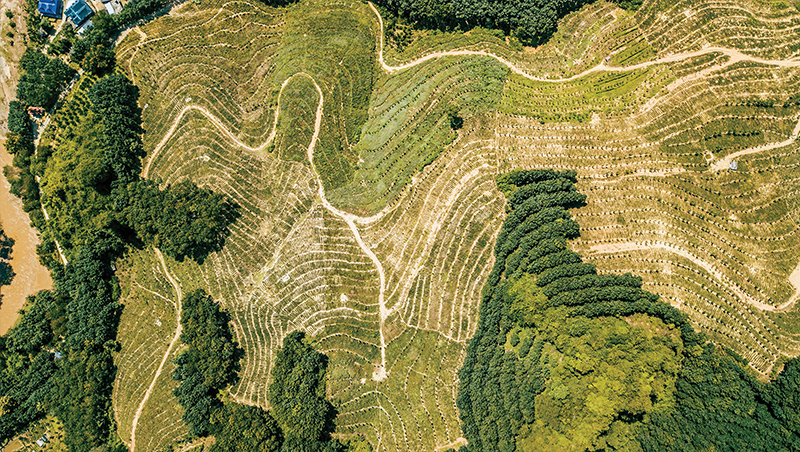
Xishuangbanna
World-Class Natural Landscapes
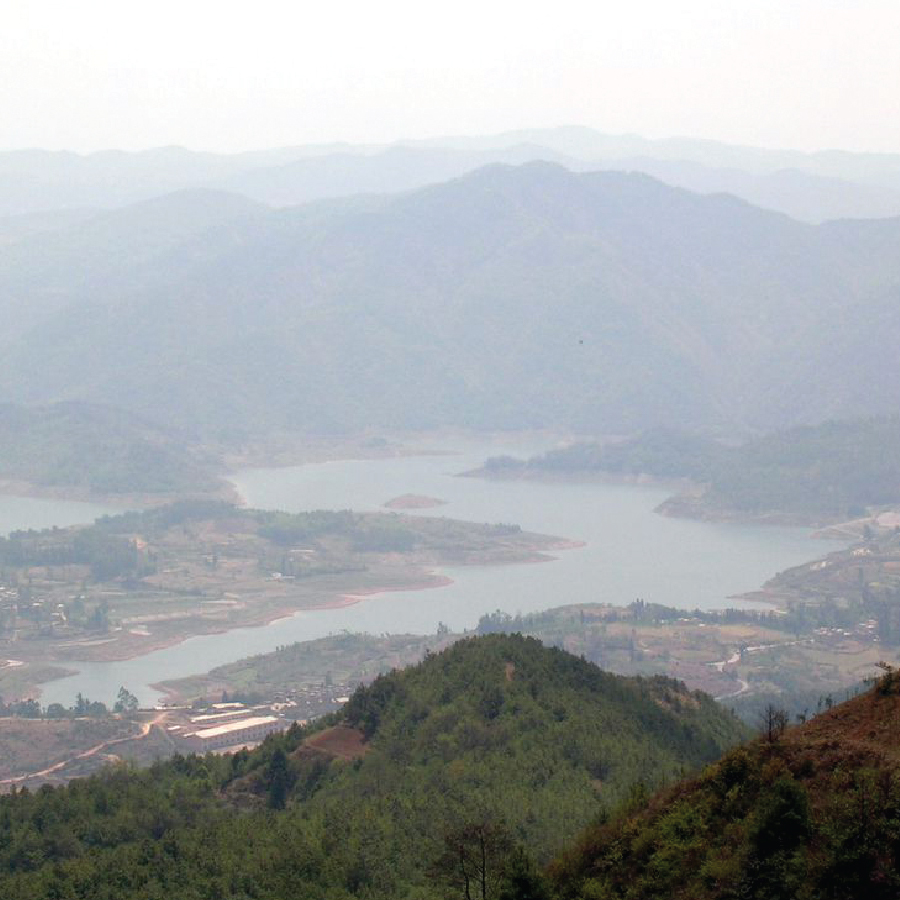
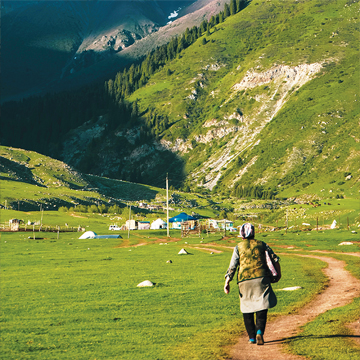
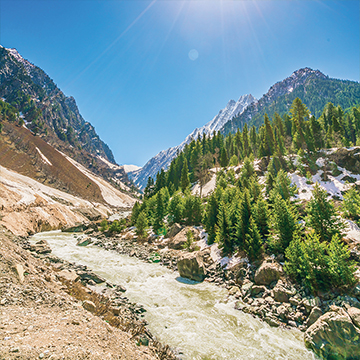
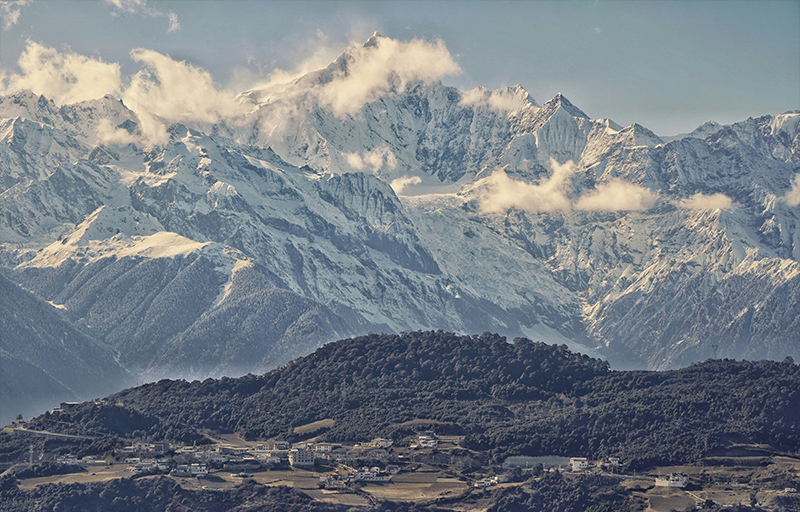
Yunnan sits atop China's southwestern plateau, its terrain sloping dramatically from the northwest highlands down to the southeast lowlands. The elevation range is staggering—from the glacier-capped peaks of the Meili Snow Mountains, soaring above 6,000 meters, down to the tropical rainforests of Xishuangbanna at just 500 meters. This extreme vertical range inspired the local saying: "Four seasons on one mountain, different weather every ten miles."
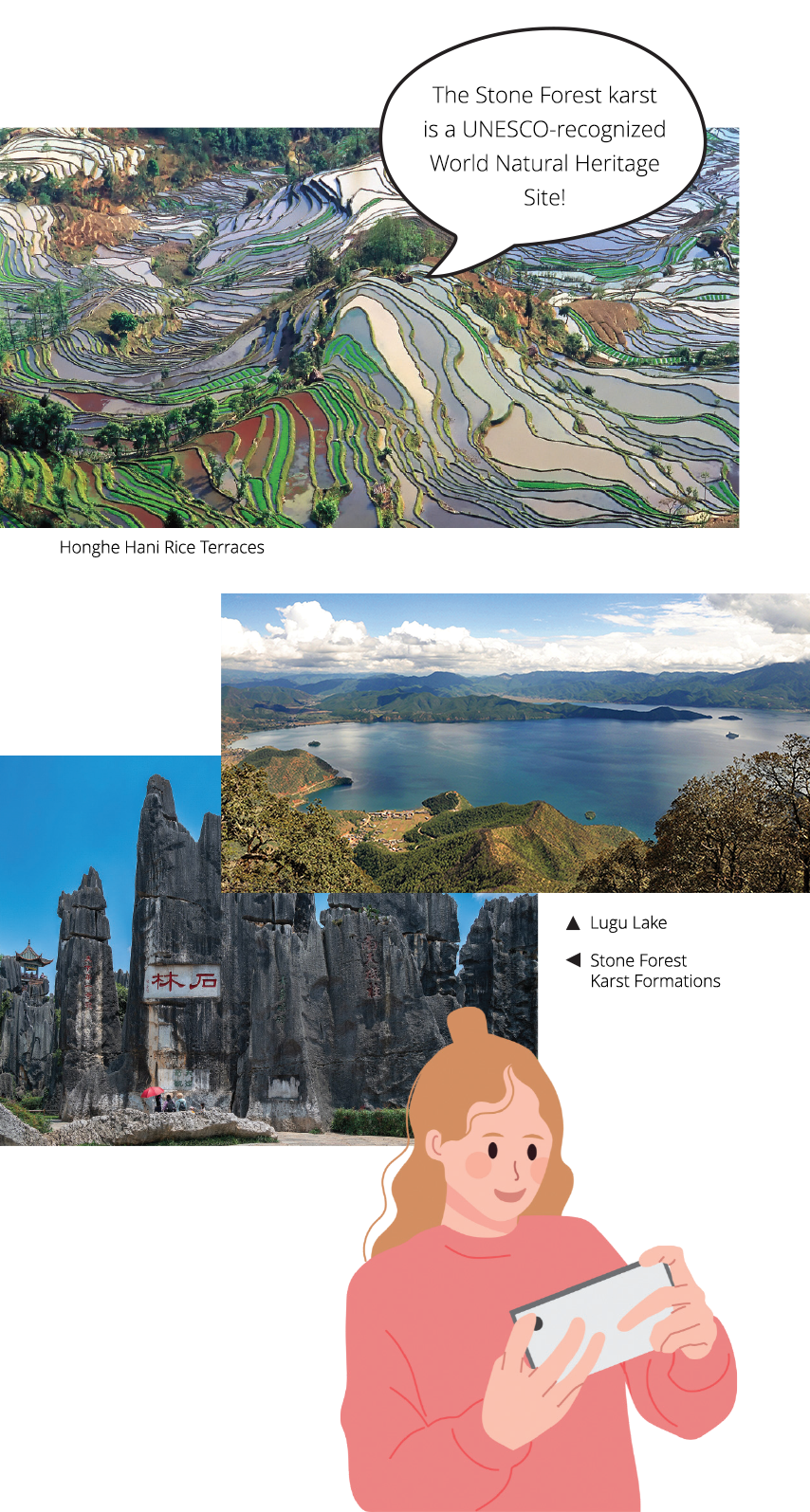
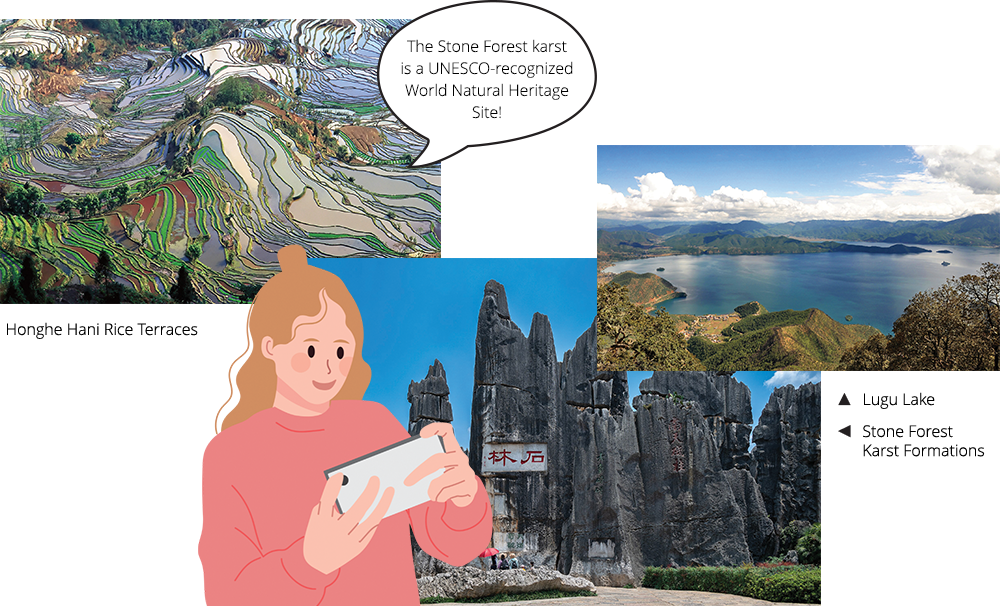
Beyond its mountains, Yunnan is home to a constellation of world-class landscapes: the Honghe Hani Rice Terraces, the Stone Forest karst formations, and a chain of highland lakes including Lugu Lake, Erhai Lake, and Dian Lake.
A Living Museum of Ethnic Cultures
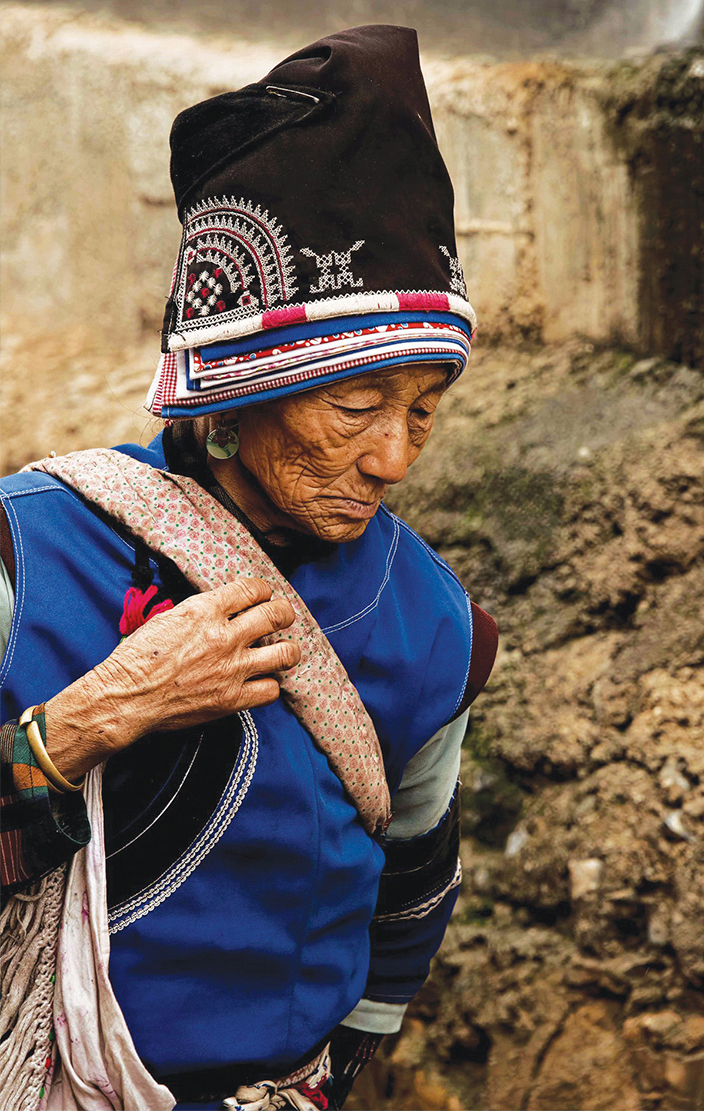
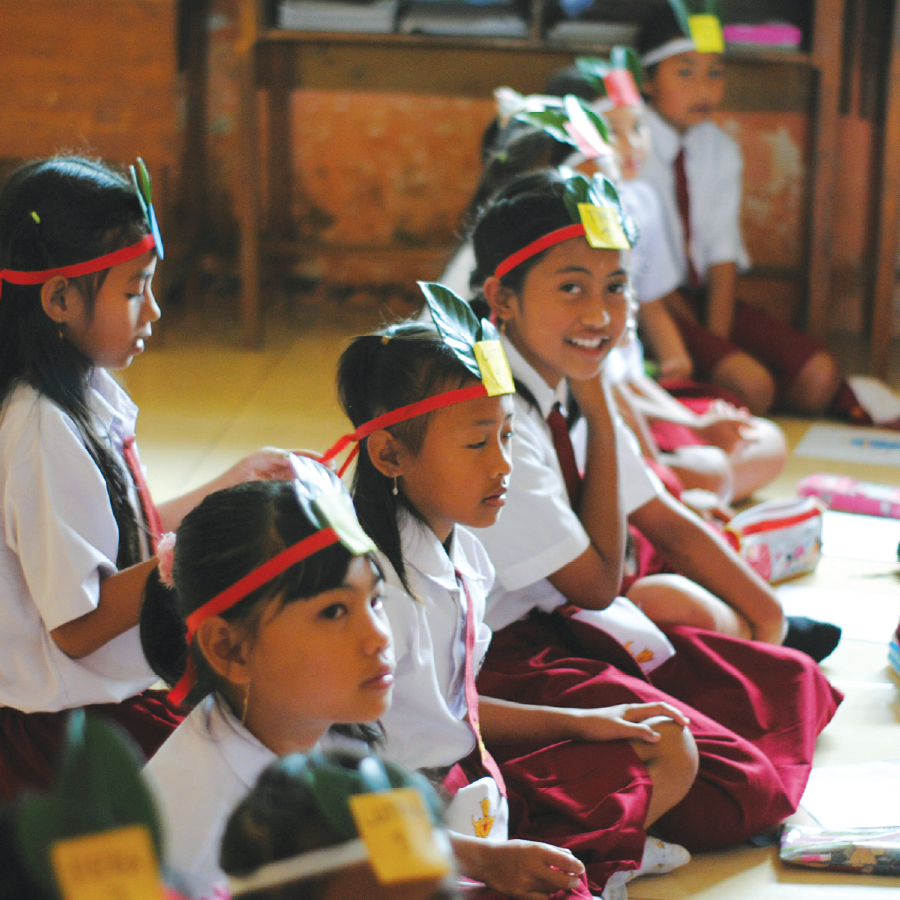
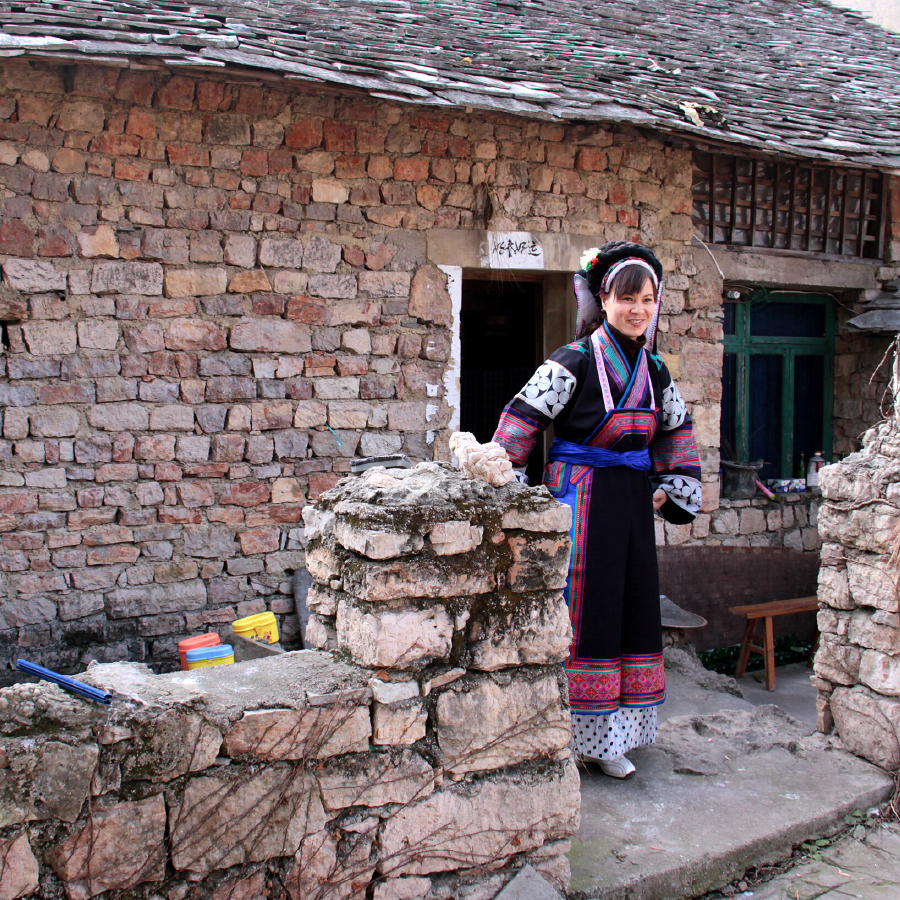
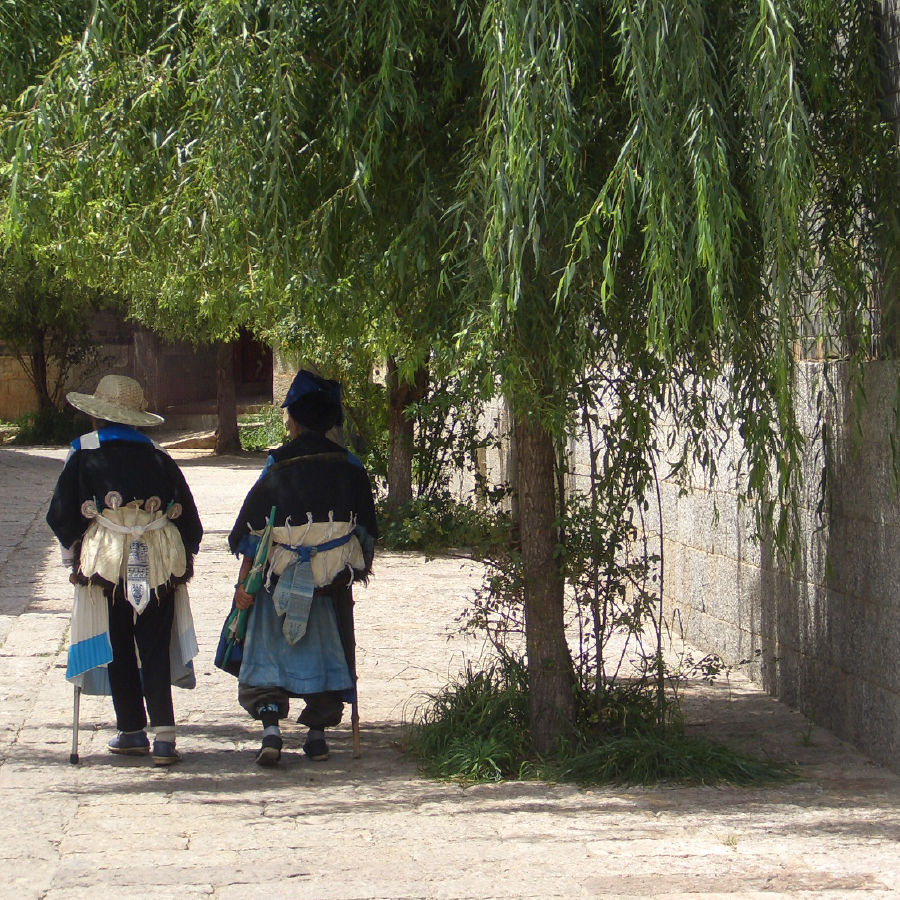
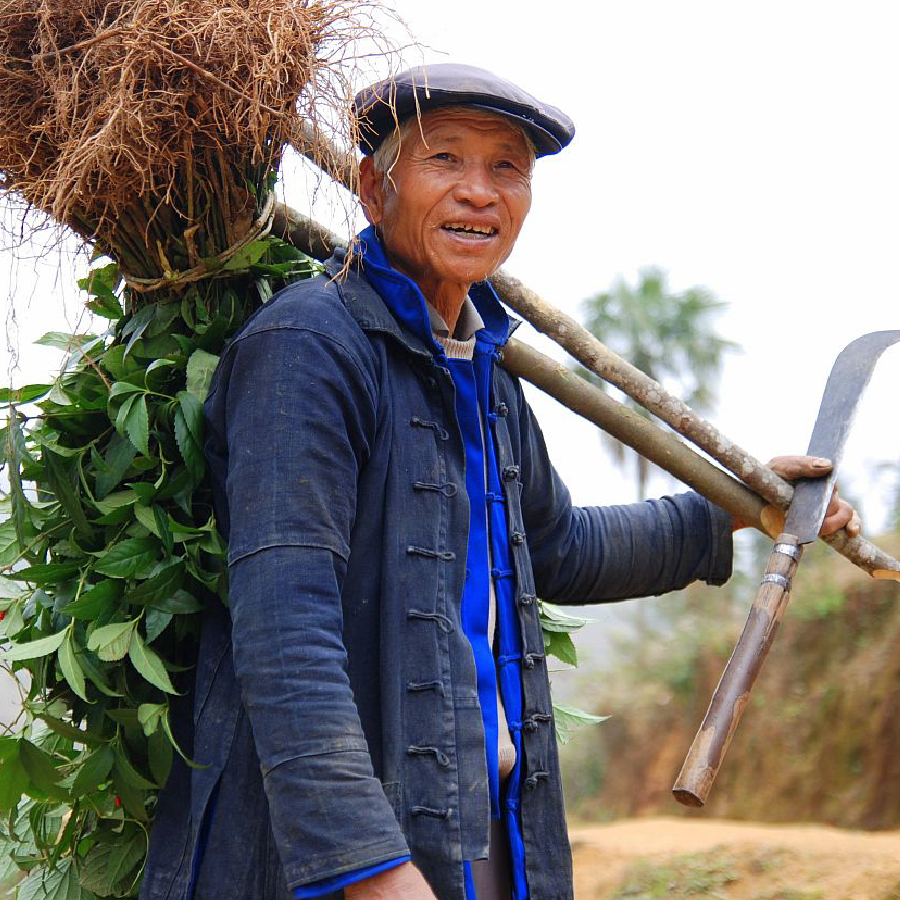
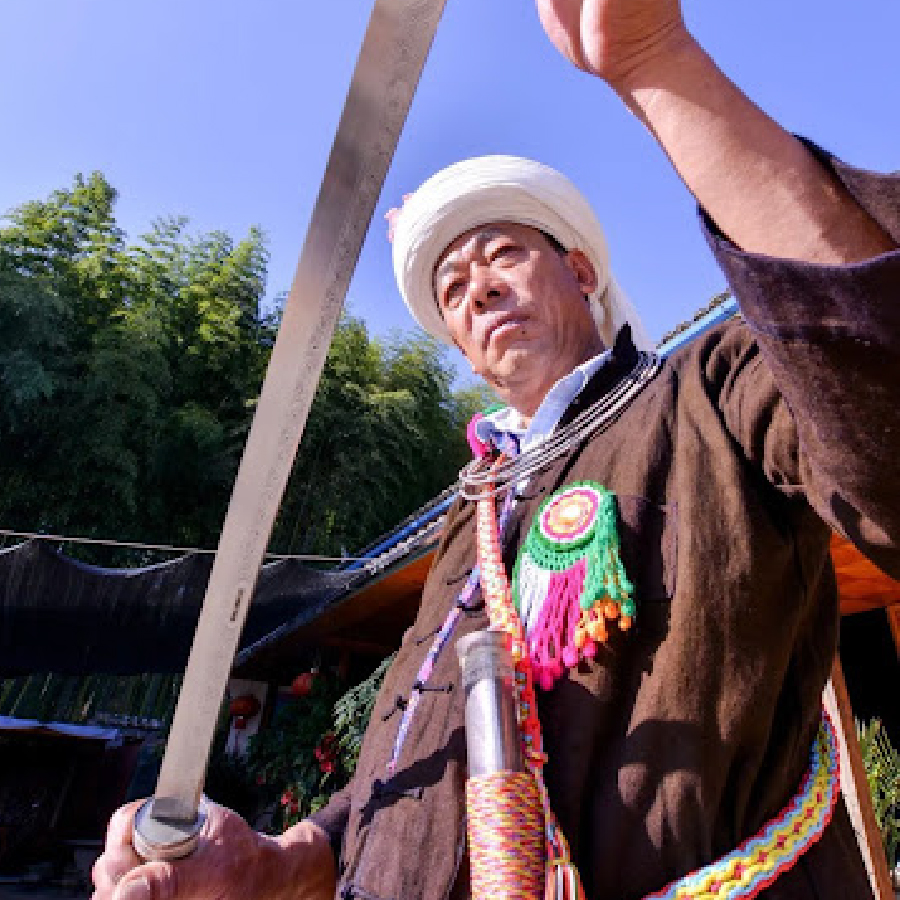
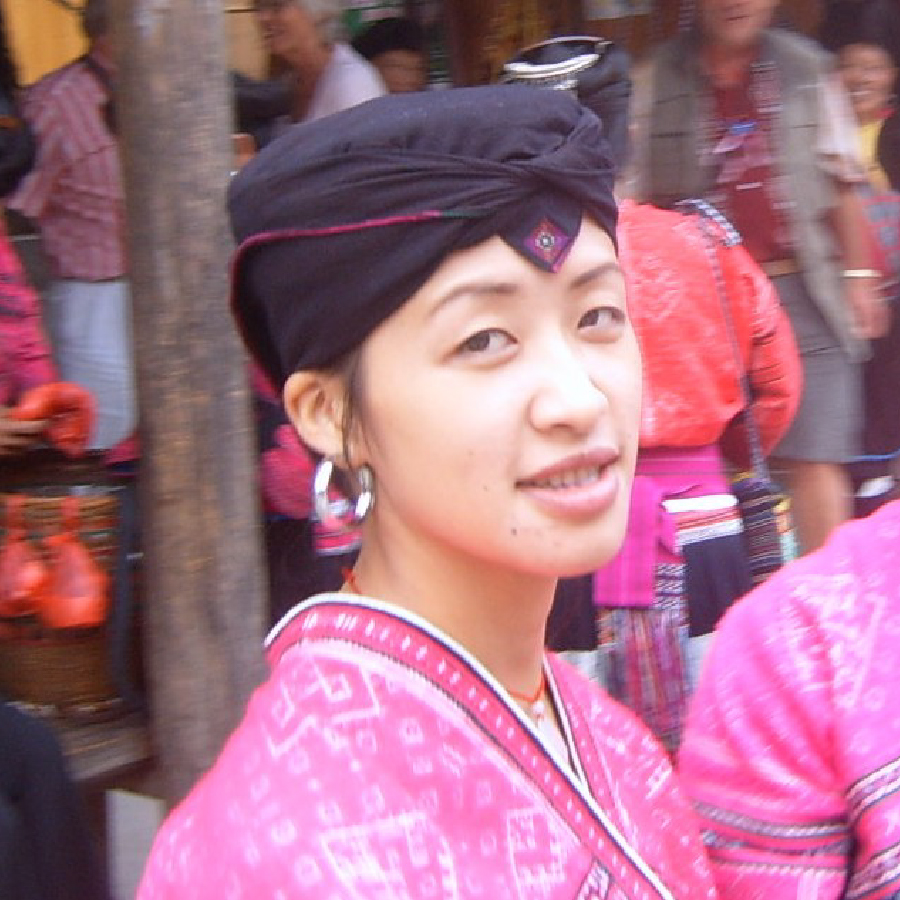
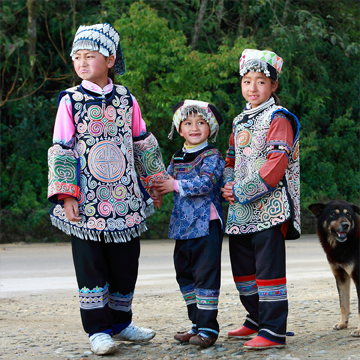
Yi
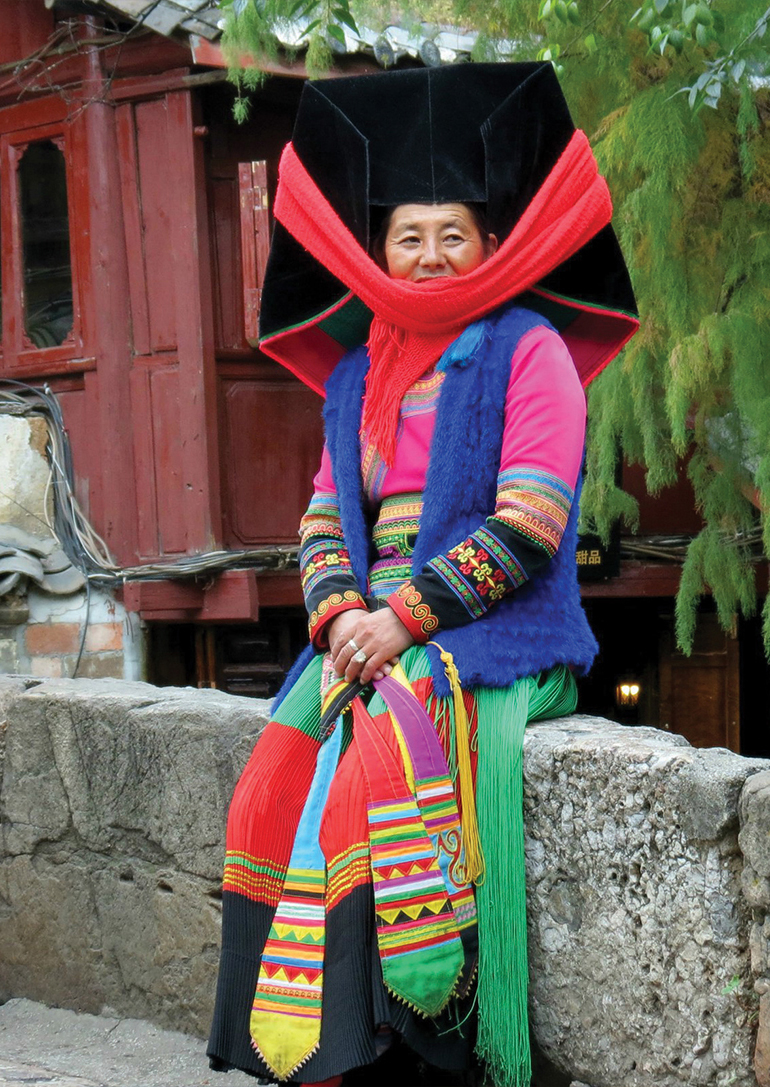
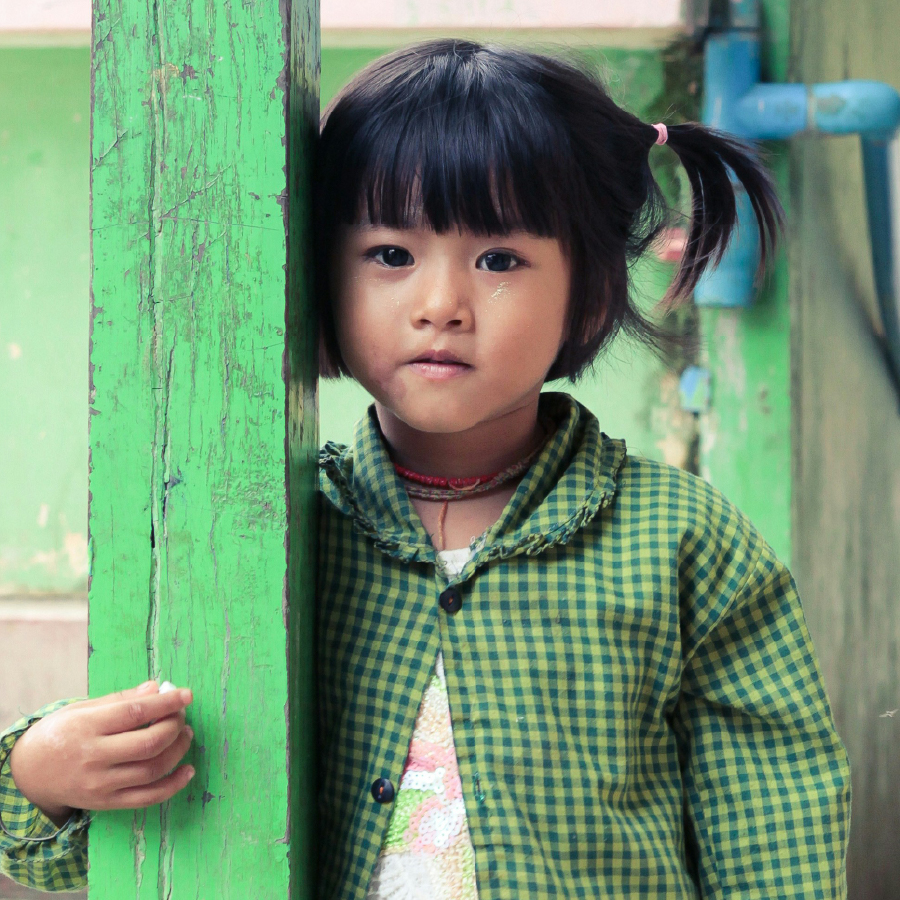
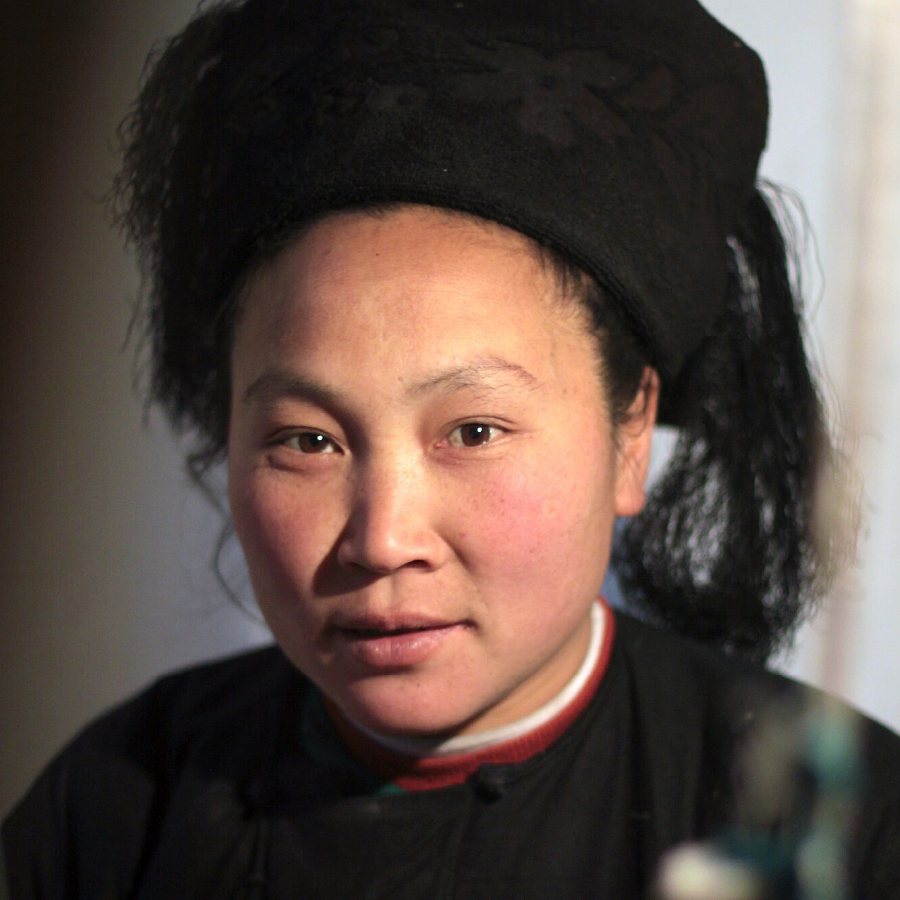
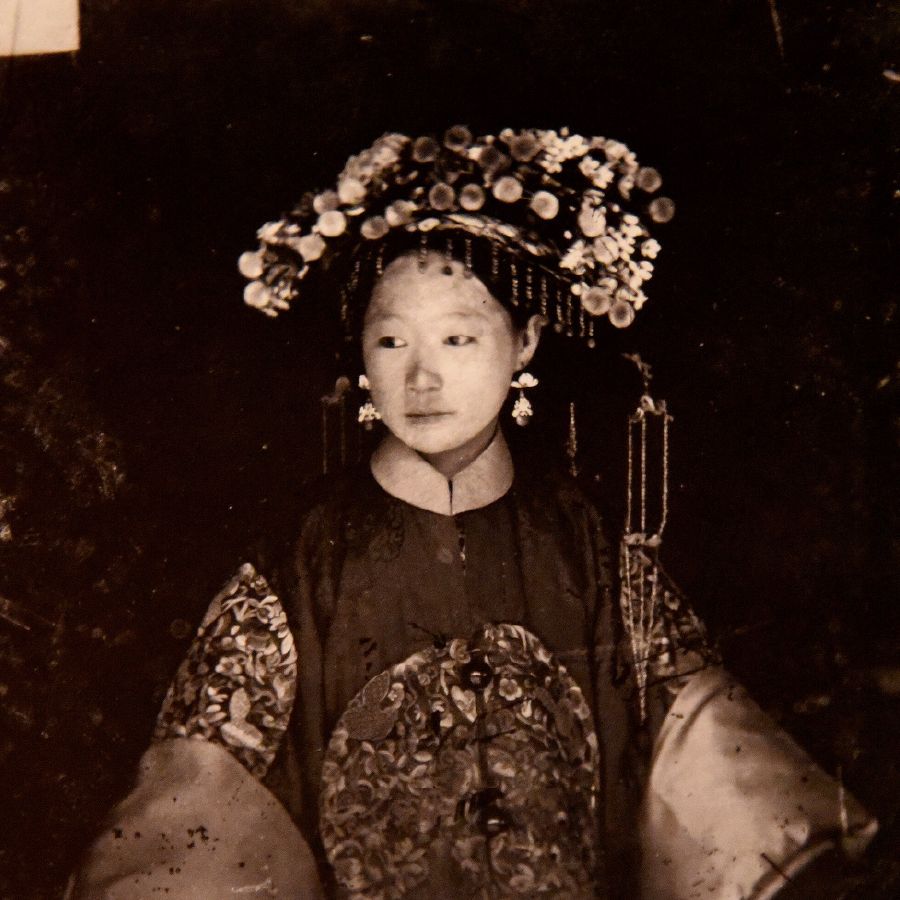
Bai
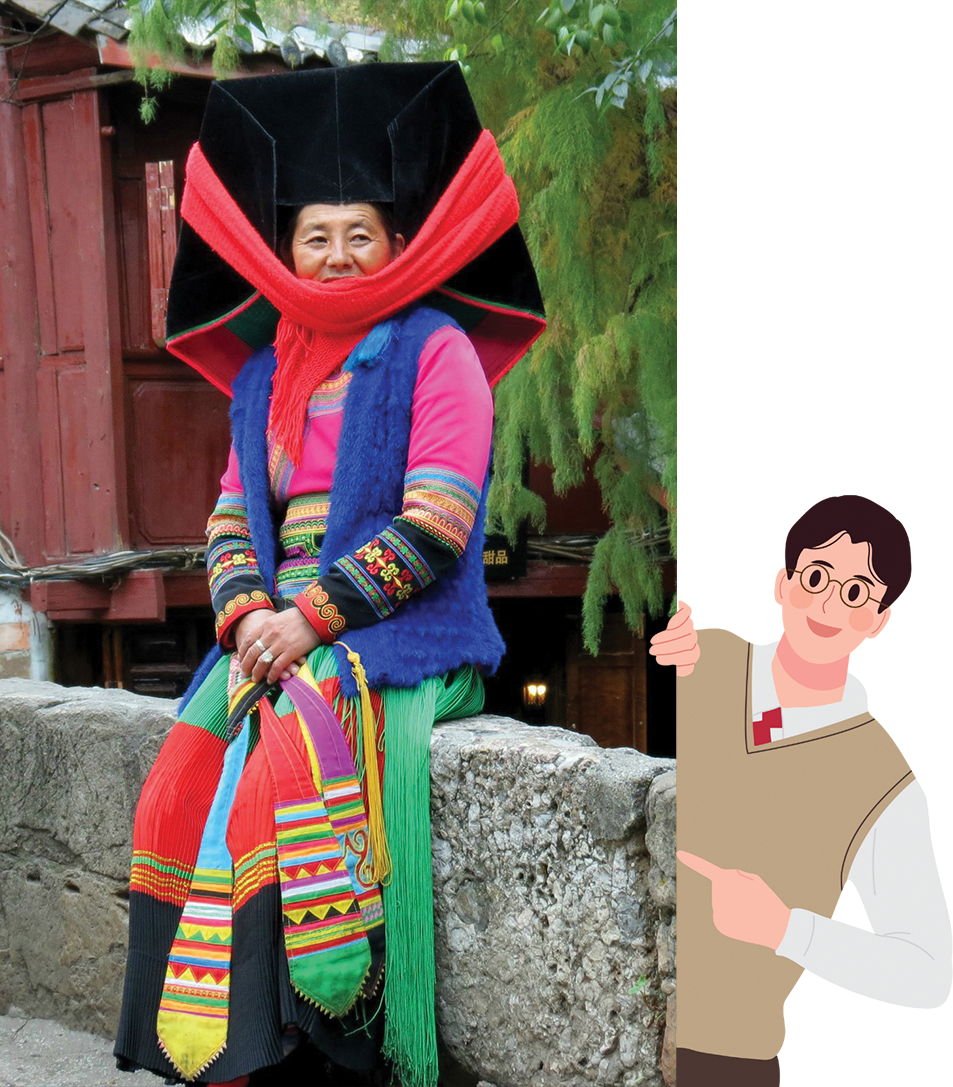
▲ Yi
◄ Bai
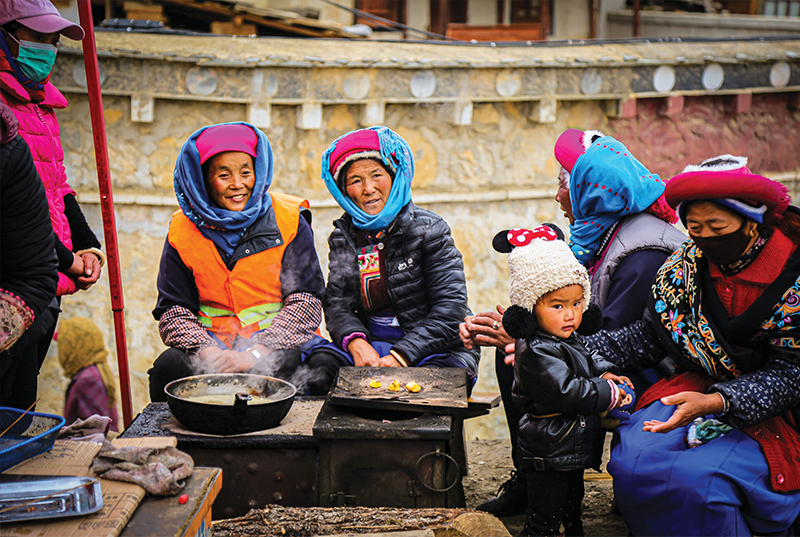
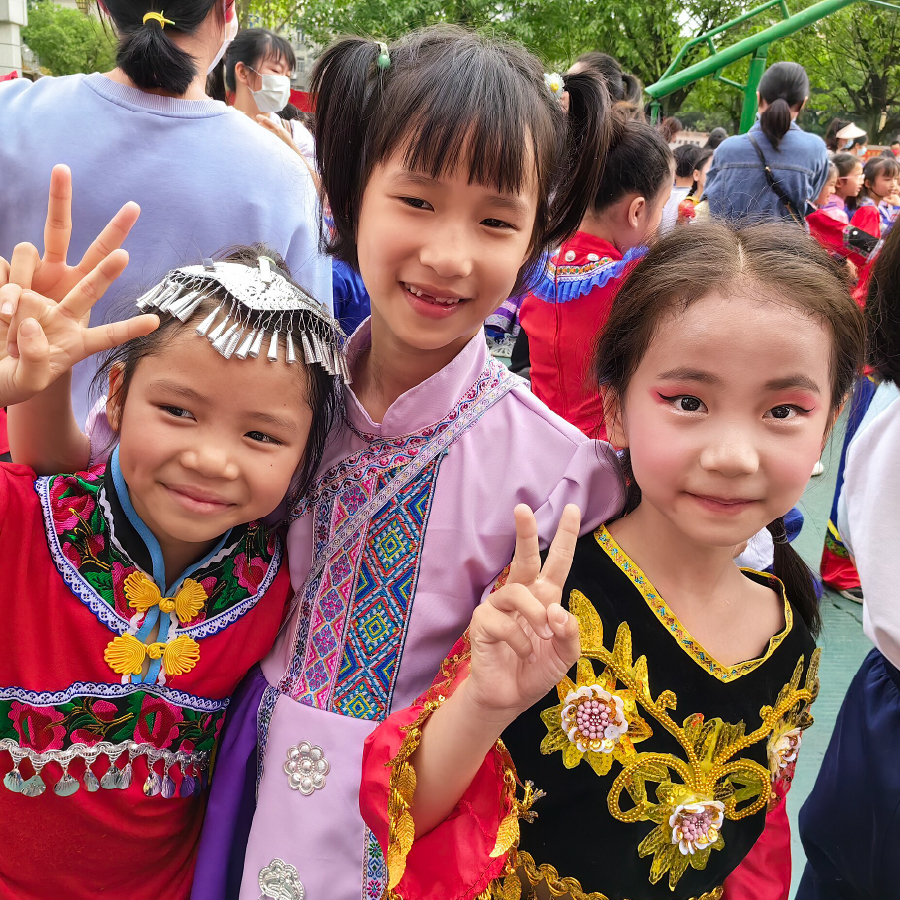
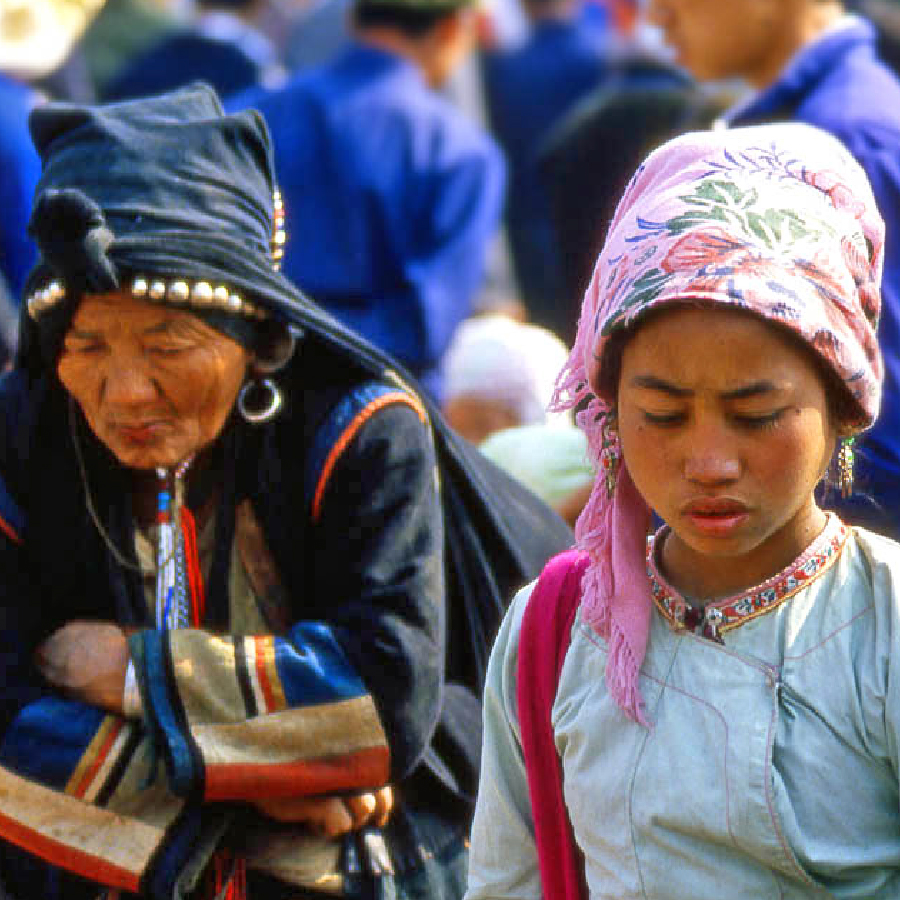
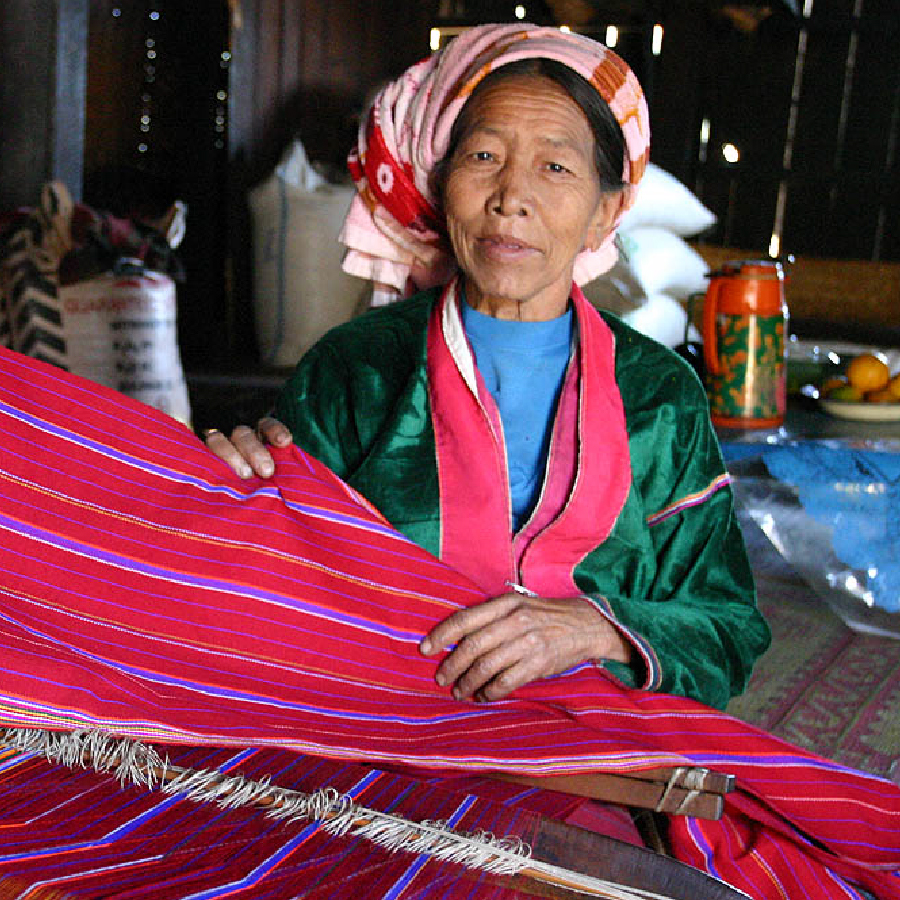
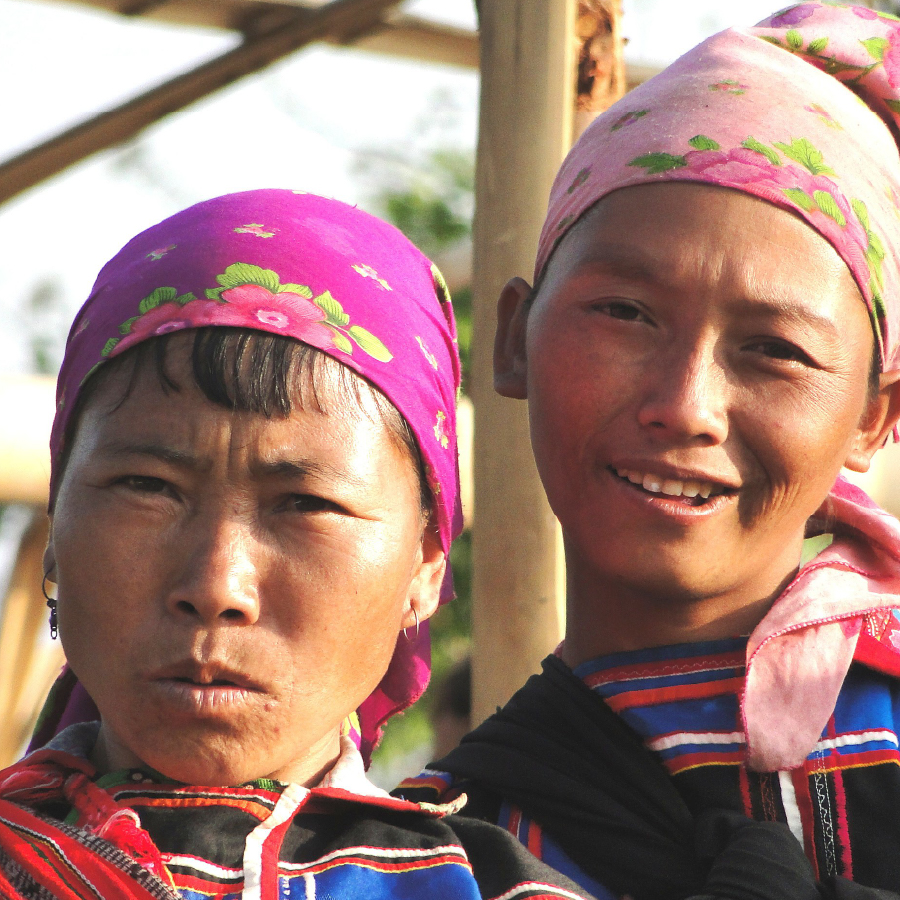
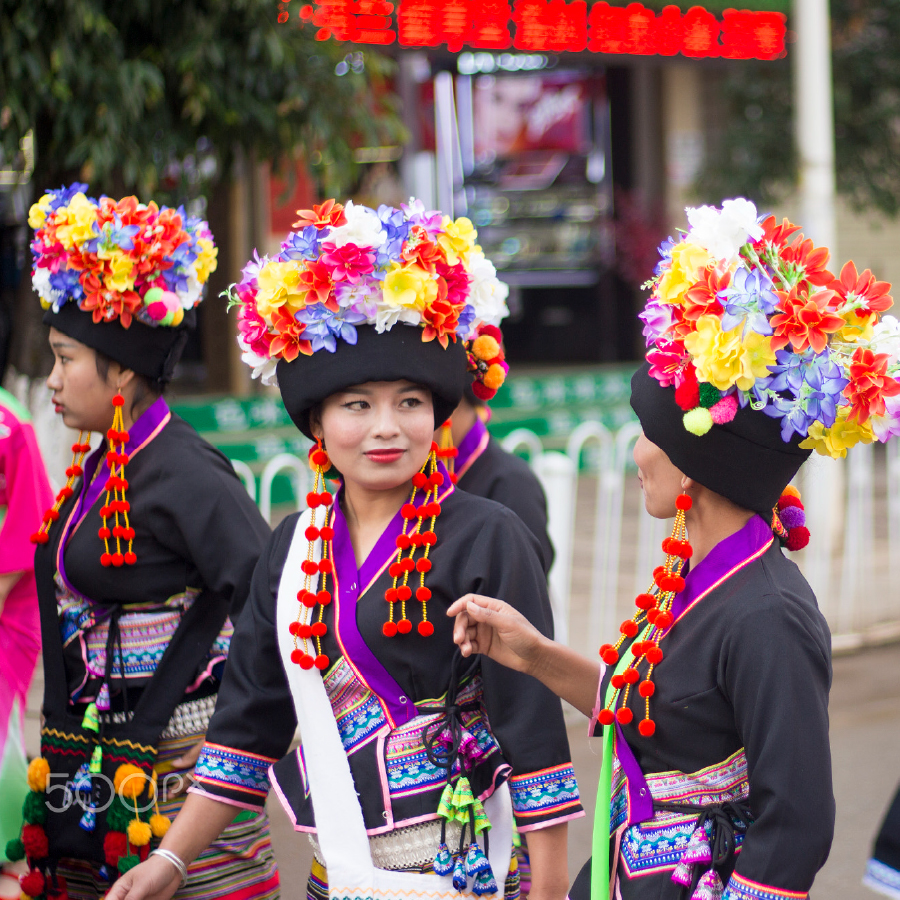
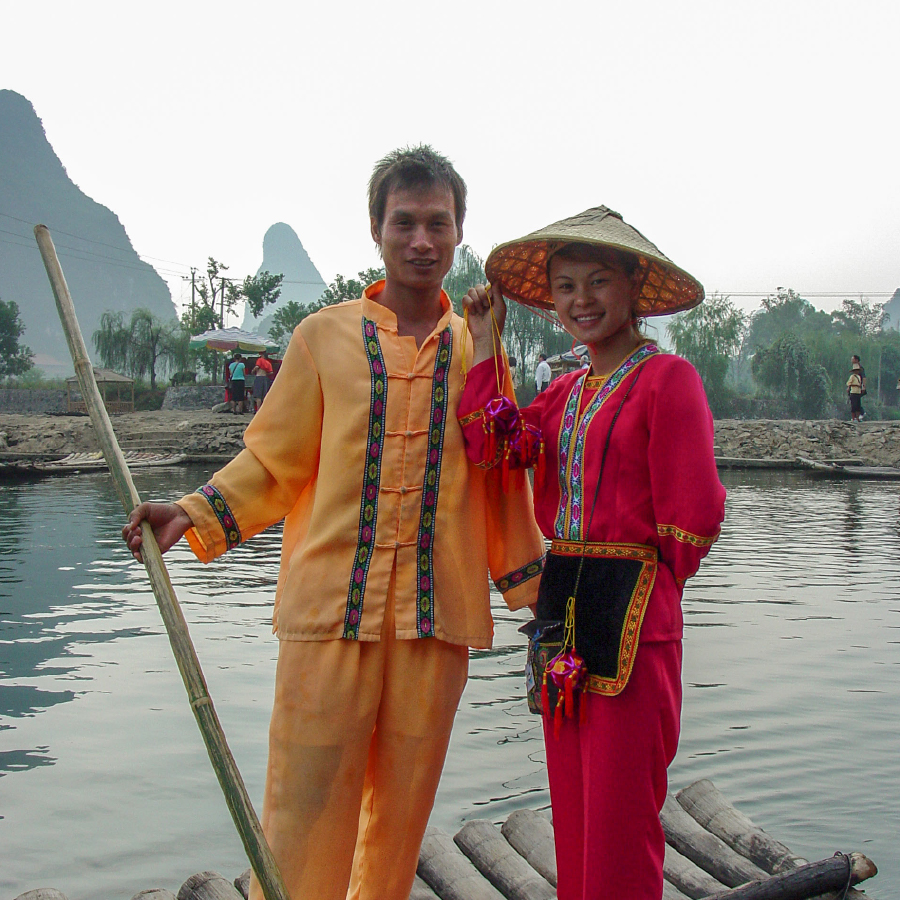
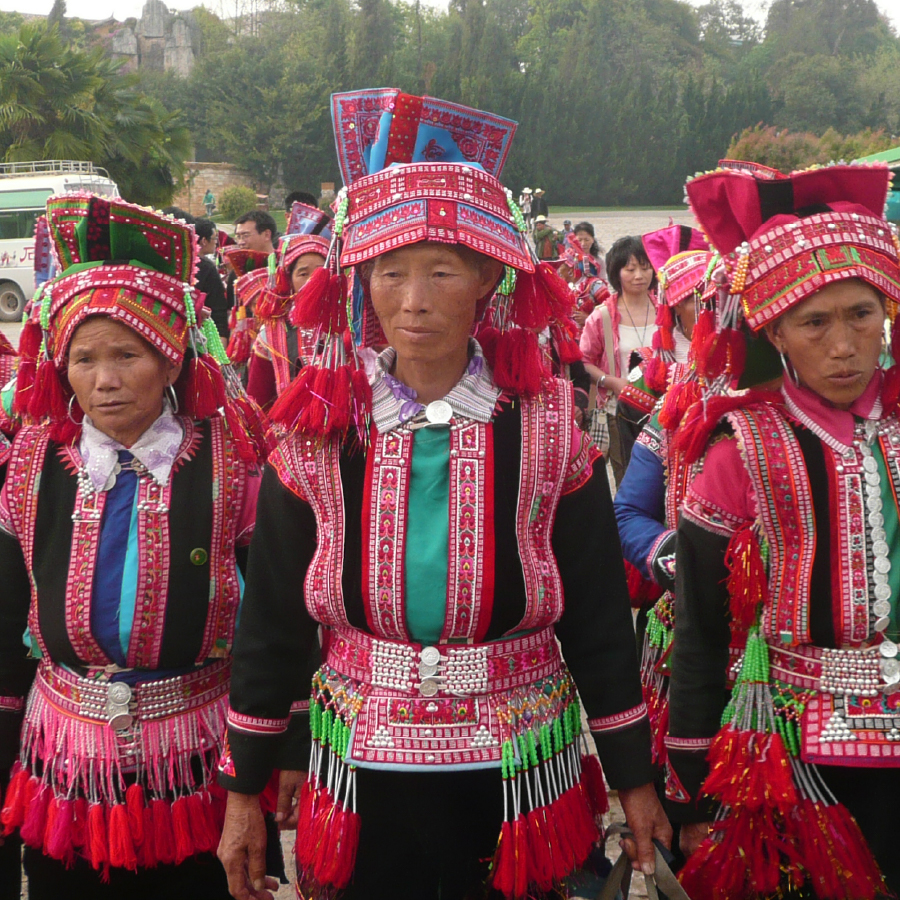
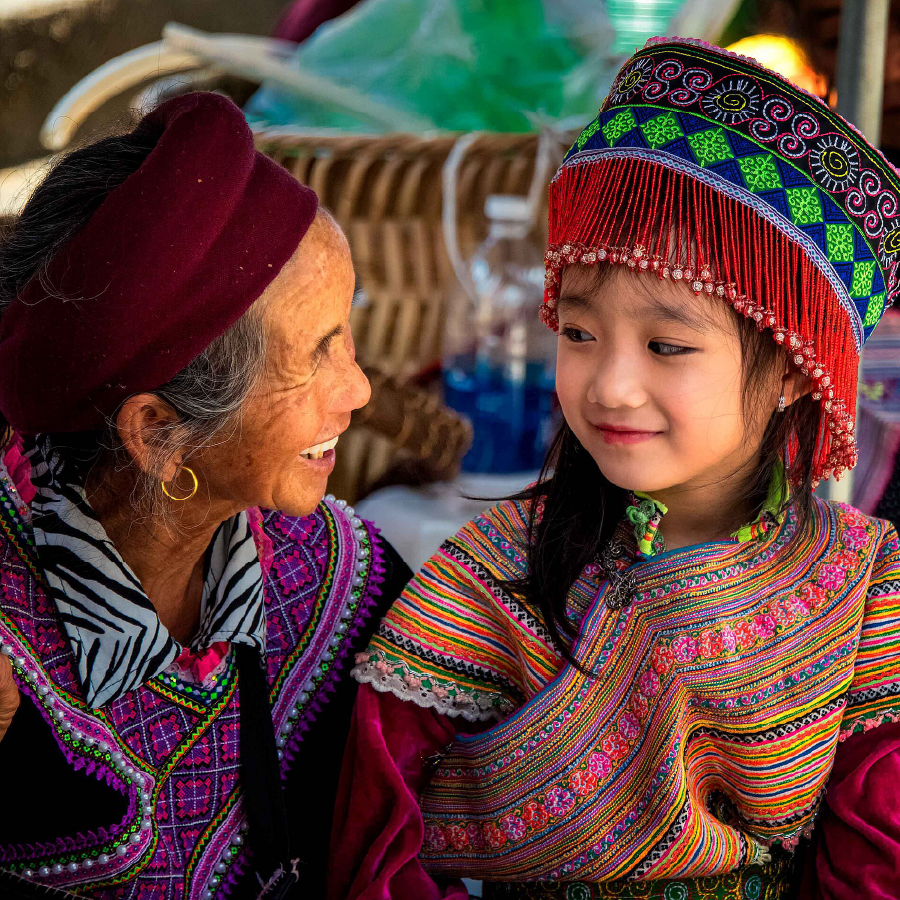
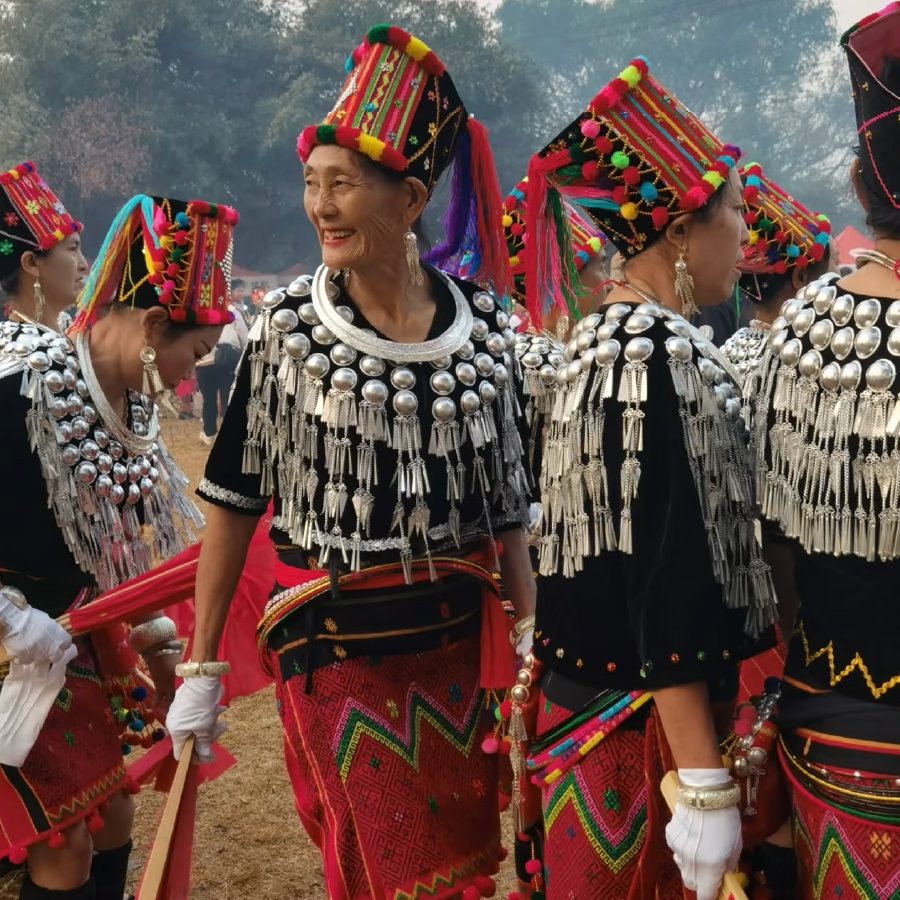
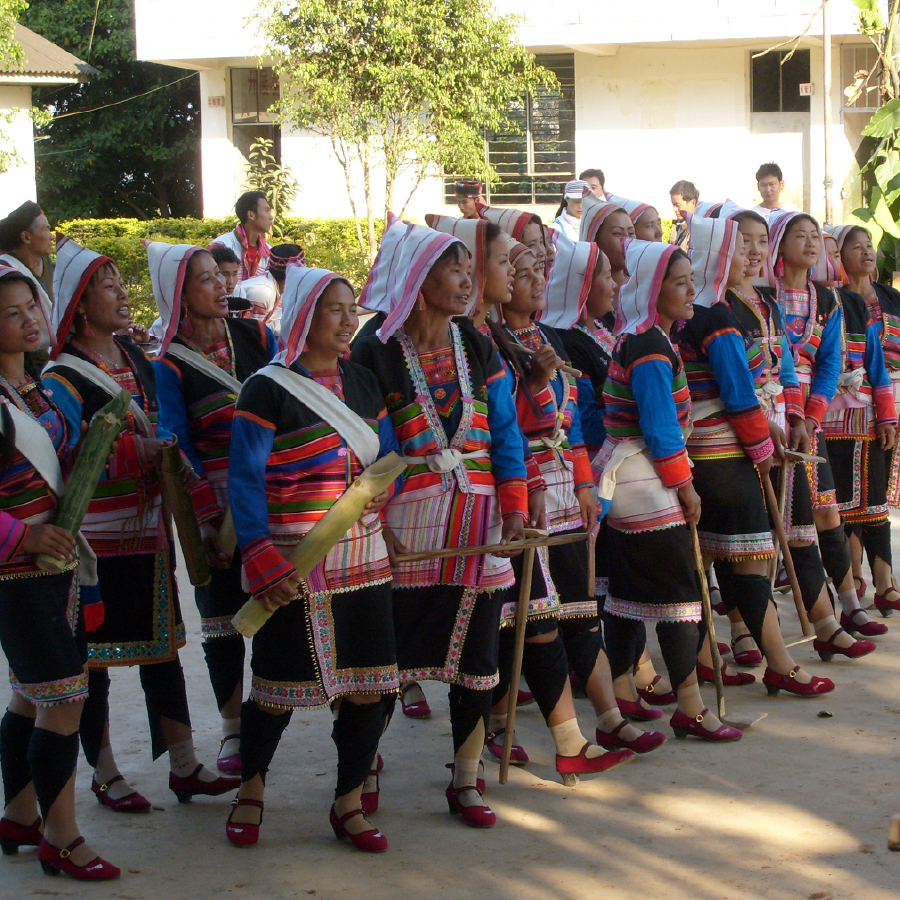
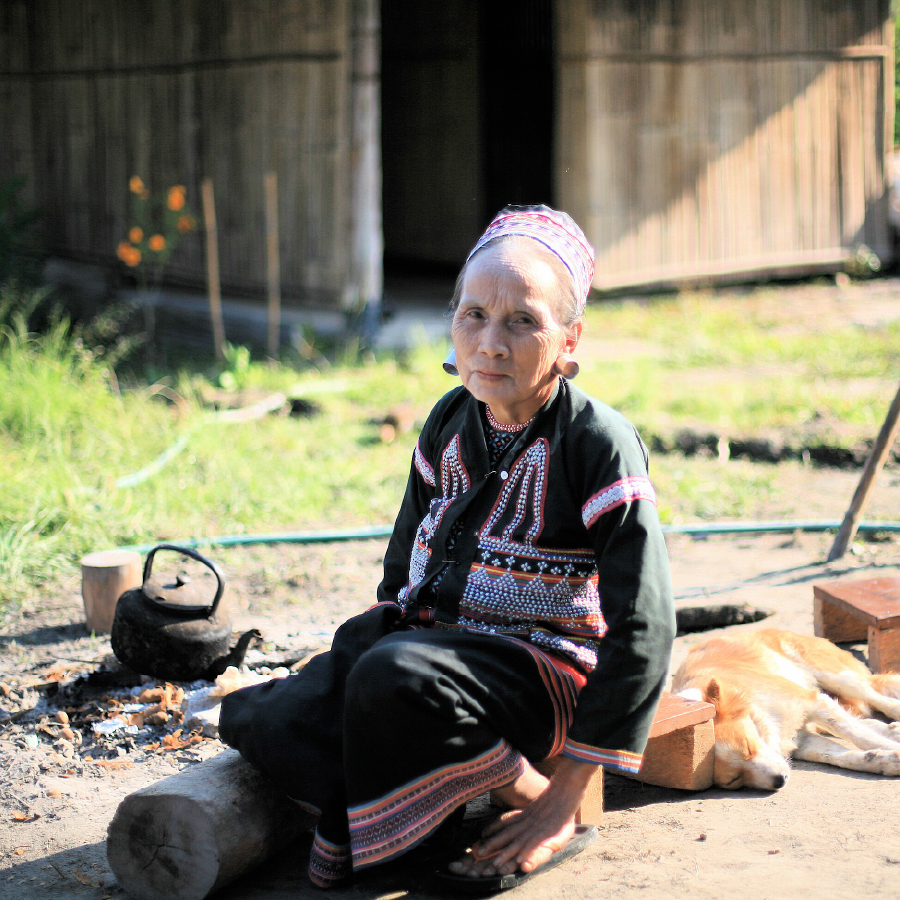
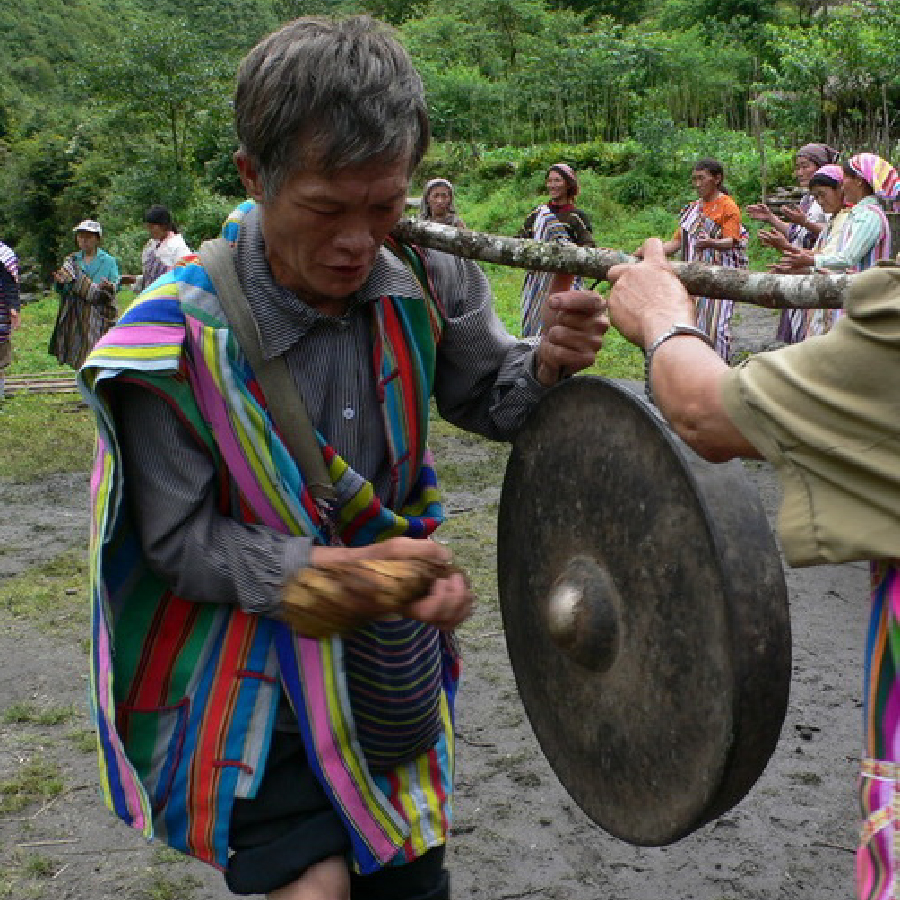
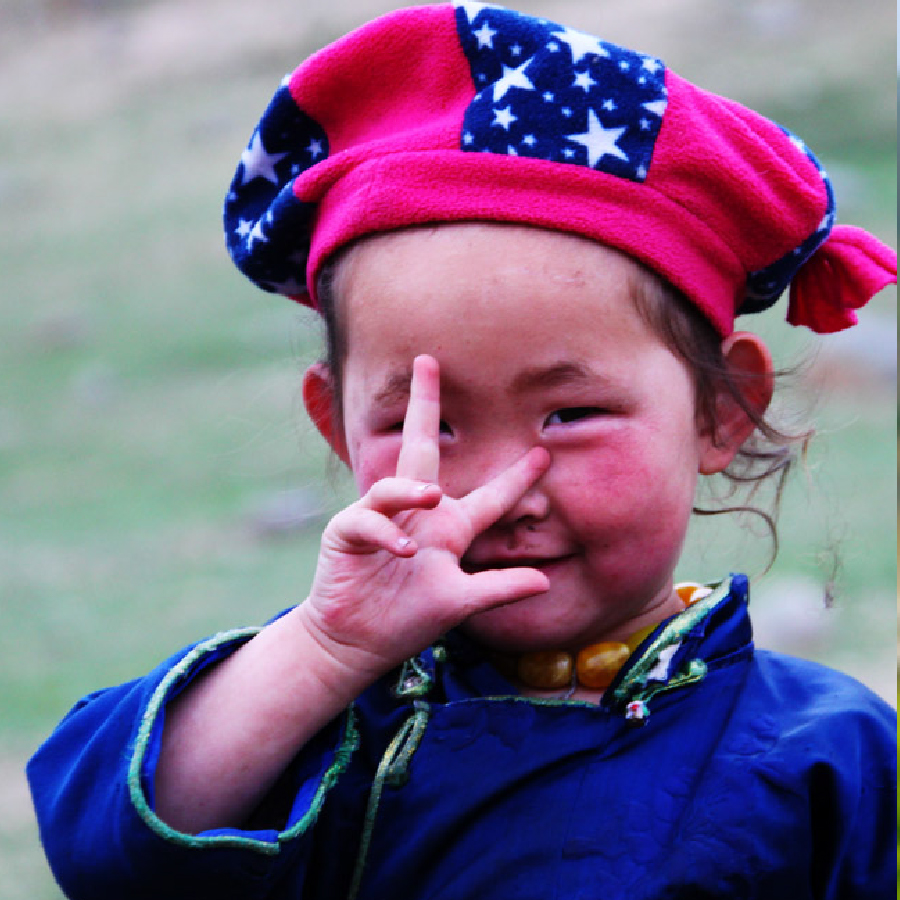
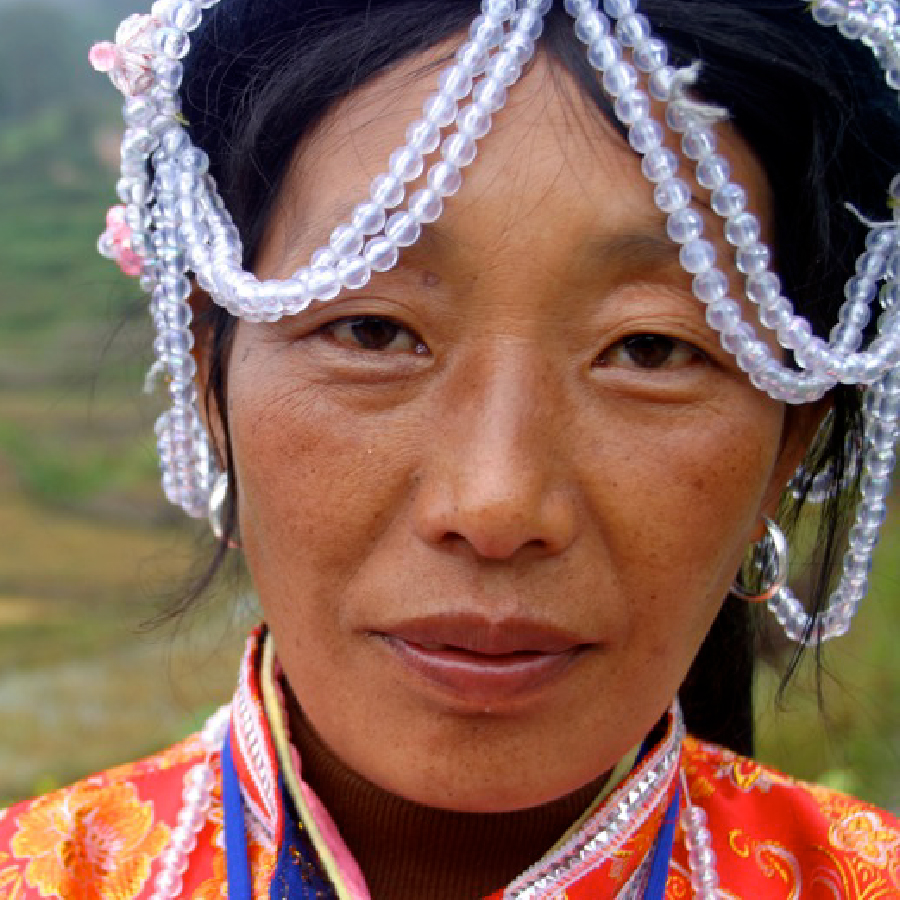
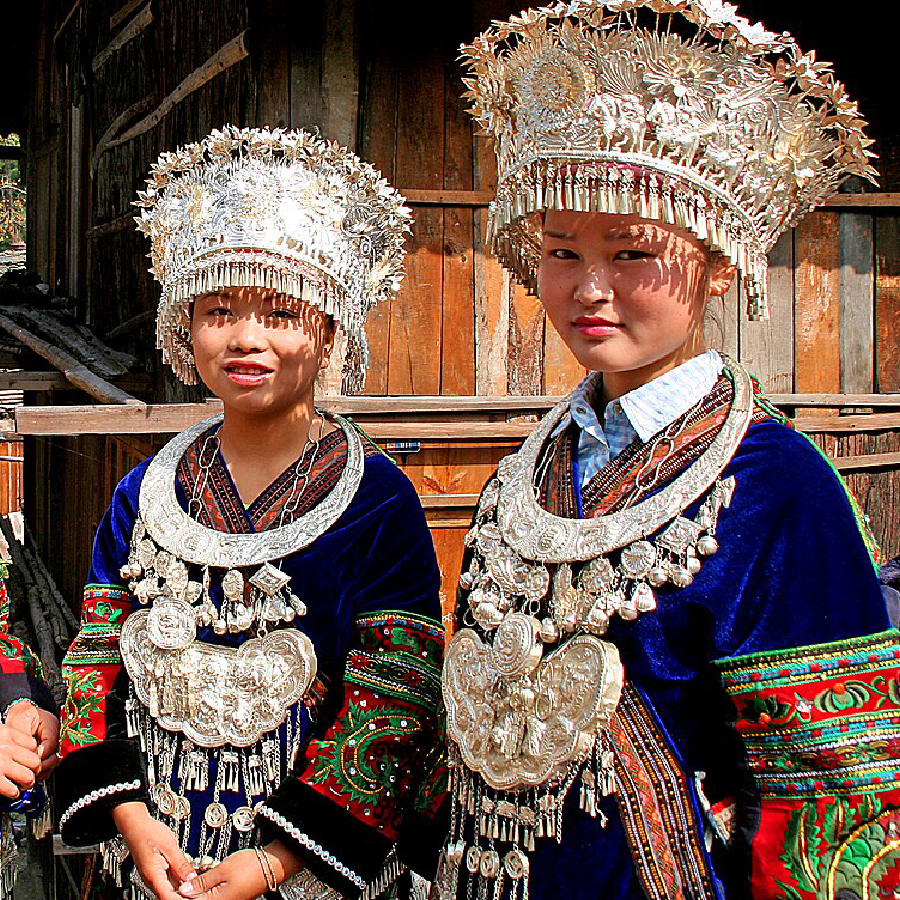
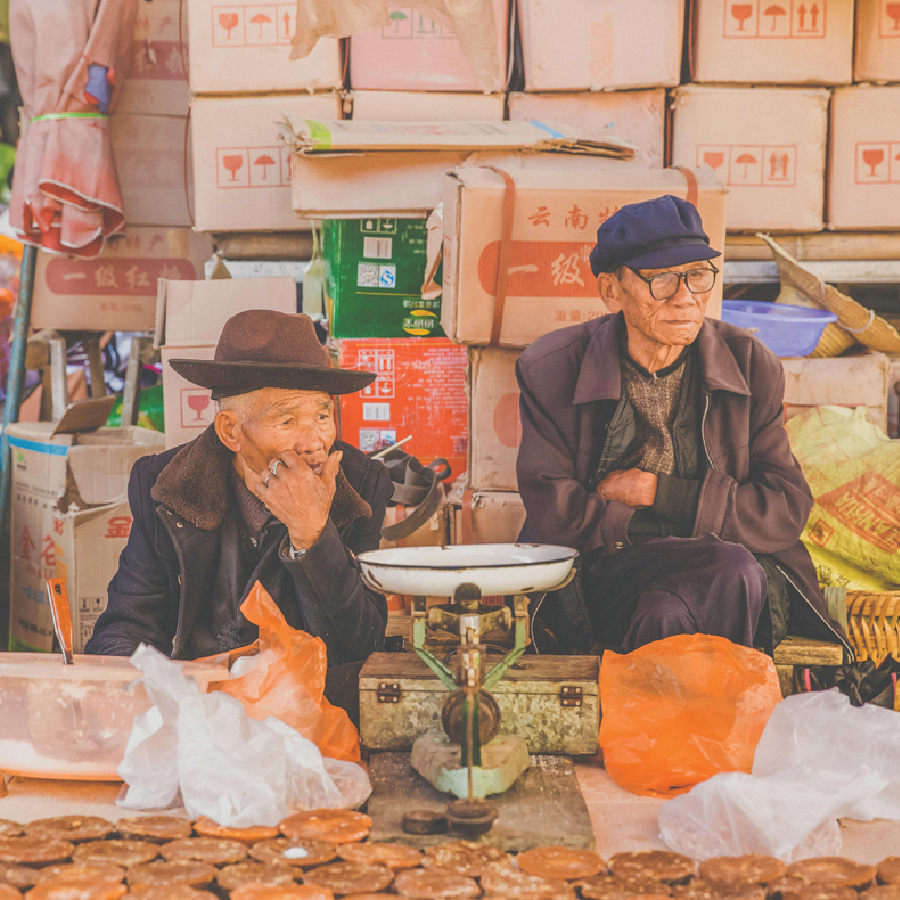
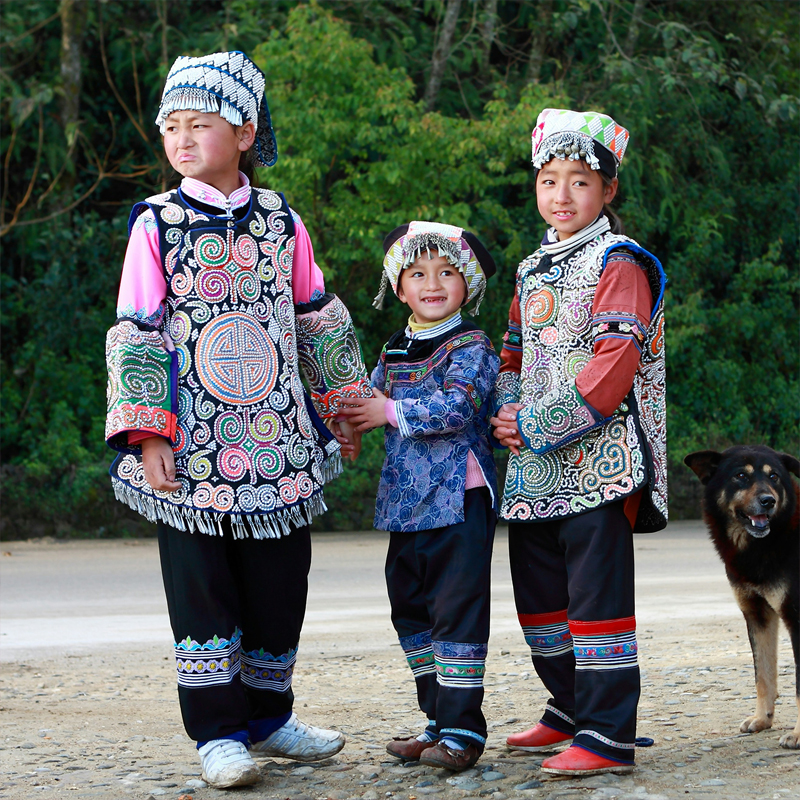
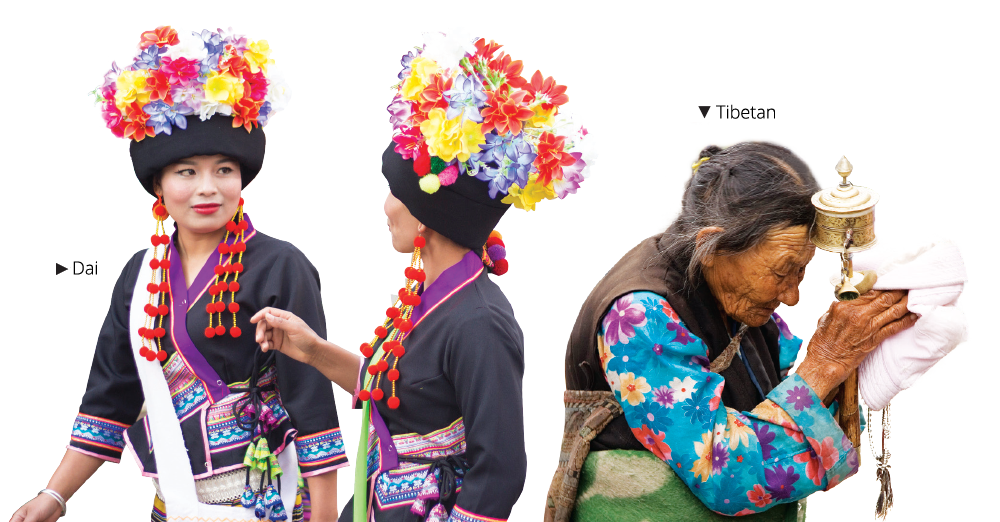
Yunnan is often called China's living museum of ethnic minorities — and for good reason. Of China's 56 recognized ethnic groups, 25 have made Yunnan their ancestral home, a concentration unmatched anywhere else in the country. Among the most prominent are the Yi, Bai, Dai, Hani, Naxi, Hui, Jingpo, and Tibetan peoples, making Yunnan a remarkably rich field for the study of anthropology, linguistics, and religious diversity.
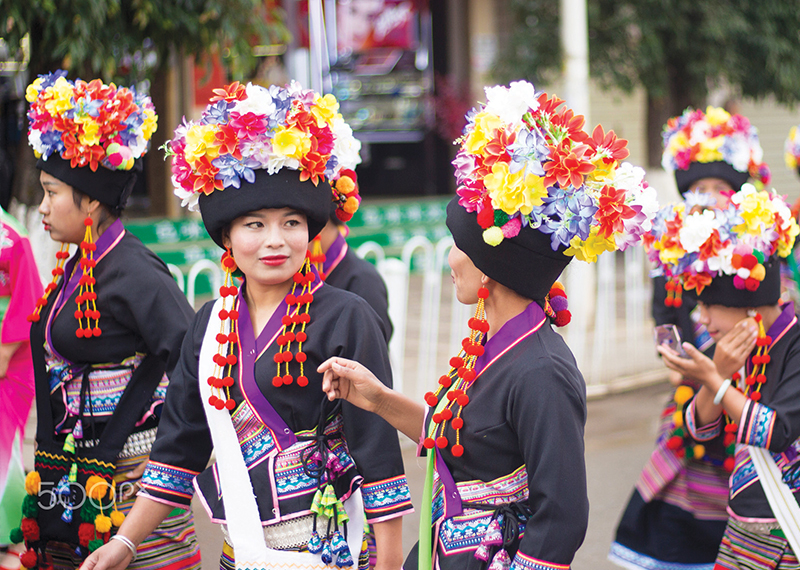
Dai
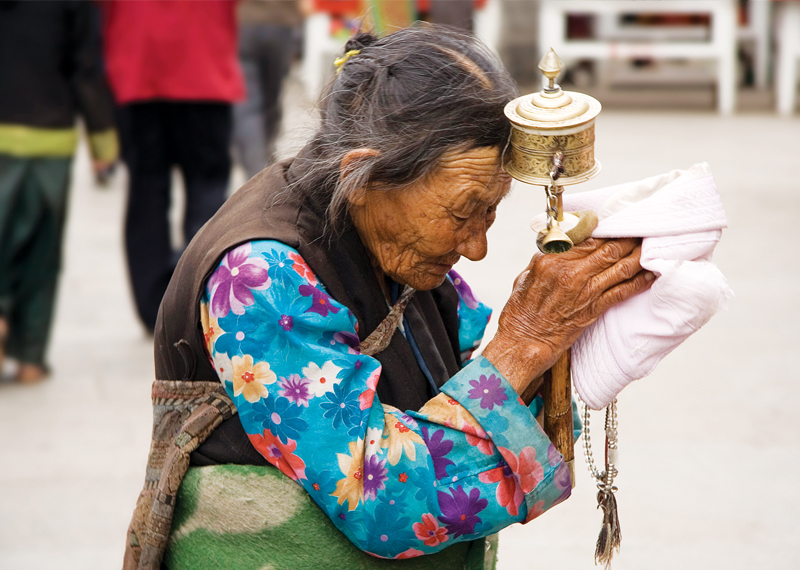
Tibetan
Where Borders Blur
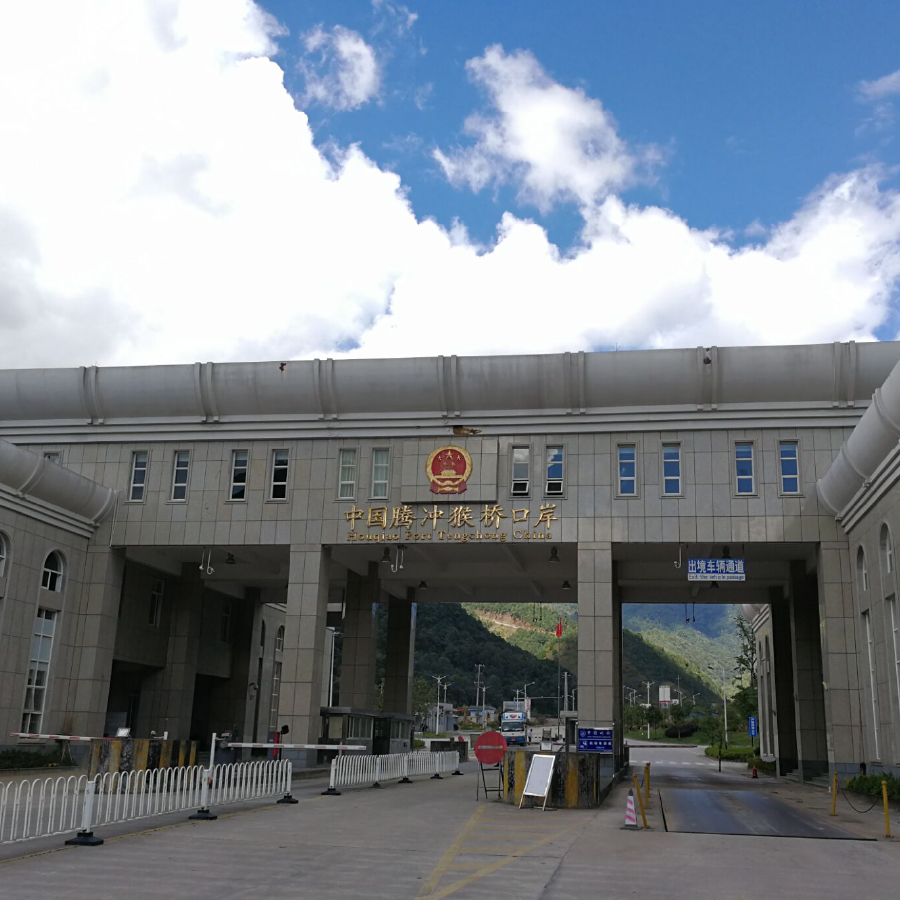
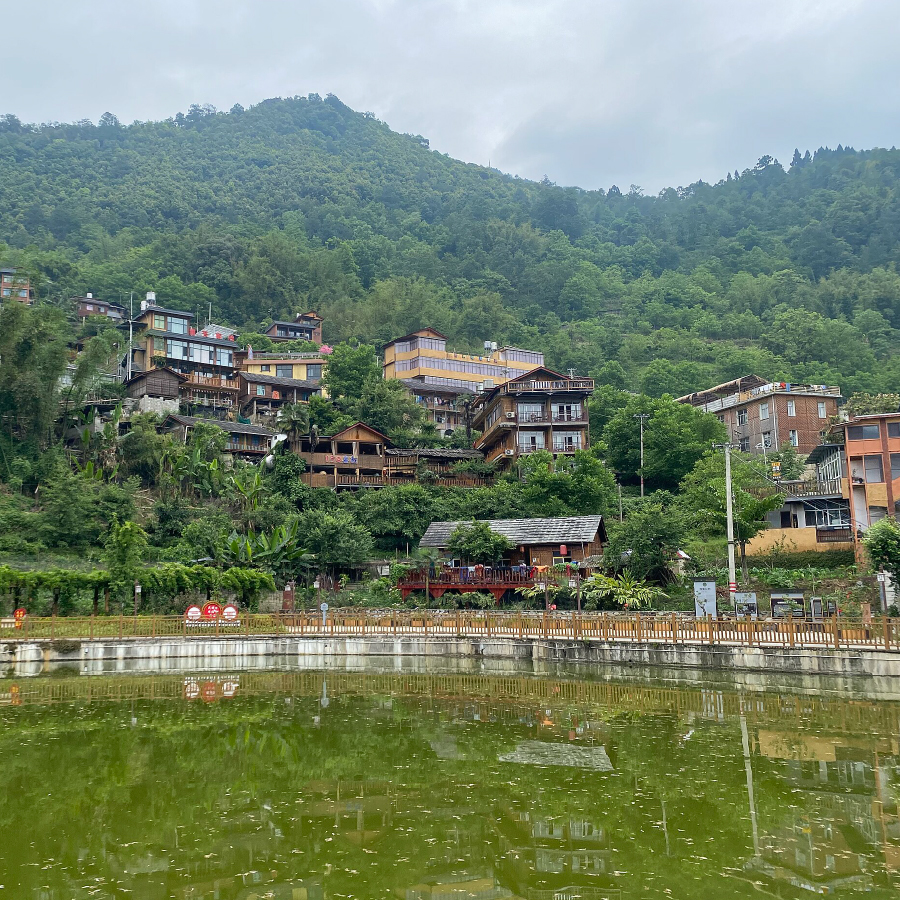
Yunnan, which borders Myanmar, Laos, and Vietnam, carries a distinctly transregional character. Its location gives rise to a unique borderland texture in its culture, economy, and ethnic composition.
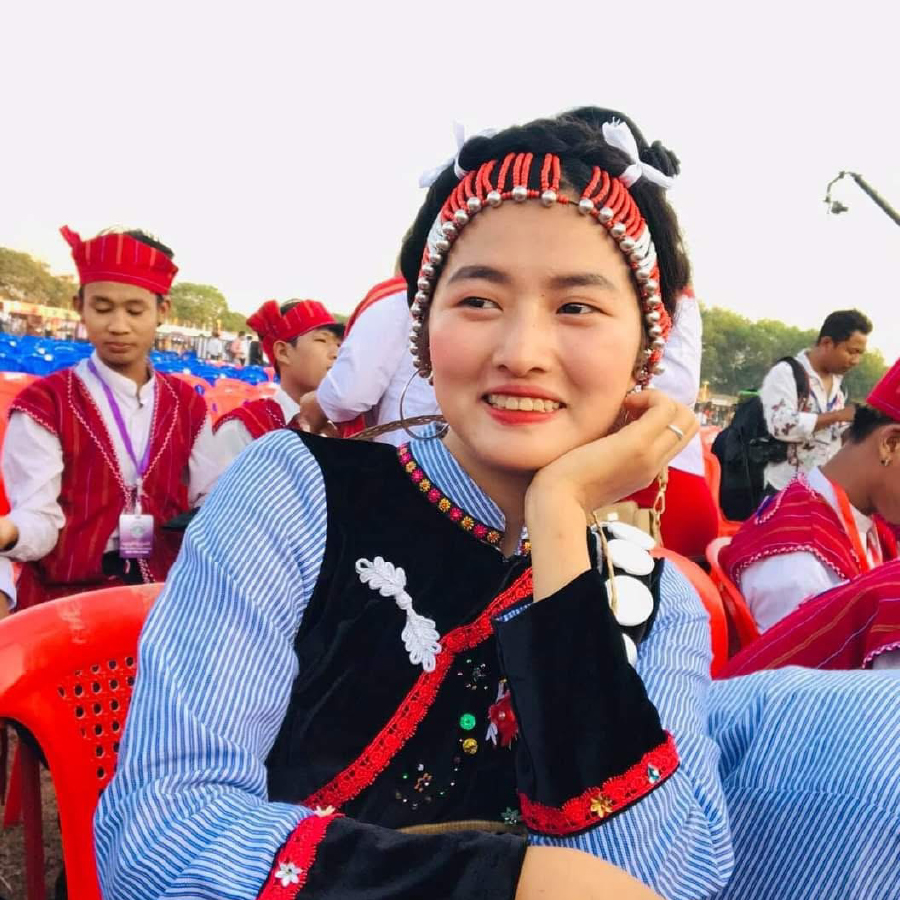
Many of Yunnan's 25 ethnic minorities extend well beyond China's borders, with significant populations living across Southeast Asia:
| Thailand, Laos | |
| Kachin people of Myanmar | |
| Vietnam, Laos | |
| Vietnam, Laos, Thailand |

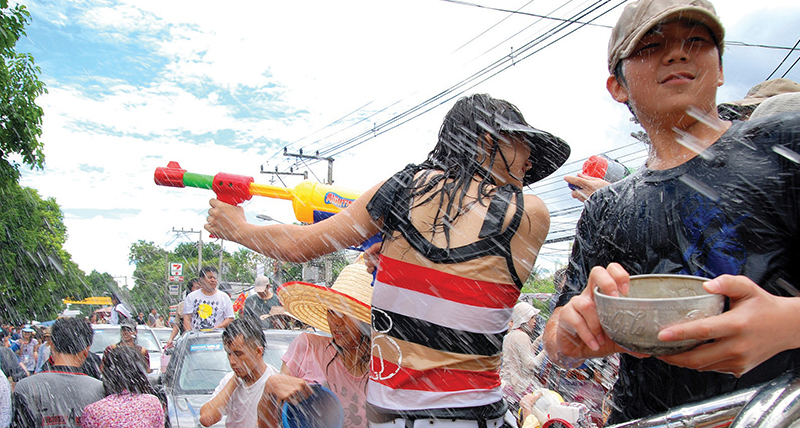
Water Splashing Festival
These groups have largely preserved their own languages, dress, and religious traditions, remaining far less assimilated into Han Chinese culture than their counterparts in China's interior. Intermarriage, seasonal movement, and shared celebrations knit communities across national lines. The Dai Water Splashing Festival, for instance, is observed simultaneously in Yunnan, Thailand, and Laos.
Life Across the Line
Residents from Myanmar, Vietnam, and Laos cross daily into China to trade, pick up odd jobs, visit relatives, seek medical care, or attend school. Meanwhile, Yunnanese cross the other way. Most buy and sell jade, timber, and agricultural goods, or run guesthouses and small factories in Myanmar and Laos. For the people who live here, the national boundary is less a hard line than an invisible, shifting threshold they have always moved through freely.