Kashmir

An Undeliverable Postcard

AUG1-31

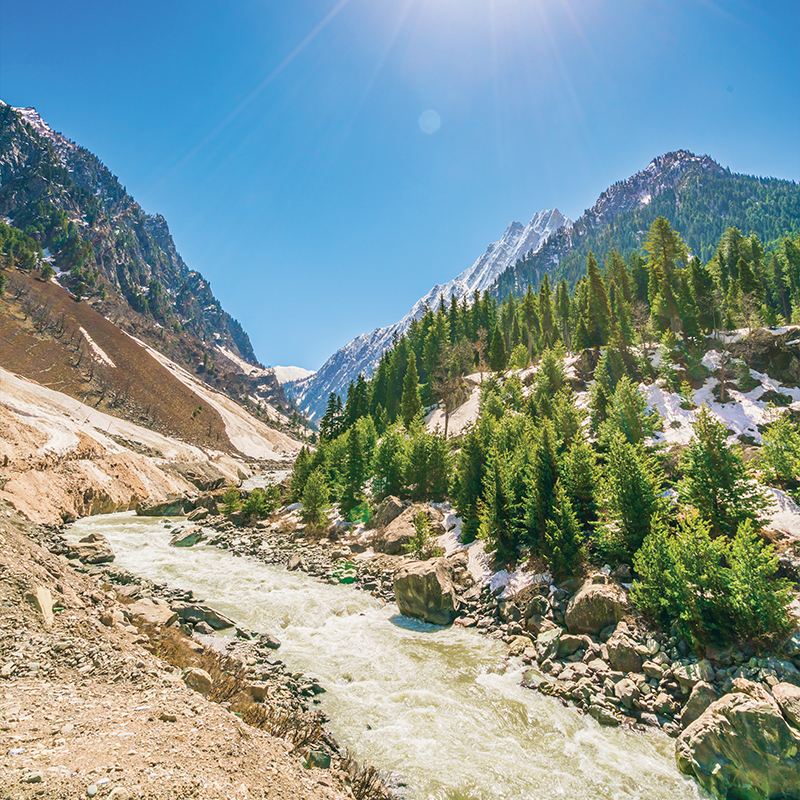
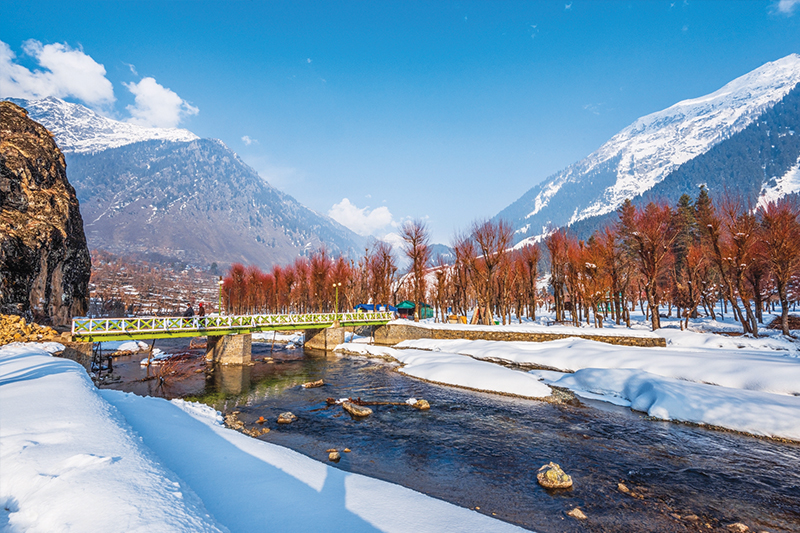
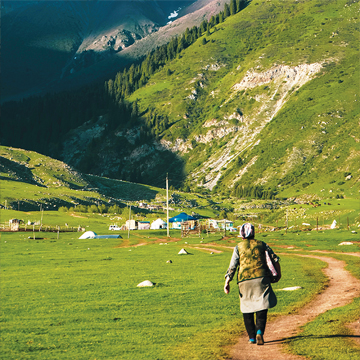
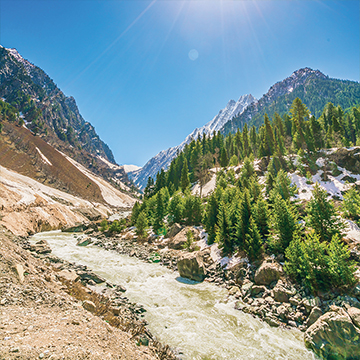
Snow-capped peaks and crystalline lakes of almost unbearable beauty.
Soldiers, checkpoints, and barbed wire that make the air feel heavy.
Paradise and battlefield—held within the same landscape.
This is one of the world’s most beautiful, and most unsettled, corners.


POSTCARD
FROM
KASHMIR

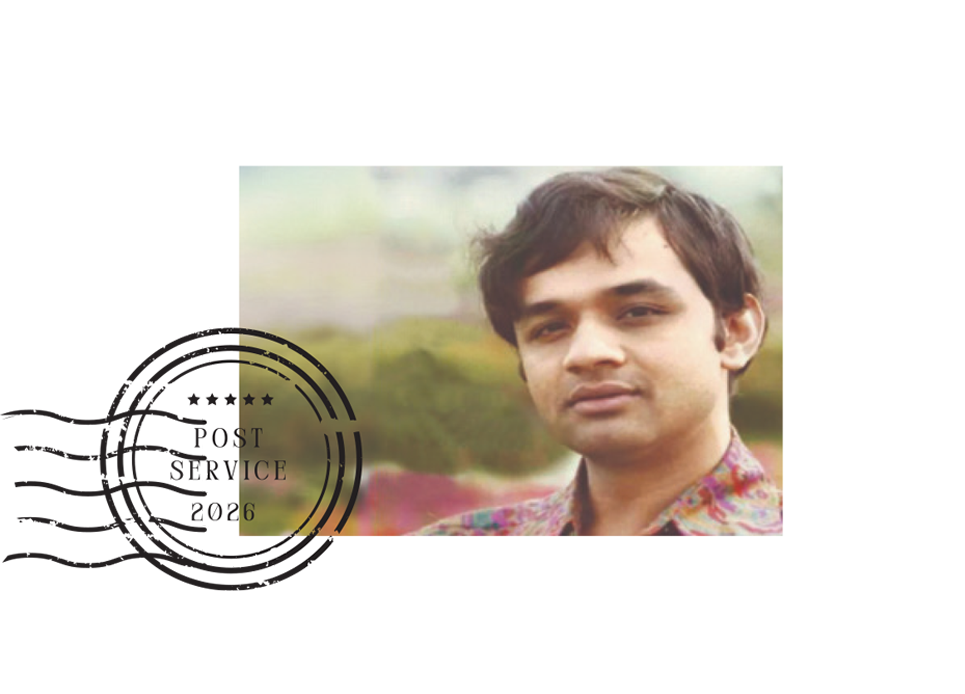
—Agha Shahid Ali, “Postcard from Kashmir,”
from The Half-Inch Himalayas (1987)

Kashmir shrinks into my mailbox,
my home a neat four by six inches.

I always loved neatness. Now I hold
the half-inch Himalayas in my hand.

This is home.
And this the closest
I'll ever be to home. When I return,
the colors won't be so brilliant,
the Jhelum's waters so clean,
so ultramarine. My love
so overexposed.

And my memory will be a little
out of focus, in it
a giant negative, black
and white, still undeveloped.

Source: https://www.brinkerhoffpoetry.org/poems/postcard-from-kashmir
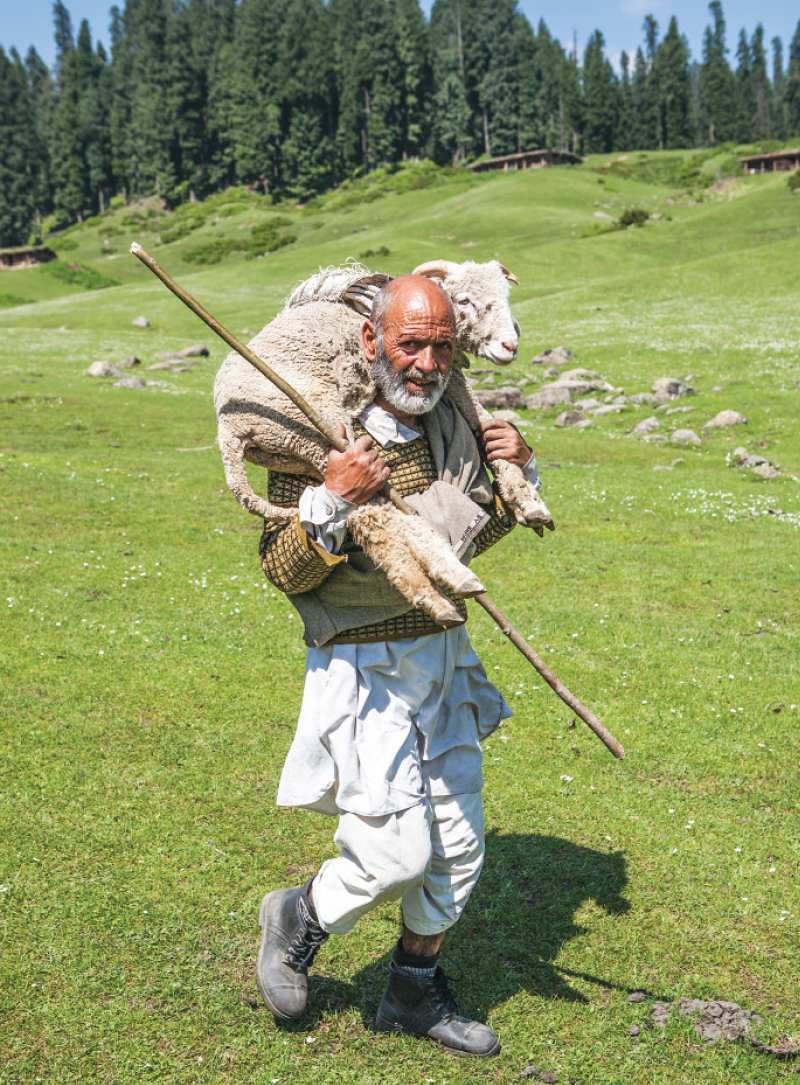

Agha Shahid Ali was a Kashmiri American poet of Indian origin. He went to the United States for graduate study in his twenties, but after the situation in Kashmir deteriorated in 1989, he was forced to remain in the United States. From then on, he became stranger in a foreign land. During this period, he wrote many poems about self-exile, longing for his homeland, and the sorrow of homelessness. His work depicts the fear, tension, and social unrest in Kashmir at the time, including unexplained disappearances, imprisonment, and death. In “Postcard from Kashmir,” we see the helplessness of a poet displaced from home, as well as the terrifying situation in Kashmir. Shahid’s lament still resonates today.


KASHMIR
TODAY

A Three-Way Tug-of-War, With No Winner
Kashmir is a disputed region divided among areas controlled by India, Pakistan, and China. Armed clashes and border skirmishes continue to break out from time to time.

A Ghost Border, Contested for Seventy Years
Under British rule, Kashmir’s boundaries with Tibet and Xinjiang were never formally settled. These uncertain borders have kept India, Pakistan, and China locked in dispute for more than seventy years.

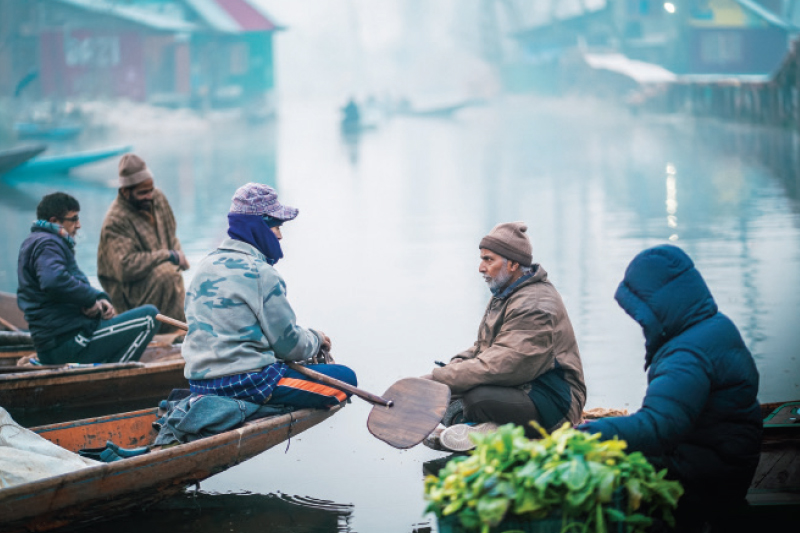
“We Are Kashmiri”
Many Kashmiris do not primarily identify as Indian or Pakistani. They see themselves first as Kashmiri.

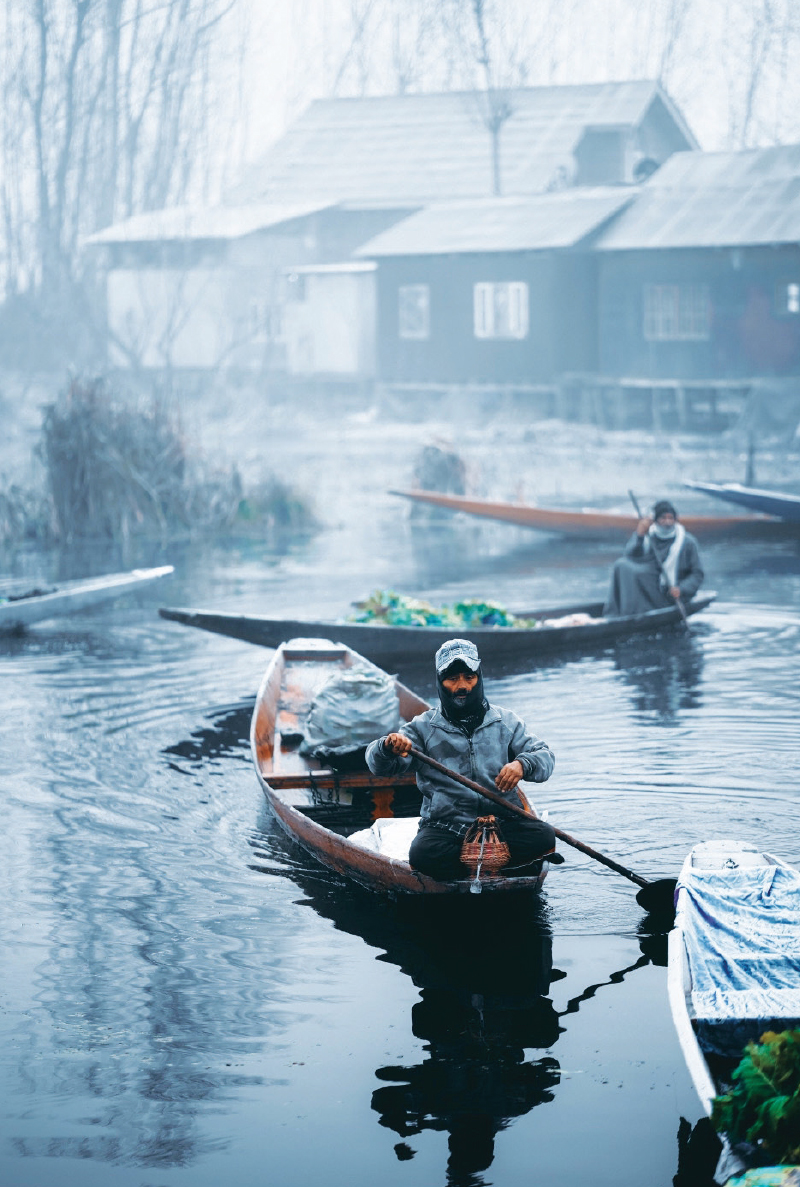
Undeterred Adventure Seekers
Despite the tensions, Kashmir’s striking landscapes and foreign allure continue to attract adventurous travelers.

A Human Development Index Higher Than You Might Expect
Among India’s states and territories, Kashmir performs relatively well on human development indicators, while its per capita income falls in the middle range.
KASHMIR
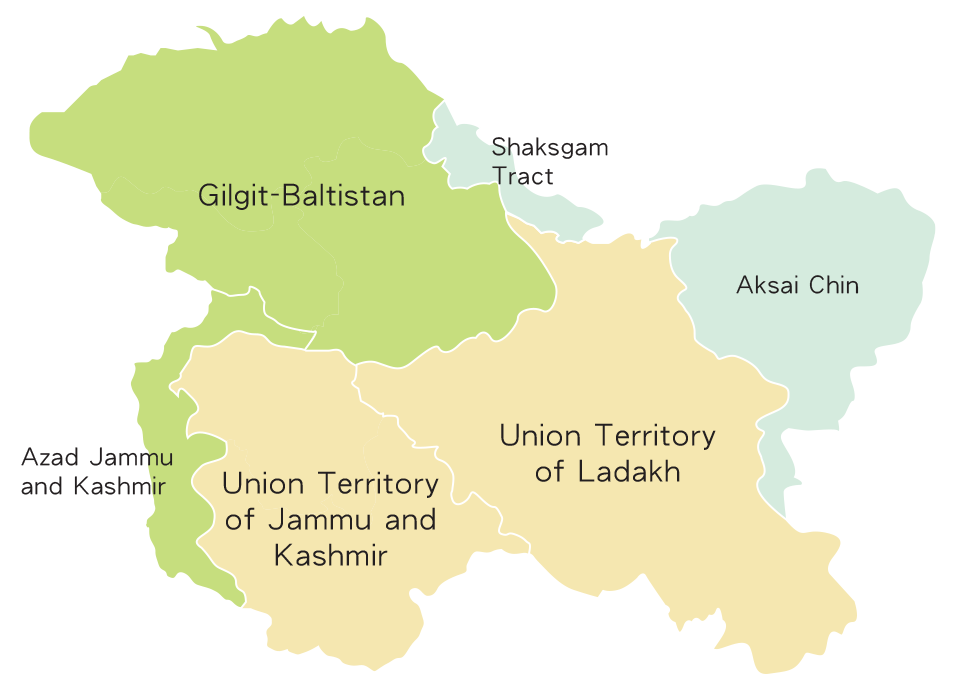
 Indian-administered Kashmir (48%)
 Pakistani-administered Kashmir (35%)
 Chinese-administered Kashmir (17%)

Indian-Administered Area


The former administrative name for the Indian-administered part of Kashmir was the State of Jammu and Kashmir, which included Jammu and Kashmir as well as Ladakh. Since 1954, under Article 370 of the Indian Constitution, the state had special autonomous status and enjoyed a high degree of self-rule. This autonomy was revoked in 2019, and the state was reorganized into the following two Union Territories.


UNION TERRITORY OF JAMMU AND KASHMIR

In August 2019, the special autonomous status of the State of Jammu and Kashmir was revoked by the Indian government, and the region became a Union Territory under direct central administration.

UNION TERRITORY OF LADAKH

Ladakh was traditionally home to Tibetan communities and is often described as “India’s Little Tibet.” Its terrain is rugged and forbidding, with an average elevation of more than 3,000 meters. China claims parts of Ladakh, and India’s decision to make Ladakh a Union Territory further angered Beijing.


Pakistani-Administered Area


AZAD JAMMU AND KASHMIR

“Azad” means “free.” The region is a self-governing state with its own president, prime minister, legislative assembly, Kashmir Council, supreme court and official flag. Its Neelum Valley stretches for about 200 kilometers, with snow-covered peaks rising more than 4,000 meters above sea level.

GILGIT-BALTISTAN

Gilgit-Baltistan has its own assembly, cabinet, government council, and administrative departments. It has a degree of self-government, but it is not formally represented in Pakistan’s national parliament. The region’s greatest resource is its natural landscape: magnificent valleys, open plains, and towering peaks that continue to draw visitors. Its capital is Gilgit, and its largest city is Skardu.


Chinese-Administered Area


AKSAI CHIN

Often described as more like the surface of the moon, Aksai Chin is a barren, uninhabited high-altitude desert. The environment is harsh: bitterly cold, thin-aired, and extremely difficult for human habitation. During the 1962 Sino-Indian War, Indian Prime Minister Jawaharlal Nehru famously described Aksai Chin as a place where “not a blade of grass grows.” Yet both India and China claim the region. It is currently administered by China, while India maintains that it is part of the Himalayan region of Ladakh.

SHAKSGAM TRACT

The Shaksgam Valley forms the main part of the Trans-Karakoram Tract. It lies near Pakistani-administered Kashmir and the Siachen Glacier. In a boundary agreement in 1963, Pakistan ceded the area to Beijing. Because of its remoteness, harsh terrain, and location along a sensitive military frontier disputed by China, India, and Pakistan, access to the area is heavily restricted.


PICTURESQUE

Kashmir’s Beautiful Landscapes

Twelve unforgettable scenes—which would you most want to visit?
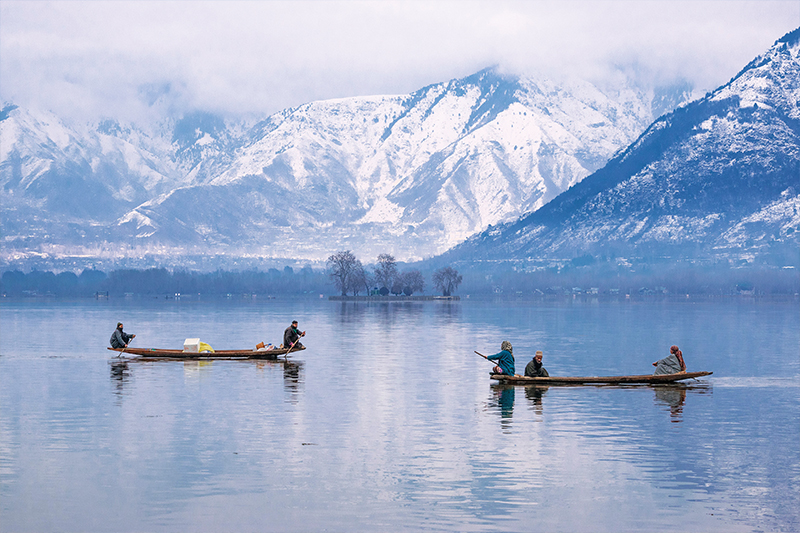

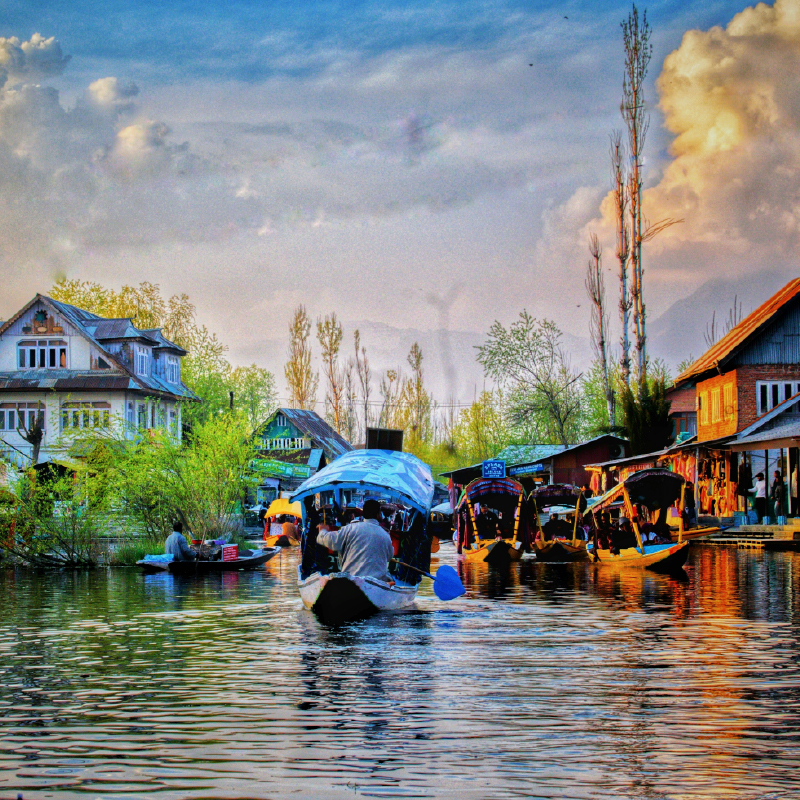
A mountain lake in the shadow of the Himalayas

DAL LAKE

Set against the backdrop of the Himalayas, Dal Lake is known as the “Jewel of Kashmir.”
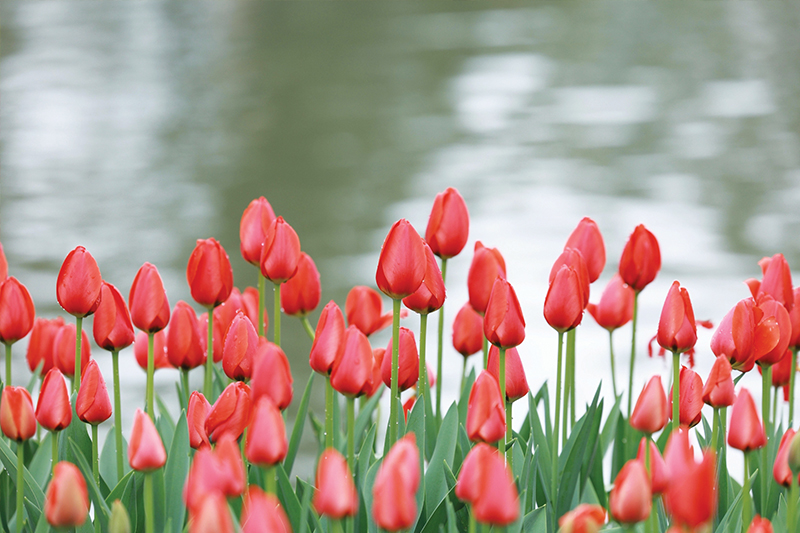

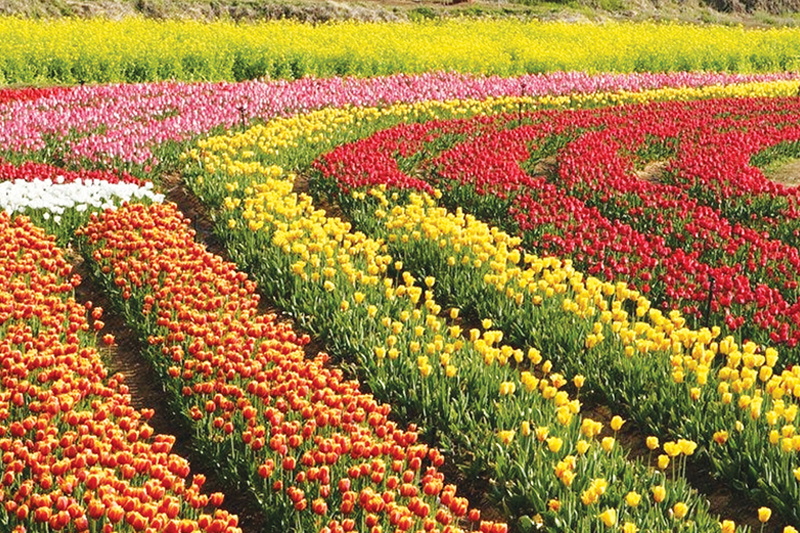
When spring arrives, the whole hillside bursts into bloom

INDIRA GANDHI MEMORIAL TULIP GARDEN

Asia’s largest tulip garden, planted across terraced slopes.
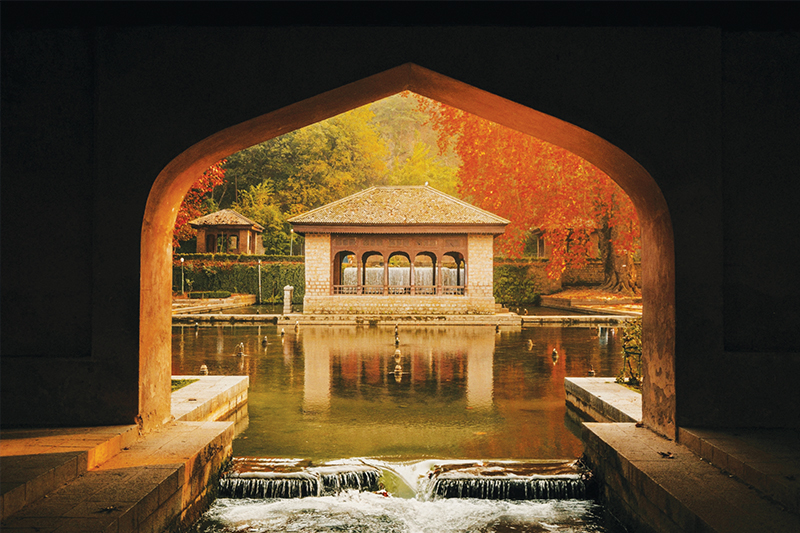

Once a path for emperors—now it is yours to walk

MUGHAL GARDENS

Built by Mughal emperors along the shores of Dal Lake, these gardens were designed to evoke the gardens of paradise described in the Quran. Their fountains, waterways, and flowerbeds reflect the garden traditions of Persia and Central Asia.
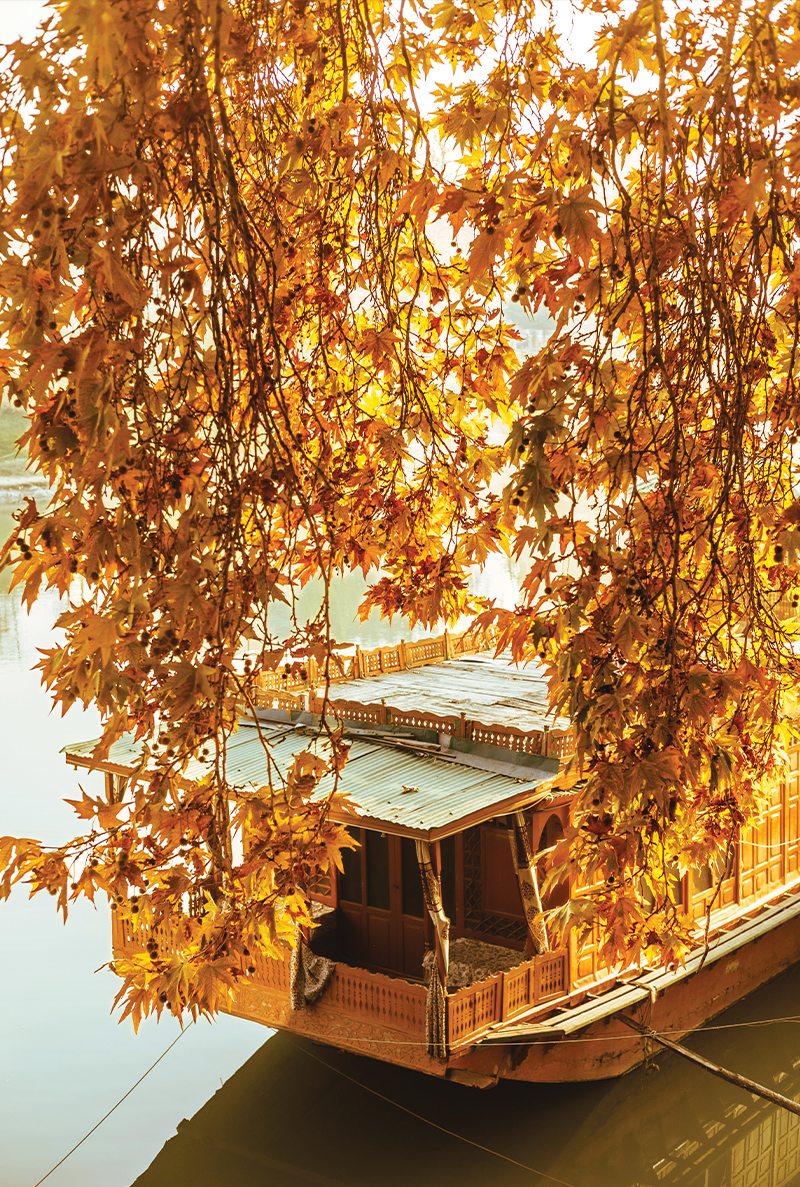

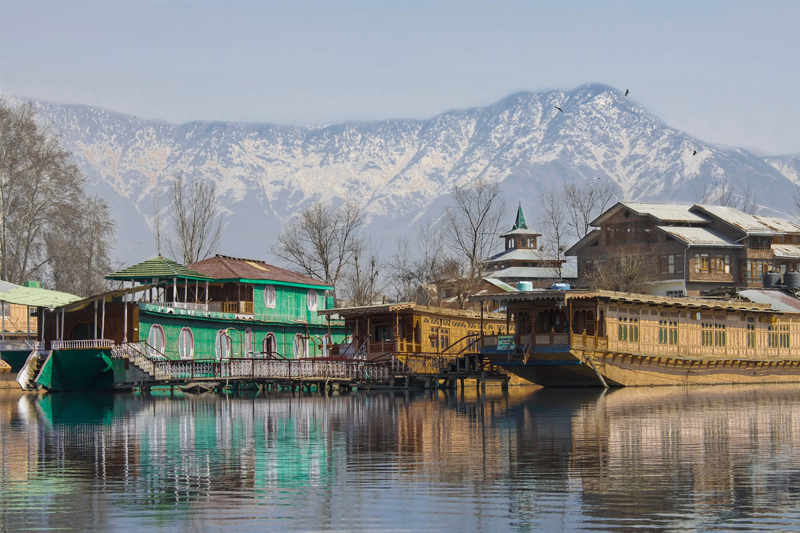
Sleep on the lake; wake to snow-capped peaks reflected in the water

Houseboats

During the British colonial period, Kashmir’s princely rulers did not allow the British to purchase property. In response, the British built houseboats on Dal Lake. Today, these houseboats have become one of the region’s most distinctive and beloved places for travelers to stay.
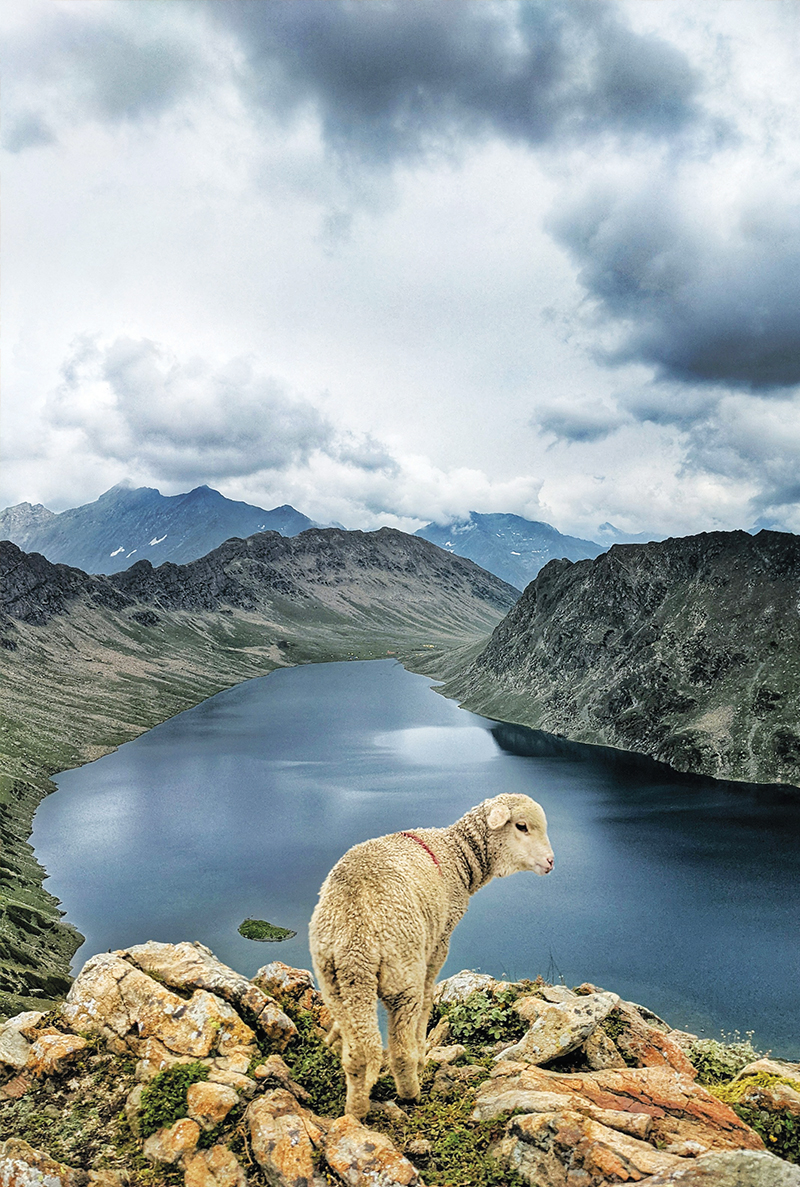
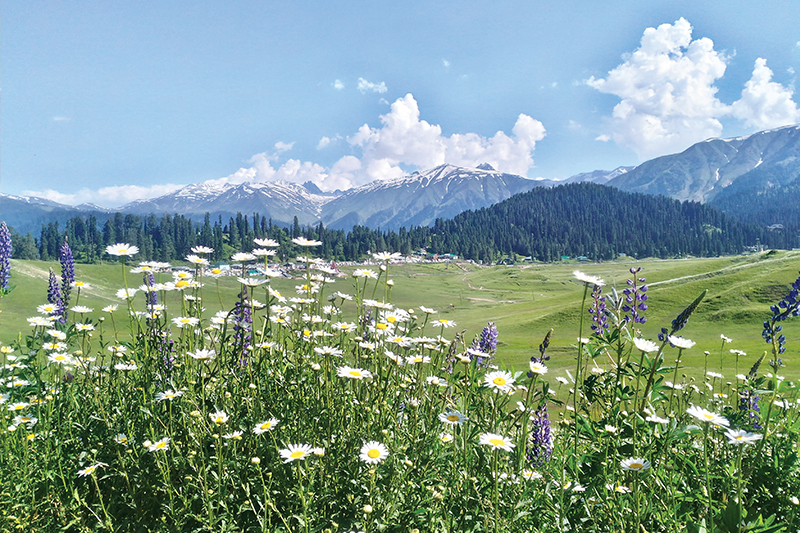
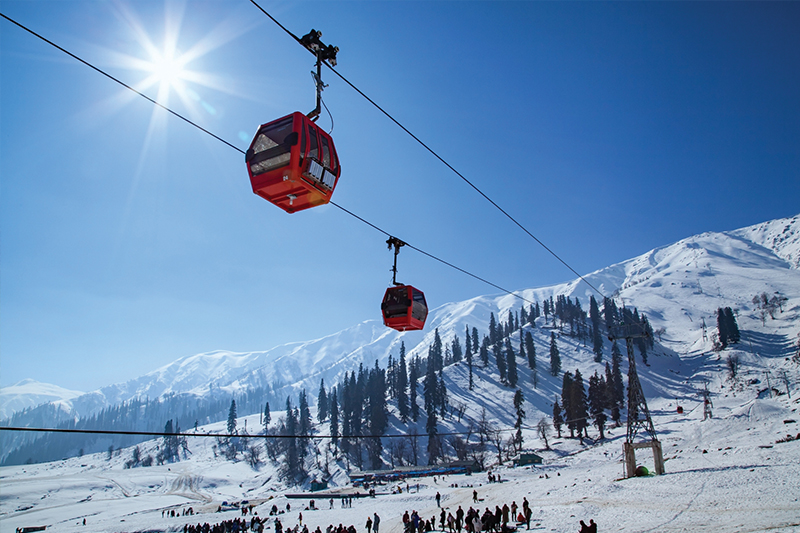
Alpine lakes, snowy peaks, and wildflower meadows accompany you along the way

KASHMIR GREAT LAKES TREK


Ski slopes in winter; seas of flowers in spring and summer

GULMARG


A little Switzerland beneath the Himalayas

PAHALGAM

Also known as “the Switzerland of India,” Pahalgam is known for its snow-covered peaks, pine forests, rivers, and postcard-like scenery. Yet the area’s beauty is not untouched by unrest. In April 2025, militants attacked Hindu men here, killing 26 people—a sobering reminder that this is not a place at peace.
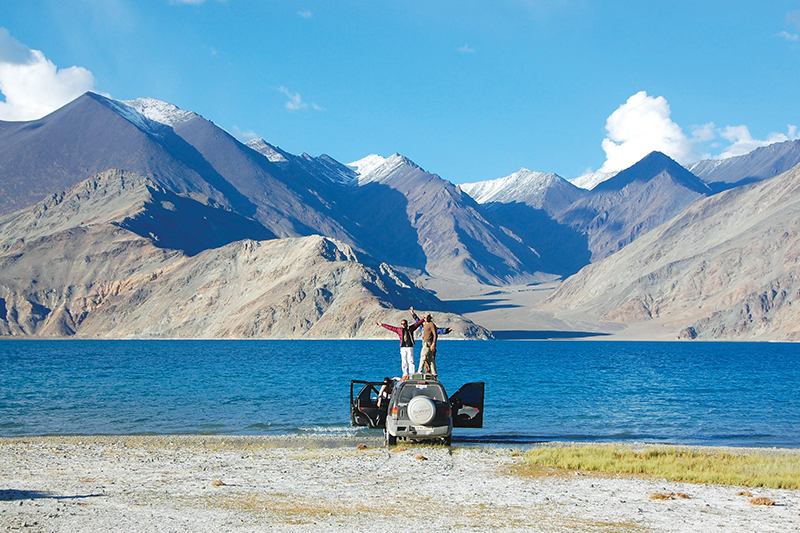

A famous filming location from 3 Idiots

PANGONG TSO

Also known as Pangong Lake, its Tibetan name means “long-necked swan.” Its waters are an even deeper blue than the sky.
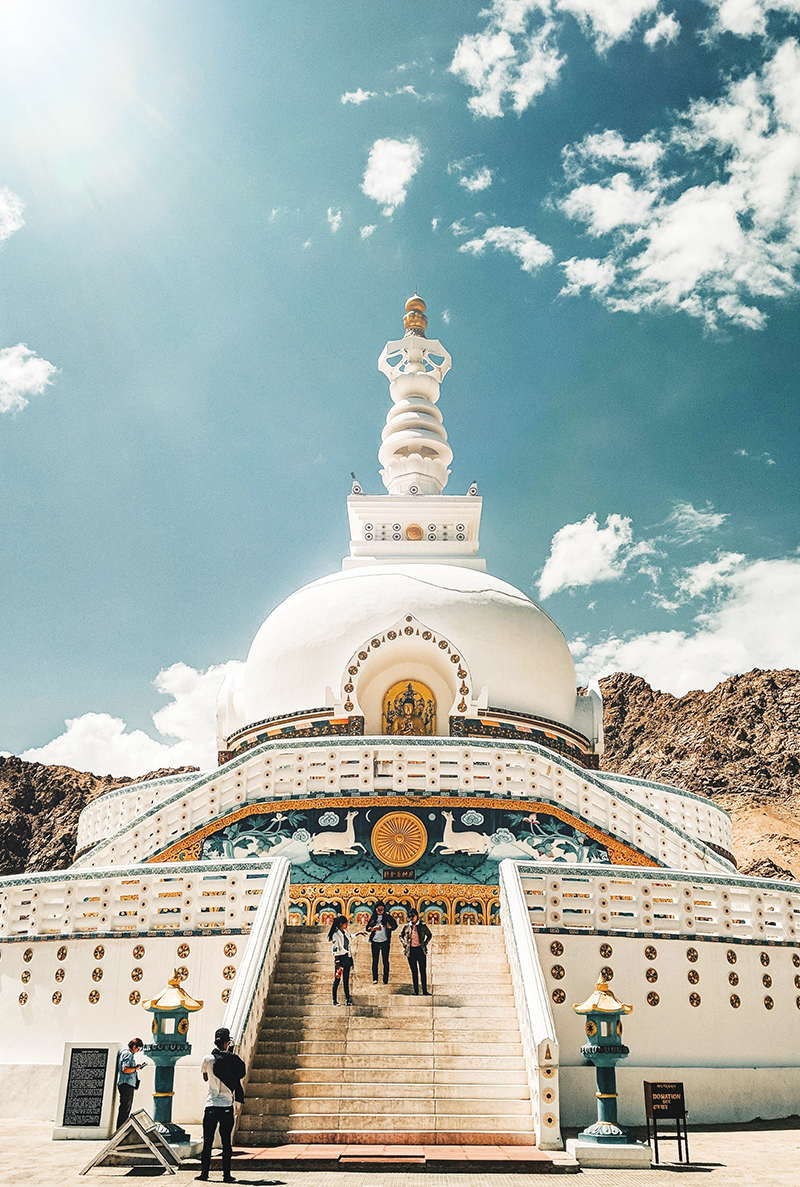

In this highland town, experience the quiet rhythms of Tibetan life

LEH

The capital of Ladakh, Leh sits high in the mountains. The city carries a strong Tibetan influence, the historical legacy of the Ladakhi kingdom, and a rich collection of monasteries, palaces, and other cultural heritage sites.
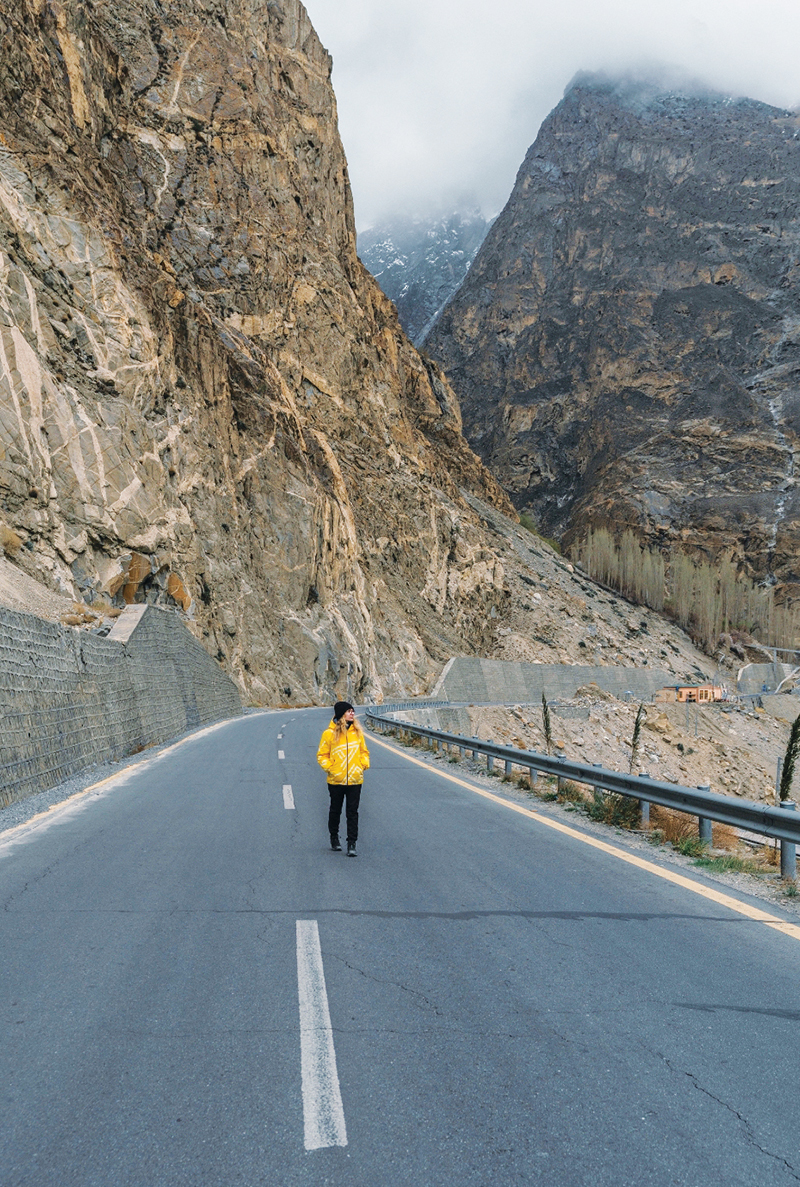

One of the world’s highest international highways, and a road full of adventure

Karakoram Highway

Also known as the China-Pakistan Friendship Highway, the Karakoram Highway passes through dramatic cliffs, narrow mountain roads, high-altitude cold deserts, snowy peaks, and raw, untouched landscapes.
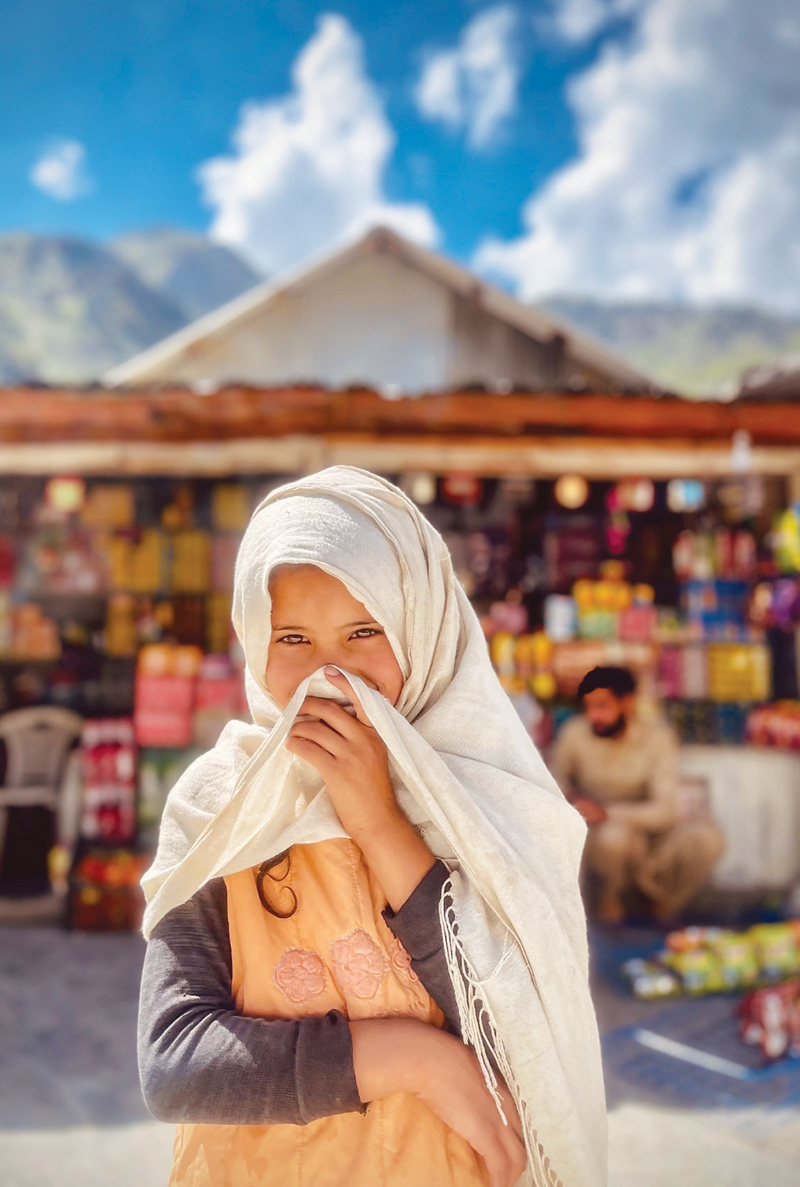

An important stop on the ancient Silk Road, filled with travelers’ memories

GILGIT

A meeting place of forests, snowy peaks, glaciers, and ancient Buddhist heritage sites, Gilgit is now the capital of Pakistani-administered Gilgit-Baltistan.
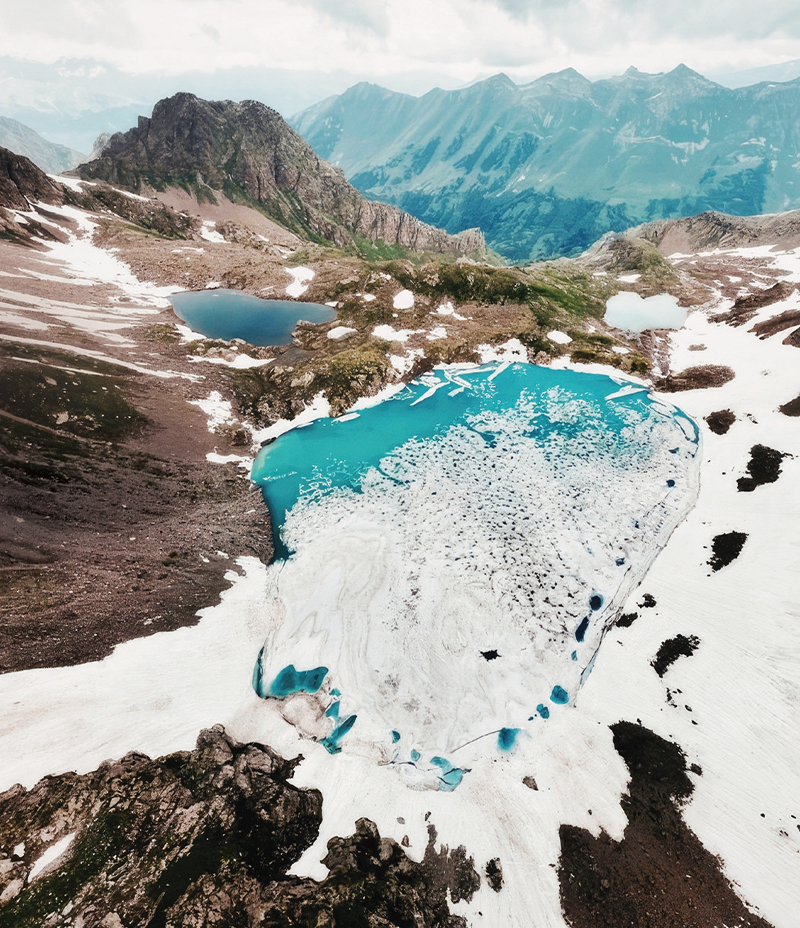

Kings among the world’s mountain glaciers

Glaciers of the Karakoram Range

Three of the world’s longest non-polar glaciers are found in the Karakoram Range: the Biafo, Baltoro, and Batura glaciers.


Kashmir Is Beautiful
— But Think Carefully Before You Go

This is not travel advice. It is the formal warning issued by many governments.
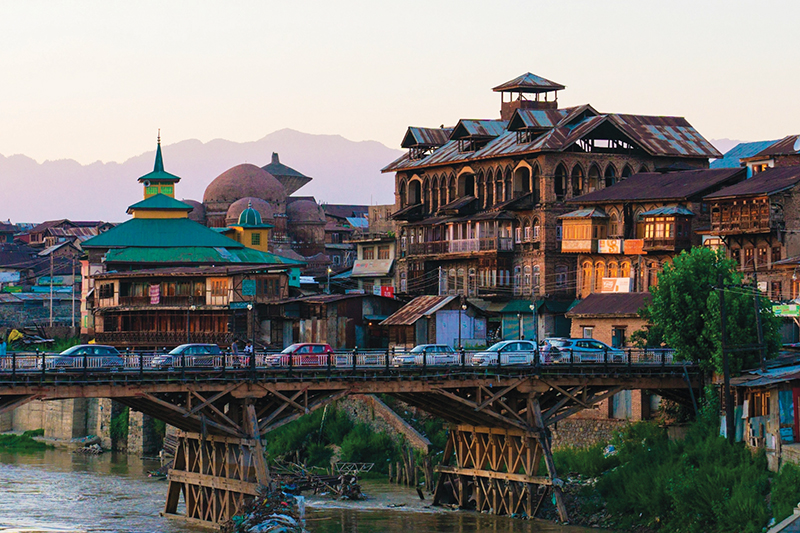
Countries such as the United States, Canada, Australia, the United Kingdom, and Singapore advise their citizens to avoid travel to parts of Kashmir because of the high risk of terrorism, armed conflict, kidnapping, and civil unrest. These warnings apply especially to areas near the India-Pakistan border, including the Line of Control, as well as some major tourist areas.


ARTS & CRAFTS

Kashmir’s Handmade Treasures

Craftsmanship, everyday objects, and woven traditions
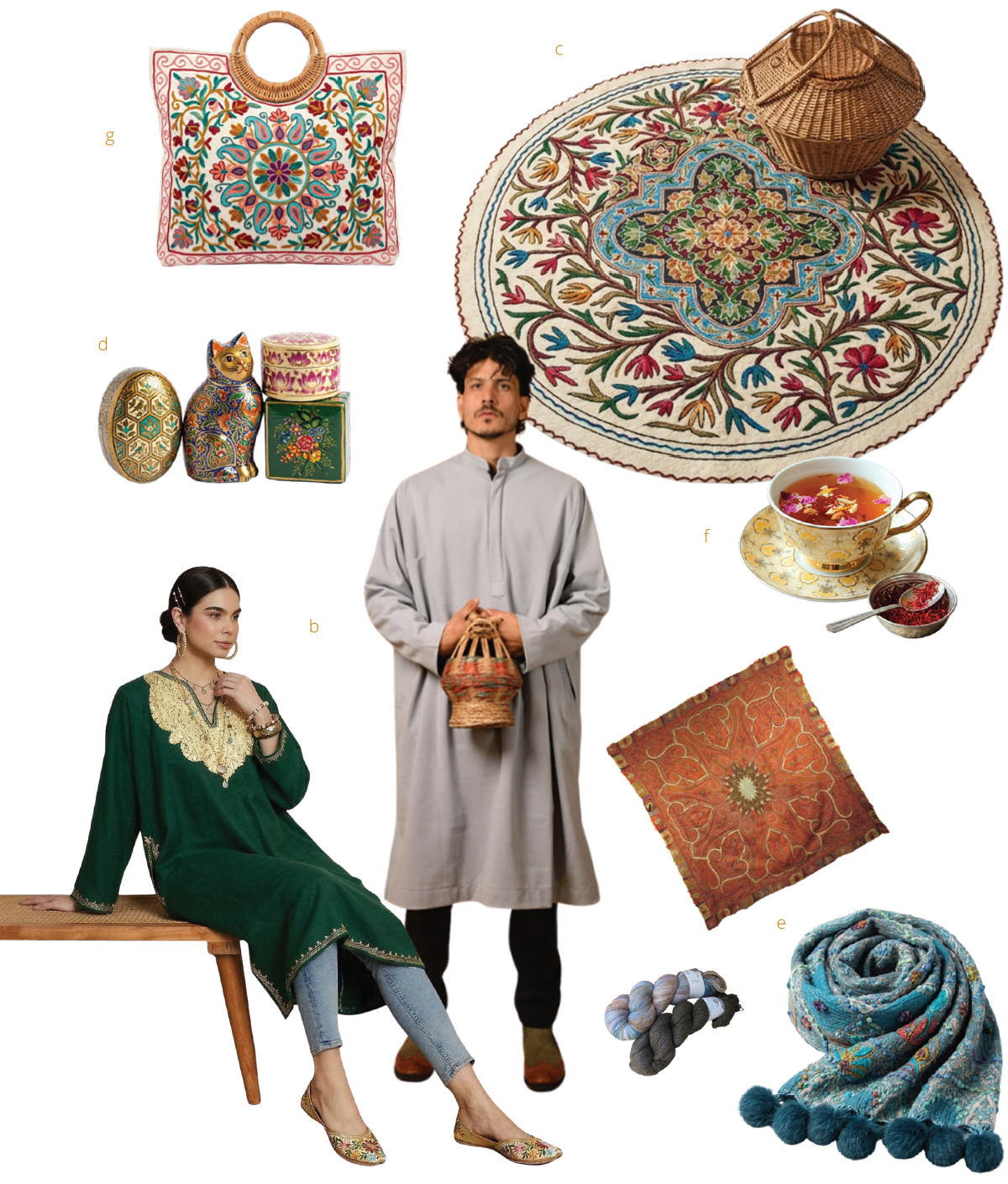


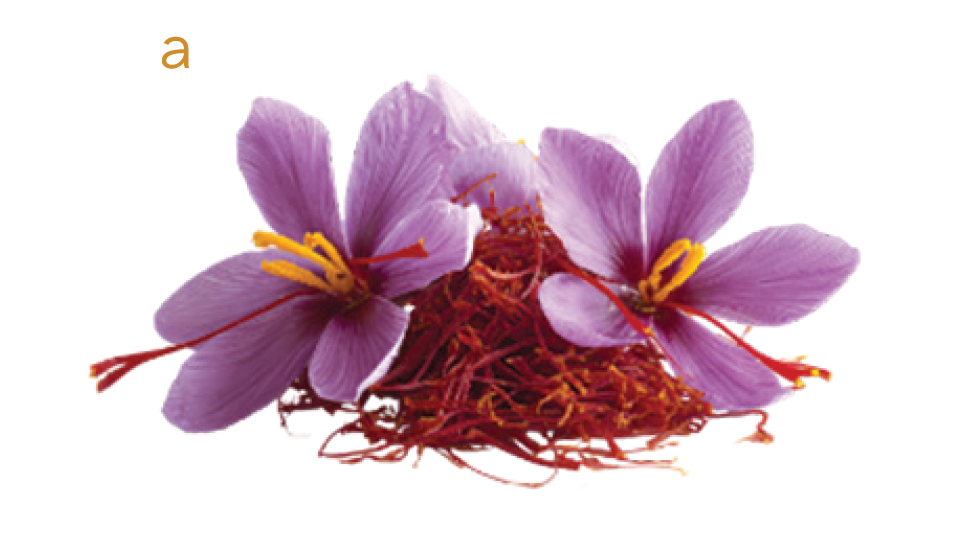
aKashmir Saffron

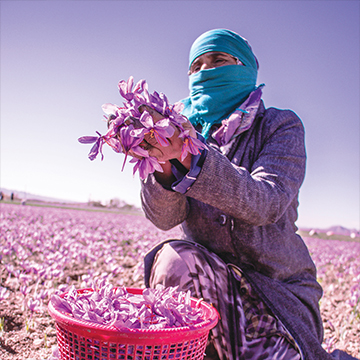
Saffron is one of the world’s most precious spices. It takes around 16,000 saffron flowers to produce just 100 grams of dried stigmas. Kashmiri saffron is grown mainly in the high-altitude fields of Pampore. Known for its quality and rarity, it has a rich aroma, deep red color, and high crocin content.
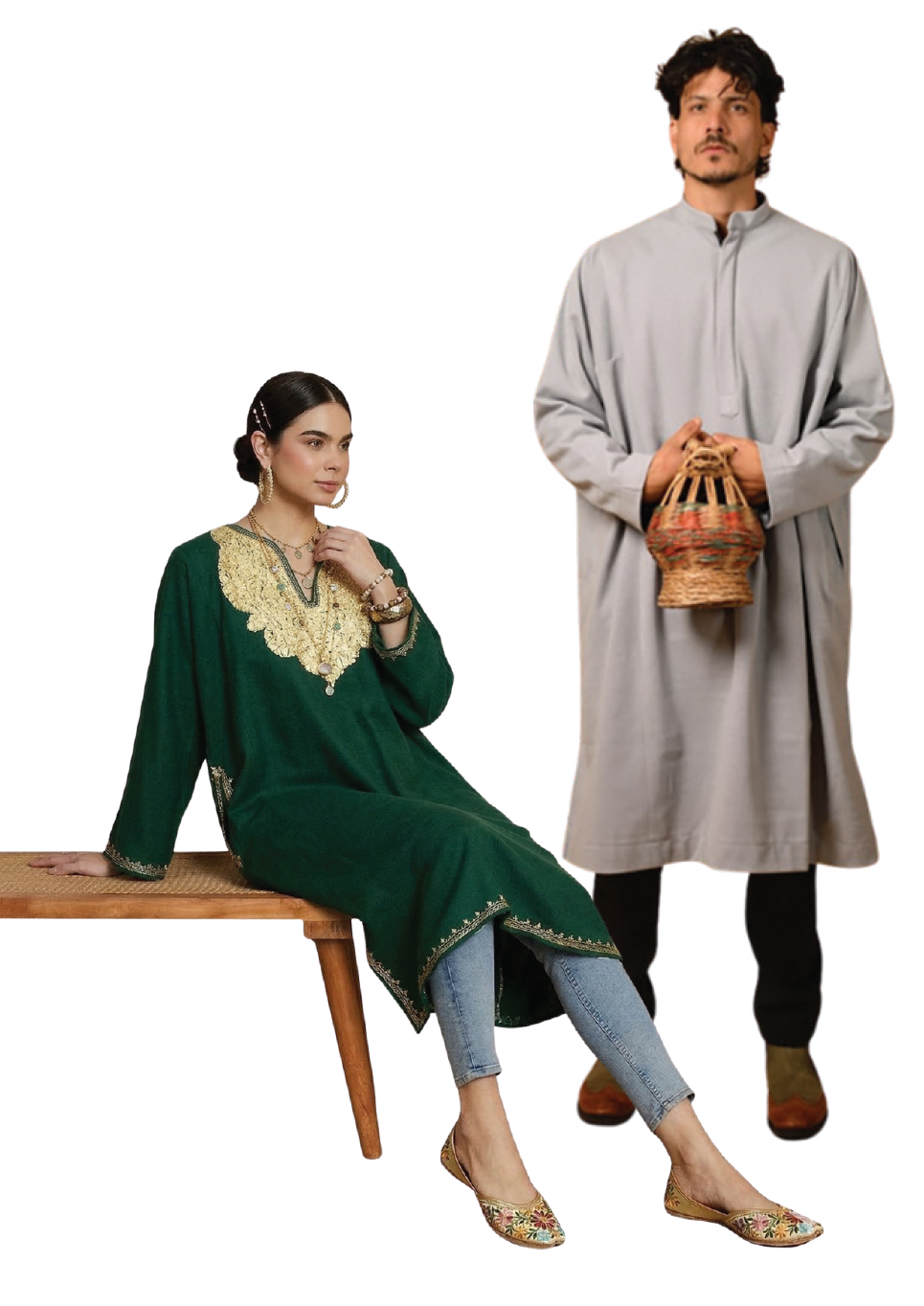

bPheran

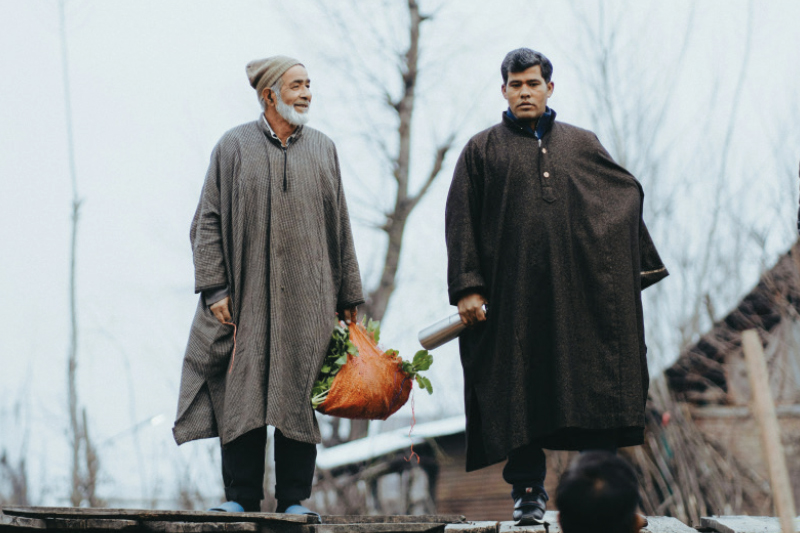
The pheran is a traditional Kashmiri outer garment. Men’s styles are usually simple and plain, while women’s versions are more elaborate, often decorated with intricate embroidery.
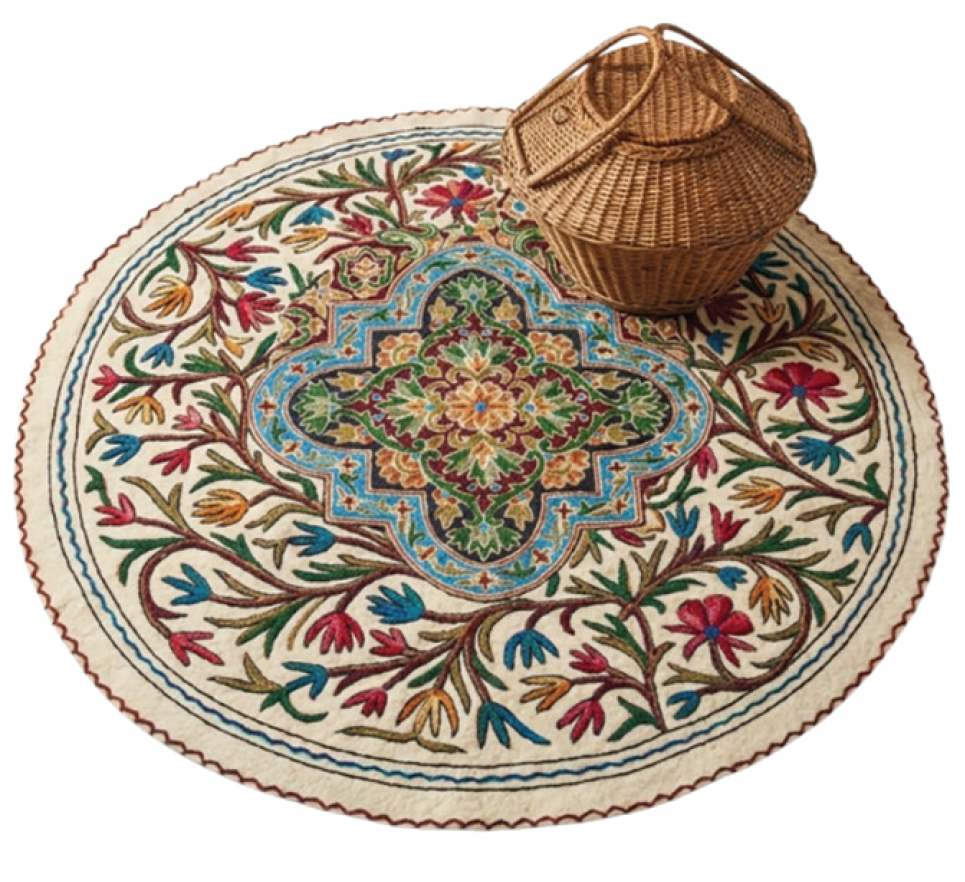

cCarpets

Kashmiri carpets are soft to the touch and richly textured. They are known for their intricate, free-flowing woven patterns, carefully hand-knotted by skilled artisans using techniques passed down through generations.
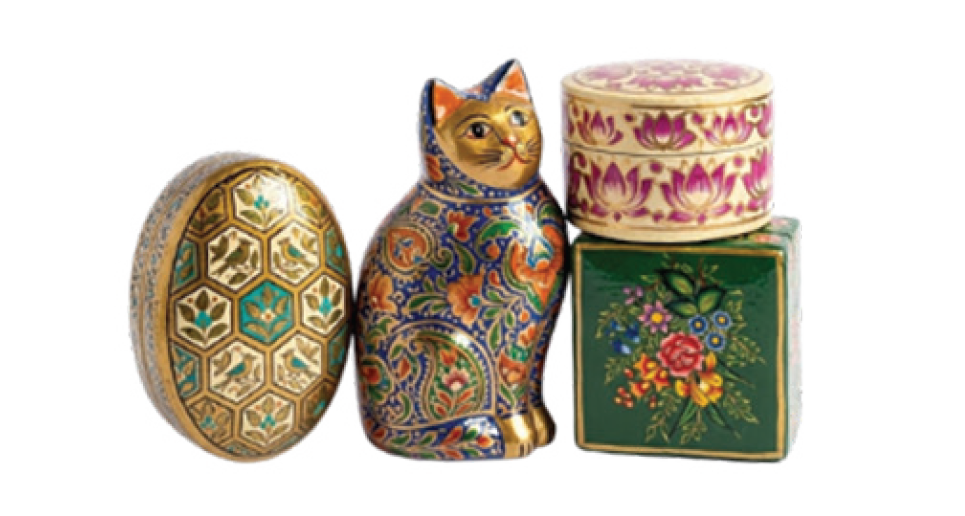

dPapier-Mâché

Papier-mâché is a craft introduced to Kashmir from Persia in the fourteenth century by the Sufi saint Mir Sayyid Ali Hamadani. Paper pulp is mixed with adhesive, shaped, lacquered, and then painted with decorative patterns. The finished pieces include boxes, hanging ornaments, picture frames, and other small objects.


ePashmina Shawls

Pashmina shawls are among Kashmir’s most beloved luxury textiles. Made from fine cashmere, they are soft, light, and warm. They come in many colors and are often decorated with delicate embroidered patterns.
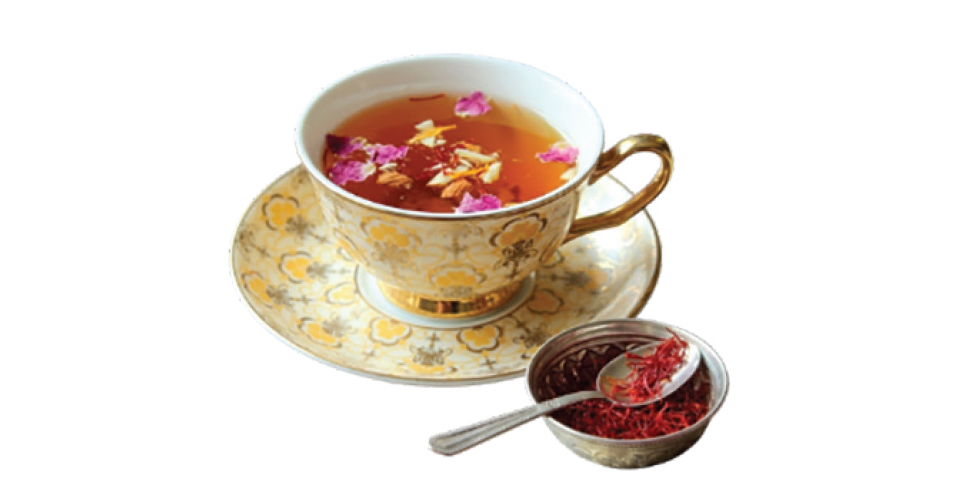

fKashmiri Kahwa Tea

Kashmiri kahwa is a fragrant tea blended with spices from the Kashmir Valley, such as cardamom, saffron, cinnamon, and cloves. The tea brews to a golden color and can be sweetened with sugar or honey, then served with toasted almonds, walnuts, or other nuts. Its flavor is warm, refined, and richly aromatic.
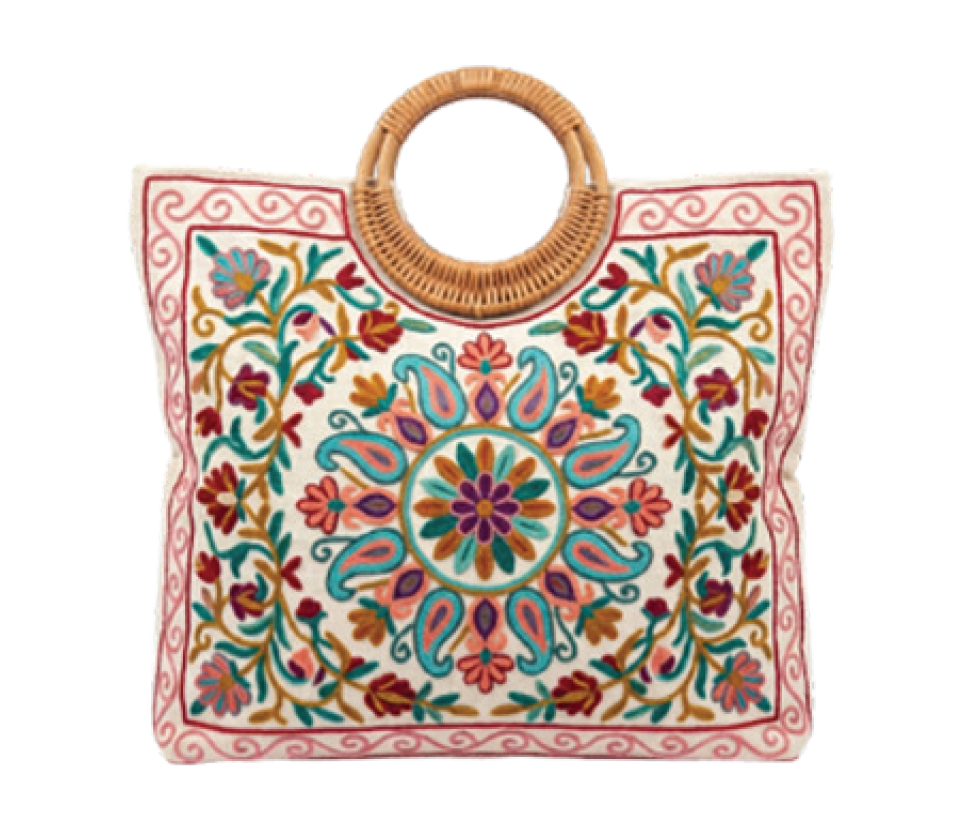

gZalakdozi Embroidery

Zalakdozi is a chain-stitch embroidery technique used on curtains, pillowcases, carpets, clothing, and other textiles. Worked with heavy woolen yarn, it creates rich and intricate designs, including floral patterns and climbing vine motifs.

Three Powers, One Disputed Land

Kashmir Between Three Powers

01Aug

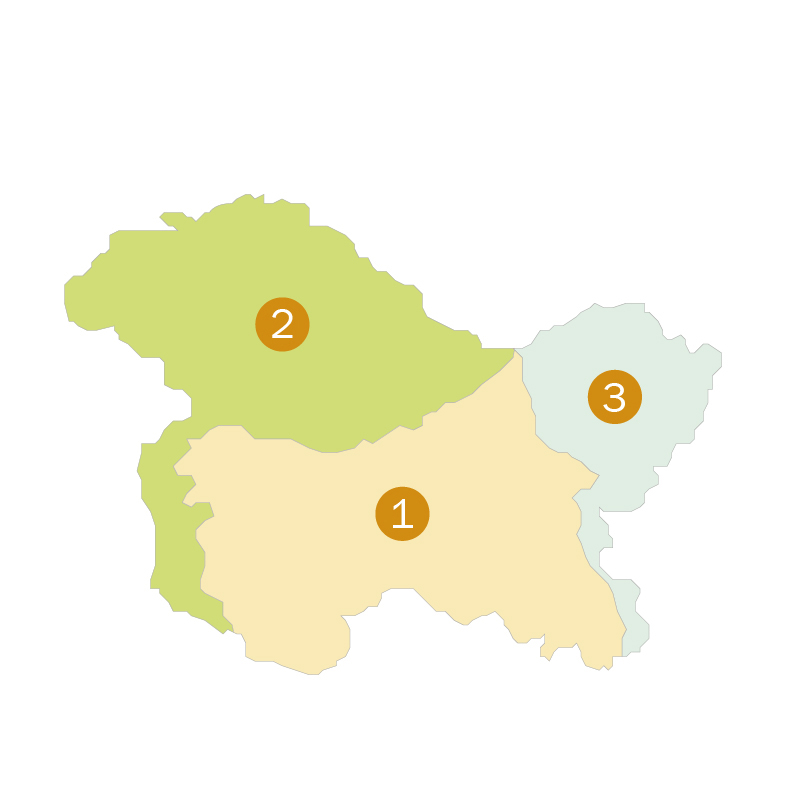
Kashmir was once a princely state1 in the Himalayan region. After Britain ended its colonial rule over India, Kashmir became caught in a contest for political control and is now administered in parts by India, Pakistan, and China.

The dispute over Kashmir involves competing territorial claims by India, Pakistan, and China, with none of the three willing to yield.

1. Indian-administered area: the Jammu and Kashmir region, now reorganized into two Union Territories. India maintains that because Kashmir’s princely ruler signed the Instrument of Accession to India in 1947, Kashmir is an inseparable part of Indian territory.

2. Pakistani-administered area: the western regions of Gilgit-Baltistan and Azad Jammu and Kashmir. Pakistan argues that the 1947 partition of British India was based on religious demographics, and that Kashmir, with its Muslim-majority population, should therefore belong to Pakistan—or at least hold a referendum so its people can decide their own future.

3. Chinese-administered area: the sparsely populated eastern areas of Aksai Chin and the Shaksgam Tract. China claims that Aksai Chin and Shaksgam are historic territories dating back to the Qing dynasty and are inseparable parts of Xinjiang and Tibet.

As a result, Kashmir remains entangled in a struggle among powerful nations, with conflict continuing to break out.

1 A princely state was a semi-autonomous state under British colonial rule, governed by a local or regional ruler.

Prayer

Heavenly Father, all the nations You have made will come to know You and turn to You. They will be blessed by Your justice and mercy. We ask You to heal the broken land of Kashmir. When nations contend with one another and Kashmir’s status remains unresolved, may those in power act with justice and seek peaceful ways to address territorial disputes. When separatist forces take advantage of the situation to stir up unrest, we ask You to protect the Kashmiri people from every kind of attack. May they lift their eyes to You, find in You their true peace, and know that their deepest belonging is in You. In the name of Jesus Christ our Lord, Amen.

Military Conflict, Constant Unrest

No Peace in Kashmir

02Aug

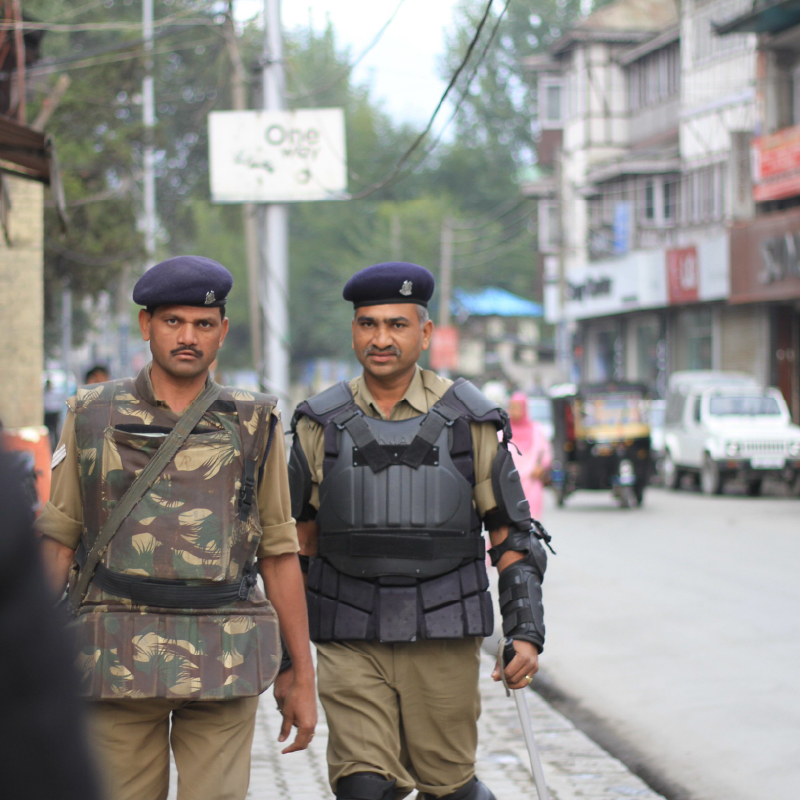
Caught between the three military powers of India, Pakistan, and China, Kashmir has often been affected by military conflict. According to estimates, around 750,000 Indian military personnel are stationed on the Indian side of the Line of Control, while on the Pakistani side, about 150,000 soldiers and various armed groups are positioned. More than two million people live near the Line of Control, where they often face sudden outbreaks of conflict between India and Pakistan.

Since 1989, Indian-administered Kashmir has seen periodic unrest. Groups such as The Resistance Front (TRF) have attacked Indian government personnel, soldiers, police officers, and others in Kashmir. In 2025, a shooting in the town of Pahalgam, in Indian-administered Kashmir, killed 26 people and injured at least 17.

In 2019, India revoked the autonomous status of the State of Jammu and Kashmir and expanded its control over the region. Even today, the area remains unsettled. Village Defence Guards, a militia force, are regularly given military training to counter Muslim armed groups said to have infiltrated from Pakistan. The Indian government has also carried out crackdowns and imposed curfews in the Muslim-majority Kashmir Valley.

The Chinese-controlled area is sparsely populated, so it has seen comparatively less conflict.

Prayer

Heavenly Father, You are the Most High over all the earth; You are exalted far above all gods. We praise You. May Your glory come upon every mountain and valley of Kashmir. For with You is the fountain of life, and in Your light, the people of Kashmir will see light. For many years, the people of Kashmir have suffered between the conflict of India and Pakistan and separatist unrest. May the different governments seek common ground amid their differences and bring peace to Kashmir’s conflicts. May those in power care for the people, govern with integrity and justice, and keep the well-being of the people in mind. May the people of Kashmir be protected by the Lord and live each day in peace. In the name of Jesus Christ our Lord, Amen.

When Prayer Flags Meet the Crescent Moon

Religious Interweaving in Ladakh

03Aug

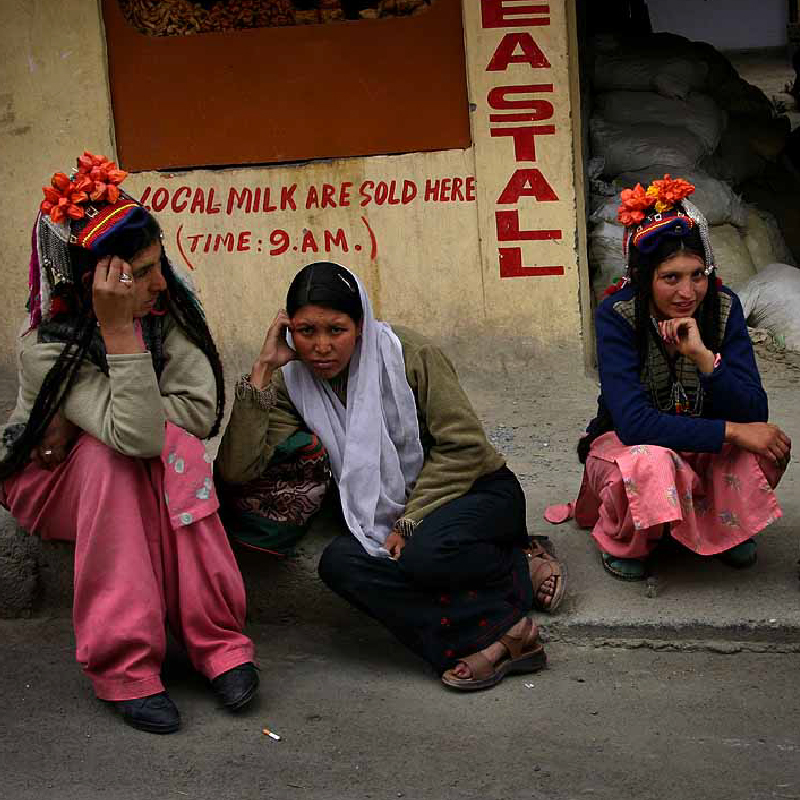
Ladakh is part of Indian-administered Kashmir. It has long been organized around two major areas: Kargil and Leh. Leh is home mainly to Tibetan Buddhists, while Kargil is predominantly home to Twelver Shia Muslims.1

In the past, Ladakh’s Buddhists and Muslims lived closely intertwined lives. In Leh’s old town, for example, Muslim homes surrounded Buddhist stupas, and the houses carried a distinctly Kashmiri style. Buddhist business owners often entrusted the actual running of their shops to Muslims, forming a kind of symbiotic relationship.

The town of Chiktan and the village of Kuksho in Kargil were once home to both Buddhists and Muslims. Older residents remember a time when people visited one another freely and gathered to drink together during Losar, the Tibetan New Year, and Eid. They even shared the same cooking pot, distinguishing only between halal and non-halal meat.

Local names also reflected this interweaving. Names such as Rahim Tsering and Ali Tashi combined Muslim and Tibetan Buddhist elements. When people fell ill, they might seek help from a local amchi (a traditional healer), or ask an imam (a Muslim religious leader), or a monk to perform rituals.

Over the past forty years, however, the situation in Ladakh has become increasingly complex. Religious and ethnic identities have grown stronger, and ways of life that were once interwoven have gradually receded, replaced by clearer and more defined boundaries.

1 Twelver Shia Islam is the largest branch of Shia Islam. It honors Ali, the cousin and son-in-law of the Prophet Muhammad, and eleven of his descendants as the twelve Imams, or spiritual leaders.

Prayer

Heavenly Father, we declare that the layered mountains of Ladakh cannot stop the coming of Your gospel. As the people of Ladakh become increasingly divided by religious differences, give Your workers wisdom to cross barriers of faith and culture. Through their lives, stories, testimonies, and sharing, lead the people of Ladakh into the fold of Jesus. May the people of Ladakh enter through the gate, come to know Jesus, rest in His arms, and worship the Lord together with all peoples and nations. In the name of Jesus Christ our Lord, Amen.

The First Muslim Ruler

The Spread of Islam in Kashmir I

04Aug

Historically, a Mongol invasion of Kashmir led to the collapse of the Hindu kingdom that ruled there at the time. In 1320, Rinchan, a Buddhist prince from Ladakh, fled to Kashmir and seized power amid the turmoil. Hoping to strengthen his rule, he initially wanted to convert to Hinduism. But the Brahmin priests, unsure which caste he should belong to, refused him.

Rinchan then turned to the Sufi saint Bulbul Shah, converted to Islam, and took the name Sadr'ud-Din Shah. In this way, Kashmir had its first Muslim ruler. From then on, the number of Muslims in Kashmir grew rapidly. Sufi saints from Persia and Central Asia also traveled through the region, spreading their faith. At the time, many Buddhists and low-caste Hindus who hoped to escape the caste system converted to Islam.

Today, Muslims make up about 68% of the population of the Union Territory of Jammu and Kashmir, making it India’s only Muslim-majority state or territory. It is also home to one of India’s oldest Muslim communities.

Prayer

Heavenly Father, the nations declare Your glory, and all peoples proclaim Your wonders. May Your grace come upon Kashmir. Raise up Christian leaders so that Muslims may be amazed by Your wondrous works and joyfully open their hearts to receive Jesus as Savior. May Your Word spread widely among the Muslims of Kashmir, so that each person has the opportunity to hear it and read it. May the Holy Spirit move like wind through the mountains and valleys of Kashmir, awakening Muslims to know that Jesus is the Son of the living God. May hearts turn back to the one true God. In the name of Jesus Christ our Lord, Amen.

Tribal Communities Turn to Islam

The Spread of Islam in Kashmir II

05Aug

Professor Satish Ganjoo, a Kashmiri Hindu scholar, has noted that about 90% of India’s tribal peoples1 follow Hinduism and generally have not embraced Islam. Kashmir, however, is different. Although it lies inland, surrounded by the towering Himalayas, eight important mountain passes have historically connected it to the outside world. These routes were not only trade corridors and entryways for outsiders, but also channels for cultural transmission and the spread of religion.

Over time, repeated waves of foreign invasion, the arrival of Sufi preachers, and the conversion of rulers to Islam all brought great change to Kashmir. As Islam gained authority in the region, Kashmir’s tribal peoples also embraced the faith. Yet they continued to preserve their traditional tribal systems, customs, social structures, and ethnic identity. This shows how Islam adapted to the local tribal culture.

For example, Kashmiri tribal Muslims still retain ancestral Hindu surnames. These include Bhat or Butt, associated with Brahmins; Dar or Dhara, associated with Kshatriyas; and Raina, a name connected with rulers or administrators.

1 In India, tribal peoples are often referred to as Adivasis, meaning “original inhabitants.” Under the Indian Constitution, they are recognized as Scheduled Tribes, which is a legal category recognized for special government protections and support.

Prayer

Heavenly Father, to know You, the only true God, and Jesus Christ whom You have sent is eternal life. We praise You. As the tribal peoples of Kashmir seek faith, may they consider the beauty of eternal life—a blessing only You can give. May they turn back to You and receive You with joy. As they look upon the created world, may they trace all things back to the most wondrous source of creation: the Lord God Jehovah. May they receive this greatest blessing. In the name of Jesus Christ our Lord, Amen.

The Spiritual Quest of the Muslim Rishis

The Spread of Islam in Kashmir III

06Aug

Kashmir is marked by a strong atmosphere of Islamic spirituality. In the fourteenth century, Sufi saints1 from Central Asia and Persia, such as Bulbul Shah and Mir Sayyid Ali Hamadani, came to the Kashmir Valley and influenced many people to embrace Islam.

At that time, the local Shaivite saint Lalleshwari, known as Mother Lalla, advocated a blending of Islam and Shaivism. She taught tolerance, universal love, and peace. The local Sufi saint Sheikh Nooruddin Noorani was influenced by her, giving rise to Kashmiri Islamic mysticism. This tradition combined the Sufi pursuit of spiritual cultivation with the ancient Indian Vedic tradition. Through meditation, self-examination, and simple living, practitioners set aside worldly desires and sought union with God. This form of spiritual practice became known as the Muslim Rishi movement.

The asceticism and detachment of the Muslim Rishis won the respect of the Kashmiri people, and under the guidance of these saints, many embraced Islam. After many tribal communities converted to Islam, they continued to preserve their ethnic characteristics and cultural traditions, forming a uniquely Kashmiri expression of Islam.

1 Sufi saints are revered mystics in the Sufi tradition of Islam, known for their deep spiritual devotion and closeness to God.

Prayer

Heavenly Father, human beings are made in Your image and bear Your glorious likeness. Because of this, we long for holiness, for acceptance by God, and for the blessing only You can give. As the people of Kashmir seek God through spiritual devotion, we ask You to awaken in them a desire to know Jesus. May You do mighty and wondrous works among them. By Your Holy Spirit, open the eyes of their hearts to see Jesus, the Great Shepherd, and may they run to Him without looking back. In the name of Jesus Christ our Lord, Amen.

A Harmony of the Past

Kashmiriyat: The Spirit of Kashmir

07Aug

In the past, Kashmir was a link between the Silk Road and the trade networks of Central Asia. Many peoples, cultures, and religions met there, giving rise to Kashmiriyat—the “spirit of Kashmir,” which emphasized harmony, coexistence, and a shared life beyond religious boundaries.

This spirit was also reflected in the Sufi-Rishi tradition of the fifteenth to seventeenth centuries. Muslims combined Islamic mysticism with the ancient practices of Shaivite saints, pursuing inner harmony and spiritual discipline. In this way, Kashmiriyat became a lived expression of religious interweaving.

In recent years, however, Kashmiriyat has become a contested idea. For those who look back with nostalgia, it represents a lost era of harmony. For victims of violence, such as the displaced Pandits (see August 8), it can sound like an empty and hypocritical slogan. Militants have used it to argue for political autonomy, while Indian state narratives have used it to cast nationalism as “inclusive.”

Yet as violence continues to tear apart relationships between communities, Kashmiriyat can no longer easily bind up wounds that keep bleeding.

Prayer

Heavenly Father, Your throne endures forever and ever; the scepter of Your kingdom is upright. Before the mountains were born, before You formed the earth and the world. From everlasting to everlasting, You are God. May the people of Kashmir come to know that You are still waiting for them, despite their disappointments. May they know that You do not cast people off forever. May they turn back from the weariness of conflict and pain, and receive the comfort that comes from You. May they lay down the ethnic and religious burdens they have carried from the past. May they forgive and accept one another, and may harmonious relationships between communities be restored. In the name of Jesus Christ our Lord, Amen.

The Great Scholars

Kashmir’s Hindus

08Aug

Kashmir’s Hindus belong to the Saraswat Brahmin community, a branch of the Brahmins. They call themselves Bhatta, a Sanskrit word meaning “great scholar,” reflecting their identity as intellectuals, priests, and guardians of culture.

Today, they are known as the Kashmiri Pandits. They worship Shiva and Shakti, and understand the many gods and goddesses of the traditional Hindu pantheon as different manifestations of Shiva and Shakti. Their daily religious practices include worship, yoga, chanting mantras, and meditation. In the tension between the pursuit of worldly enjoyment (Bhukti) and liberation (Mukti), they seek spiritual balance.

In 1989, the situation in the State of Jammu and Kashmir deteriorated sharply. Separatist movements opposing Indian rule and acts of terror and violence intensified, causing large numbers of Kashmiri Pandits to flee to other parts of India. Those who remained in Jammu lived in temporary camps.

In 2011, many Kashmiri Pandit families were relocated by the government to the Jagti Migrant Colony. This appeared to address their housing needs, but poor building quality, water leakage, inadequate infrastructure, and ongoing economic and social instability have meant that many Kashmiri Pandits continue to suffer.


Exiled for 32 Years—The Situation of the Kashmiri Pandits


Prayer

Heavenly Father, You look down from heaven and see all people, including the suffering Pandits. When they lack a secure place to live and long for a safe home, may Your children in Kashmir reach out to them with comfort and practical help. May the few Christians among the Pandits have the right opportunities and courage to share the good news of Jesus. May the Lord open a way for them and give them wisdom to bring the gospel to their neighbors, relatives, and friends. May they shine for the Lord through a faithful witness. In the name of Jesus Christ our Lord, Amen.

The Disappearing Legacy of Indian Buddhism

Kashmir’s Buddhists

09Aug

In the third century BCE, early Indian Buddhism flourished in Kashmir with the support of local rulers. In the seventh century, the Tang dynasty Buddhist scholar Xuanzang traveled through Kashmir and found more than one hundred Buddhist monasteries and over five thousand monks. At that time, Kashmir produced many Buddhist scholars, and Buddhism spread through Kashmir into Ladakh and Tibet.

Over time, however, as dynasties changed, Muslim rulers entered the region, and Hinduism revived, the early Buddhist tradition in Kashmir began to decline. Still, traces of Buddhism remained. These can be seen, for example, in mosques shaped by Kashmiri stupa design, the use of prayer beads in Sufi practice, and beliefs such as Fana1 and Maqamat2, which are understood to contain Buddhist elements. According to tradition, the Dejhoor earrings once worn by Mahamaya Devi, the mother of the Buddha, are still worn today by married Hindu women in Kashmir.

Today, Buddhists in the Kashmir region are mainly Tibetan Buddhists living in Ladakh, especially in and around Leh, where Tibetan culture remains strong.

1 In Sufism, Fana refers to the annihilation or disappearance of the self in union with God.

2 Maqamat refers to the stages of spiritual discipline practiced by Sufi mystics.

Prayer

Heavenly Father, heaven and earth will perish, but You remain. They will wear out like a garment; You will change them like clothing, and they will be changed. Lord, You alone do not change, and Your years have no end. As Kashmiri Buddhists reflect on the changes brought by the rise and fall of kingdoms and rulers, may they consider the meaning of eternity and come to know that only the Lord God can give life that lasts forever. May they be moved by the Holy Spirit and joyfully receive Jesus Christ as Savior. In the name of Jesus Christ our Lord, Amen.

Faith Forged in the Storm

Kashmir’s Christians

10Aug

Kashmir has about five historic churches built during the British colonial period.1 Today, Christians in Kashmir are a very small minority, and many are former Muslims who converted to Christianity. According to the 2011 census, Christians made up only 0.3% of the population of the former State of Jammu and Kashmir. They live cautiously and keep a low profile, mainly reaching out to the wider community through care ministries and social welfare work.

Because of ongoing tensions, military controls, and restrictions on movement, Christian activity in Kashmir is limited. At times, Hindu nationalist (Hindutva) groups have also incited crowds to carry out violent attacks. When local Muslims convert through the work of foreign missionaries, local Christians worry that the situation may be framed as “outside interference.”

Despite these obstacles, Kashmiri Christians remain hopeful. For example, after Jammu and Kashmir came under the administration of India’s central government in 2019, churches were able to be restored and reopened. Christians also came to enjoy the same rights as other religious minorities in other parts of India. In addition, Christian institutions were permitted to own land.

1 These include Holy Family Catholic Church, All Saints Church, and St. Luke’s Church in Srinagar; St. Joseph’s Catholic Church in Baramulla; and St. Mary’s Church in Gulmarg.

Prayer

Heavenly Father, whoever heeds instruction will prosper, and blessed is the one who trusts in the Lord. May the Christians of Kashmir not see themselves as weak or insignificant. May Christ dwell in their hearts through faith, so that they may be rooted and grounded in love and, together with all the saints, grasp how wide and long and high and deep the love of Christ is. May they be strong and courageous. In the narrow spaces of their lives and circumstances, help them to stand firm, bear faithful witness, and be salt and light for the Lord, drawing others to Jesus. In the name of Jesus Christ our Lord, Amen.

To See Him With Their Own Eyes

Kashmir’s Legends About Jesus

11Aug

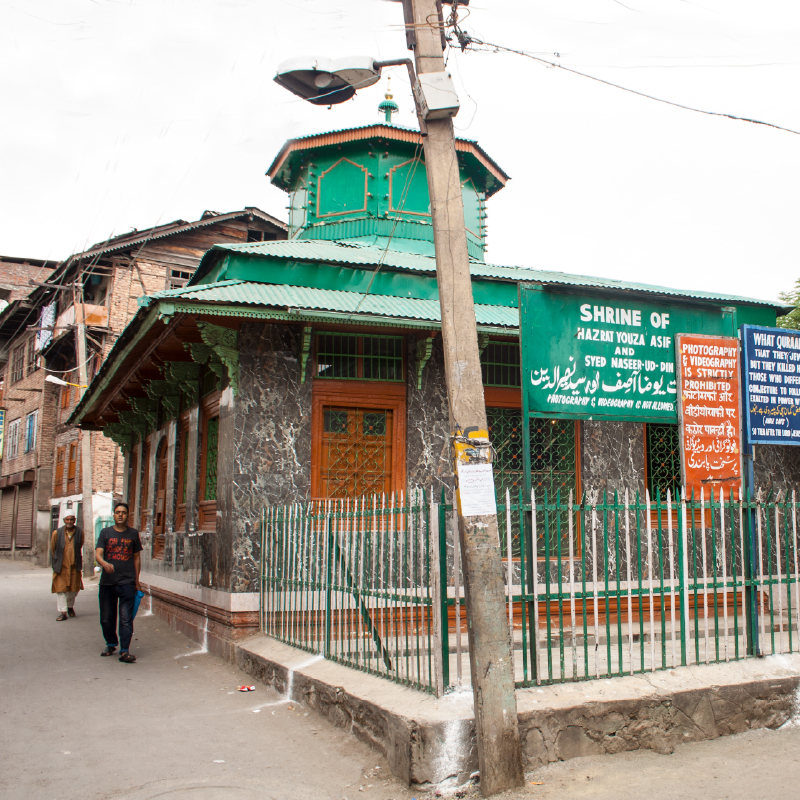
In 1899, Mirza Ghulam Ahmad, the founder of the Ahmadiyya movement,1 claimed in his book Masih Hindustan-mein (Jesus in India) that Jesus did not die on the cross. Instead, he said, Jesus traveled to India under the name Yuz Asaf2 and was eventually buried at the Roza Bal Shrine in Kashmir. Others have claimed that Jesus chose Kashmir because some believe the Kashmiri people are descended from the ten lost tribes of the northern kingdom of Israel.3

These claims have drawn many pilgrims and curious visitors to Srinagar, the capital of the Union Territory of Jammu and Kashmir. They come to Roza Bal searching for what they believe may be Jesus’ tomb. Local Muslim residents were disturbed by the constant stream of visitors, and the shrine’s caretakers eventually banned foreigners from entering.

In fact, some Muslims say that the stories about Jesus in Kashmir are merely a tourism-driven myth that misleads visitors. Christian scholars have also rejected the claim that Jesus was buried at Roza Bal. These legends about Jesus’ supposed journey to India show how little many people know about the true life of Christ.

1 The Ahmadiyya movement was founded in British India in 1889. It is an Islamic movement, though many mainstream Muslims regard it as outside orthodox Islam.

2 “Yuz” is said to refer to Jesus, while “Asaf” means gatherer, collector, or harvester.

3 This refers to the ten tribes of the northern kingdom of Israel, who were conquered and exiled by Assyria and later scattered among the nations.

Prayer

Heavenly Father, we ask You to open the eyes of the people of Kashmir. May they come to know Jesus not through legends, but according to His true identity: the Son of the living God, who came into the world as a man, died on the cross, and accomplished salvation, longing to restore humanity’s relationship with God. Send workers to help the people of Kashmir see Jesus Christ with their own eyes and be touched by Him. May they long for the Savior who was, and is, and is to come—the true Savior. In the name of Jesus Christ our Lord, Amen.

A Contest Over Quotas

The Scheduled Tribes of Jammu and Kashmir

12Aug

Many of these communities have historically faced discrimination and lived in remote areas, often leading nomadic lives. They have also faced challenges such as low literacy rates, early marriage, children dropping out of school, economic hardship, and limited access to modern skills. Today, under India’s Constitution, they are eligible for special support and benefits, including reserved places in higher education and government employment.

In the former State of Jammu and Kashmir, now divided into the Union Territory of Jammu and Kashmir and the Union Territory of Ladakh, the tribal population is estimated to be relatively high. In the 2001 census, Scheduled Tribes made up 10.9% of the state’s population.

The Scheduled Tribes system was originally created to improve the living conditions of disadvantaged communities. Yet the creation, classification, and benefits attached to this status have also deepened ethnic tensions in India and created more complex problems. For example, some people from other sub-castes have allegedly claimed to be Gadda Brahmins in order to apply for quota benefits from local authorities. In Northeast India, disputes over tribal status have even led to ethnic conflict.


The 16 Scheduled Tribes of Jammu and Kashmir

Eight tribes of Ladakh:

Balti, Beda, Boto/Bodh, Brokpa, Changpa, Garra, Mon, Purigpa

Four tribes of Jammu and Kashmir:

Gujjar, Bakarwal, Gaddi, Sippi

Four tribes added in 2024:

Gadda Brahmin, Koli, Paddari Tribe, Pahari Ethnic Group

Prayer

Heavenly Father, may every tribe in Kashmir have Your children among them—people whose faithful witness makes them people of peace, drawing others to You. The time is coming when You will gather all peoples and nations to see Your glory. May that time come quickly. May all the Scheduled Tribes of Kashmir, whether large or small in number, be led by the Holy Spirit to believe in You and walk with all peoples of the earth on the true path of knowing You. In the name of Jesus Christ our Lord, Amen.

Seeking Purity of Heart

The Balti People

Approximately 51,918 people | Islam 96.91%, Christianity 0–0.1%

13Aug

The Balti people are of mixed Dardic1 and Tibetan descent. In the fourteenth century, under the influence of the Sufi saint Mir Sayyid Ali Hamadani from Iran, the Balti turned from Bon and Tibetan Buddhism to the Noorbakshia school of Sufi Islam.2 Even so, they retained many ritual features from Bon and Tibetan Buddhism. Today, the Balti mainly follow Shia Islam, Noorbakshia Islam, and Sunni Islam.

The Balti consider daily recitation of the Quran to be deeply auspicious. They also value gathering for worship in Sufi khanqahs, where they seek spiritual growth. Under the guidance of a spiritual teacher, Sufi students pursue tazkiah, or purification of the heart and soul, through practices such as meditation and contemplation.

Balti culture reflects the influence of both Tibetan Buddhism and Islam. In historic mosques and Sufi khanqahs, one can still see the Bon symbol yungdrung—the ancient swastika, associated with auspiciousness and eternity—carved into wooden panels.

1 Dardic peoples are ethnolinguistic groups found from northwestern India to eastern Afghanistan, with the largest concentration in Pakistan’s Gilgit-Baltistan region and smaller communities in Jammu and Kashmir.

2 Noorbakshia Islam is a branch of Sufi Islam known for its emphasis on Muslim unity, practiced mainly in Pakistan’s Baltistan region.

A Balti Village—Turtuk

Prayer

Heavenly Father, the fruit of the Spirit is love, joy, peace, patience, kindness, goodness, faithfulness, gentleness, and self-control. These beautiful spiritual qualities are available to all who trust in the Lord God. As the Balti people seek spiritual growth, may they hear the gospel and come to know that You want to give them a new heart, place a new spirit within them, and renew them. May they receive the gospel and be united with You through the Holy Spirit. In the name of Jesus Christ our Lord, Amen.

Wandering Singer-Performers

The Beda People

Approximately 420 people | Tibetan Buddhism 68%, Islam 19%

14Aug

The Beda are considered one of the lowest-status groups in Ladakh. Traditionally, they traveled from place to place, singing and performing in public spaces or near people’s homes. Men played instruments such as flutes, drums, or tambourines, while women danced to the music, receiving what people gave them in return. They also performed at occasions such as planting ceremonies, childbirth celebrations, and weddings.

In recent years, because earnings from performance have been meager, many Beda have taken other jobs when they are not performing, working as taxi drivers, tour guides, construction laborers, and in other forms of work.

Because of their itinerant performing and begging, the Beda have often been looked down upon. At social or religious gatherings, they are frequently seated in less honored places and are expected to bring their own utensils, because others are unwilling to use utensils that Beda people have used. Lacking dignity and respect, many Beda have given up their traditional work as wandering performers. Yet even after changing occupations, they still struggle to escape deep-rooted social stigma and taboos.

Most Beda practice Tibetan Buddhism, but in recent decades, many have converted to Islam. Some believe that changing one’s faith may bring a chance to change one’s fate. Compared with Buddhist Beda, Muslim Beda are said to live relatively more stable lives.

Prayer

Heavenly Father, Your great works are beyond searching out, and Your wonders are without number. You set the lowly on high and lift those who mourn to a place of safety. May the Beda people not look down on themselves because of their low social status. May they not lose hope because of deep-rooted social stigma and taboos. We pray that the gospel of Jesus Christ would come to the Beda people, freeing them from the bondage of the past. May they lay aside the old self, live with Christ dwelling in them, and walk as new creations. In the name of Jesus Christ our Lord, Amen.

Tibetan Roots in Ladakh

The Boto / Bodh People

Approximately 91,495 people | Tibetan Buddhism 98.67%, Christianity 0.1–2%

15Aug

The Boto are a small Buddhist community in Ladakh. They are ethnically and linguistically related to the Tibetan people and follow the Drukpa Kagyu school of Tibetan Buddhism.1 Their major festivals include Losar, the Tibetan New Year, as well as observances marking the Buddha’s birth, enlightenment, and parinirvana.

The Boto are mainly farmers and herders. They are skilled at weaving sweaters, gloves, hats, and socks, and they also sell natural spices, wood carvings, and other goods. Their region is rich in natural resources, including world-renowned sapphires, medicinal plants, and minerals.

Ladakh’s growing tourism industry has brought the Boto new economic opportunities. Boto women hold relatively high status: they have inheritance rights, participate in economic activity, manage household finances, run their own businesses, and work in white-collar jobs. Nearly half of the Boto have received some form of education, and literacy rates are gradually rising. Those with higher education often work in government departments or use government subsidies to move into more modern sources of income.

1 Drukpa Kagyu is a branch of the Kagyu school, or “White” school, of Tibetan Buddhism. Founded in the twelfth century, it emphasizes strict discipline and ascetic practice, and is the state religion of Bhutan.

Prayer

Heavenly Father, make a way in the wilderness and desert of Ladakh. Fill every valley, make every mountain and hill low, let the uneven ground become level, and the rough places become a plain. May Your word enter quickly, filling every mountain and valley with power. Remove everything in the hearts of the Boto people that stands against You. When Your glory is revealed, may the Boto see it together. May they be enlightened and drawn by Your light, and may they turn back and believe in You. In the name of Jesus Christ our Lord, Amen.

Crowned by Nature

The Brokpa People

Approximately 48,439 people | Primarily animism and Tibetan Buddhism

16Aug

The Brokpa people are known for their distinctive appearance: high cheekbones, tall stature, deep brown or hazel eyes, fair skin, and, in some cases, blond hair. According to local legend, they are descended from soldiers left behind by Alexander the Great. Because of this, they have sometimes been described as one of the last surviving “Aryan” communities. Their long isolation has helped preserve many features associated with their ancestors.

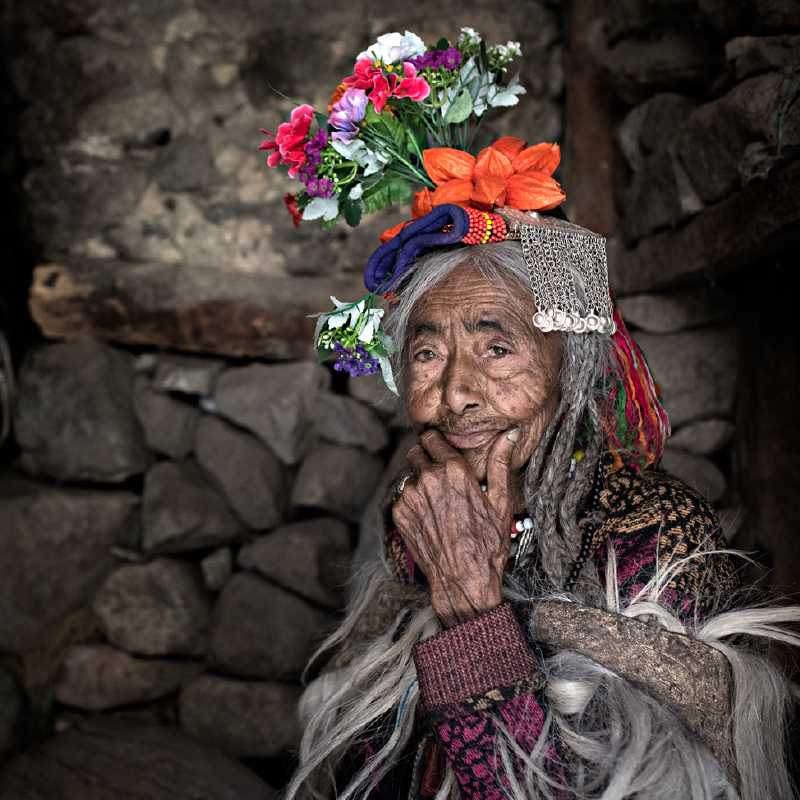
The Brokpa regard mountains, rivers, trees, flowing water, and flowers as pure. Every household grows flowers, and both men and women like to adorn their traditional tepi headdresses with fresh flowers, berries, and leaves. Brokpa women often braid their hair and decorate it with pearls and beads. They also weave woolen clothing with beautiful embroidered patterns. Their cloaks may be decorated with medals, buttons, coins, bones, and badges, all of which symbolize status and cultural pride.

Minaro is the traditional religion of the Brokpa. It centers on the worship of celestial bodies such as the sun and stars, and holds that all things have spirits. Today, however, most Brokpa follow Tibetan Buddhism. In their mountain villages in Ladakh, many small temples can be found. As people pass by, they turn prayer wheels; across the mountains and bridges, brightly colored prayer flags flutter in the wind.

The Brokpa People of Ladakh

Prayer

Heavenly Father, the Brokpa people love flowers. May they hear the words of Scripture: that the lilies of the field grow without laboring or spinning. As they marvel at the beauty of creation, may they trace all things back to You, the source of all creation. Scripture also says that the grass of the field is here today and thrown into the fire tomorrow, yet God still clothes it with such beauty. May the Brokpa give thanks for all that God has richly given them, and may they come to know that God has prepared Jesus Christ for them. May they receive Jesus and join all peoples in praising God. In the name of Jesus Christ our Lord, Amen.

Threads of Soft Gold

The Changpa People

Approximately 2,661 people | Tibetan Buddhism 88.99%, Christianity 0.1–2%

17Aug

The Changpa originally lived on the Changtang Plateau in northern Tibet. In the past, they moved freely between India and Tibet. After the border was closed, however, the Changpa were forced to migrate to the high-altitude cold desert of eastern Ladakh, where they now live a semi-nomadic life. The intense sunlight and ultraviolet exposure at high elevations have led many Changpa to develop pterygium, an eye condition.

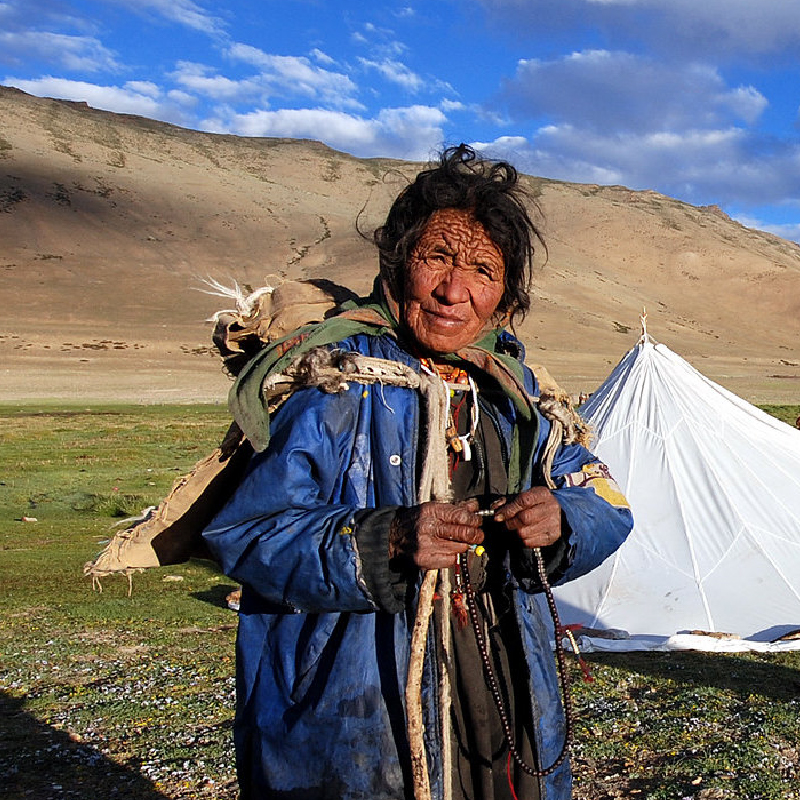
The Changpa’s lives are closely tied to their yaks and Changtang goats. On the plateau, they carry their conical yak-hide rebo tents, and migrate from place to place under the leadership of the goba, or village headman. The Changtang goat produces pashmina, one of the softest, finest, warmest, and lightest types of cashmere in the world. Because of its quality and high value, pashmina is the Changpa’s most precious possession and their most important good for bartering with nearby villages.

The Changpa are Tibetan Buddhists. In their tents, they worship the family deity Donaq and hang portraits of their spiritual leader, the Dalai Lama. They also believe deeply in Bon traditions, including the spirit deity lha and serpent spirits known as lhu.

The Life of the Changpa

Prayer

Heavenly Father, the Changpa dwell in the high mountains and remote places of the earth. May Your workers overcome every obstacle and bring the gospel to them, so that in their desolate landscape they may come to know You and receive You through Your word. Father, from Your dwelling place in heaven, You look down upon the earth. Surely You see the Changpa and observe all their ways. May You bless and protect them, and provide for their needs. When the Changpa look up at the sky, may the Holy Spirit give them understanding to see the creation of the Heavenly Father and give glory to You. In the name of Jesus Christ our Lord, Amen.

No Longer Blacksmiths

The Garra People

Approximately 504 people | Tibetan Buddhism 59%, Islam 28%, Christianity 0%

18Aug

The Garra are a small ethnic minority in Ladakh whose traditional occupation was blacksmithing. They forged iron, made gold objects, and repaired metal items for the Ladakhi people, receiving food and grain in return. Traditionally, artisan communities were considered low-status and were often marginalized by more powerful social groups.

Modern changes have transformed Garra life. The old blacksmiths’ traditional methods can no longer keep pace with the machines of a new era. Younger generations have received education and are unwilling to follow the traditions of their elders. Many young Garra no longer want to be tied to an inherited trade, and the community’s blacksmithing tradition is now at risk of fading away.

Most Garra practice Tibetan Buddhism and celebrate all Buddhist festivals. Their religious rituals and celebrations still retain Bon influences, such as the wearing of mysterious and awe-inspiring masks, or lamas entering trance-like states to prophesy to worshipers.

Today, there are no known Christians among the Garra. Social barriers between higher and lower status groups, as well as between ethnic communities, have hindered the spread of the gospel.

Prayer

Heavenly Father, from one person You made all the nations. You determined their appointed times and the boundaries of where they would live, so that they might seek You. May Your workers find the Garra people and share the gospel with them, so that they may come to seek You. Though the Garra are few in number, often excluded, and regarded as lowly, You do not see as people see. You look at the heart. May the Garra simply believe that You are not far from them. May they rest in the arms of Jesus, the Great Shepherd, and receive eternal life. In the name of Jesus Christ our Lord, Amen.

Songs from the Margins

The Mon People

Approximately 829 people | Tibetan Buddhism 58.25%, Christianity 0.1–2%

19Aug

The Mon are one of the smallest ethnic communities in Ladakh. According to their own oral history, they have roots connected to early Aryan groups. After facing oppression, they migrated into the Himalayan region and eventually settled in Ladakh.

In the past, the Mon’s traditional occupation was flute playing. They sang and performed music mainly for high-ranking officials and senior lamas in monasteries. During the winter, when there was less agricultural work in the fields, they sang myths and traditional epics for the public, combining folk songs and musical performance to tell stories of their people’s migration, rural life, spirituality, and faith.

The early Mon practiced Bon and later adopted Tibetan Buddhism. However, because they made their living as performers, they held low social status and were not allowed to become lamas.

Several years ago, the Mon worked to change the way Ladakhi Buddhists viewed them. When the Fourteenth Dalai Lama visited the region, representatives of the Mon and other groups raised the issue of social discrimination with him. The Dalai Lama urged people to stop discriminating against them. Even so, the negative attitudes of ordinary Ladakhi Buddhists toward the Mon have not changed much.

Prayer

Heavenly Father, the Mon are a small minority within Ladakh. Because they have made their living as performers, they have held low status and have often been looked down upon. Yet the You, O Lord, are rich in mercy. Your eyes search throughout the whole earth, and You see people as precious. May the Mon be touched by the Holy Spirit. May they see the kindness You have shown to the world in Christ Jesus and receive it with joy. In the name of Jesus Christ our Lord, Amen.

A Festival in the Heart of Winter

The Purigpa People

Approximately 39,101 people | Islam 87%, Tibetan Buddhism 10%, Christianity 0–0.1%

20Aug

The Purigpa live in Ladakh’s Kargil district and in Pakistani-administered Gilgit-Baltistan. Historically, Kargil was known as Purig, a name derived from Tibetan, and Purigpa means “people who live in Purig.” They are believed to be a mixed people formed over time through the blending of Tibetan and Dardic1 communities.

Most Purigpa follow Twelver Shia Islam, the largest branch of Shia Islam. This faith was brought to the region by missionaries from Baltistan and Kashmir in the fifteenth and sixteenth centuries.

From December 21 to January 21, during the coldest part of winter, the Purigpa take part in Mamani, a community ethnic food festival. People prepare traditional dishes such as grain soup, leavened bread, buckwheat cakes, yogurt, and meat broth. They set out feasts and hold cooking competitions.

Mamani originally began as a ritual honoring Lha, a Bon spirit deity, and the ancestors. Today, it has developed into a traditional community celebration that preserves culture, promotes ethnic harmony, and is also presented as a form of cultural tourism to attract visitors.

1 Dardic peoples are ethnolinguistic groups found from northwestern India to eastern Afghanistan, with the largest concentration in Pakistan’s Gilgit-Baltistan region and smaller communities in Jammu and Kashmir.

The Mamani Food Festival

Prayer

Heavenly Father, Your name is most holy. May all the peoples of the earth come under Your name and honor You alone as God. Send workers quickly to Kargil in Ladakh to sow the seeds of the gospel among the Purigpa. When the Purigpa hear the gospel, may they treasure it deeply. May each person be like good soil, so that the gospel seed grows strong and bears fruit. May the Purigpa understand the mysteries of the kingdom of heaven and become people of peace. May they spread the good news of Jesus widely among their own people and draw others to the Lord. In the name of Jesus Christ our Lord, Amen.

Steeped in Tradition

The Gujjar People

Approximately 980,654 people | Islam 100%, Christianity 0–0.1%

21Aug

The Gujjar are the third-largest ethnic group in Jammu and Kashmir and the most populous of Kashmir’s Scheduled Tribes.1 They share common ancestry, language, religion, and cultural customs with the Bakarwal people, and the two are often regarded as one community.

The Gujjar are divided into two subgroups: the Jamindars, who are settled farmers, and the Dodhi, who are nomadic pastoralists. Most Gujjar practice Sunni Islam. Men commonly wear small caps or turbans. They are devout in their faith, following traditional Islamic customs within a strict clan system and a culture that places great value on communal life.

The Gujjar live in high-altitude areas where transportation is limited, and severe weather can cut them off from the outside world, leaving them short of supplies. Their situation is also hard to improve because an aging population, low literacy rates, and few are aware of the government welfare programs and subsidies available to them.

1 Scheduled Tribes are among the most socioeconomically disadvantaged groups officially recognized by the Indian government. They receive special constitutional protections, including reserved places in education and public employment.

Prayer

Heavenly Father, raise up gospel workers filled with wisdom and power to overcome many obstacles and proclaim the good news of Jesus Christ to the Gujjar people. May the Holy Spirit blow like wind among the Gujjar and ignite in them, like a flame, a longing to know the Lord God. May they understand the mysteries of the kingdom of heaven and receive them with joy. May You show the Gujjar the path of life, so that they may find fullness of joy in Your presence, and may their tongues rejoice as they rest securely in the hope You give them. In the name of Jesus Christ our Lord, Amen.

Shepherds on Weary Feet

The Bakarwal People

Approximately 113,198 people | Islam 98.66%, Christianity 0–0.1%

22Aug

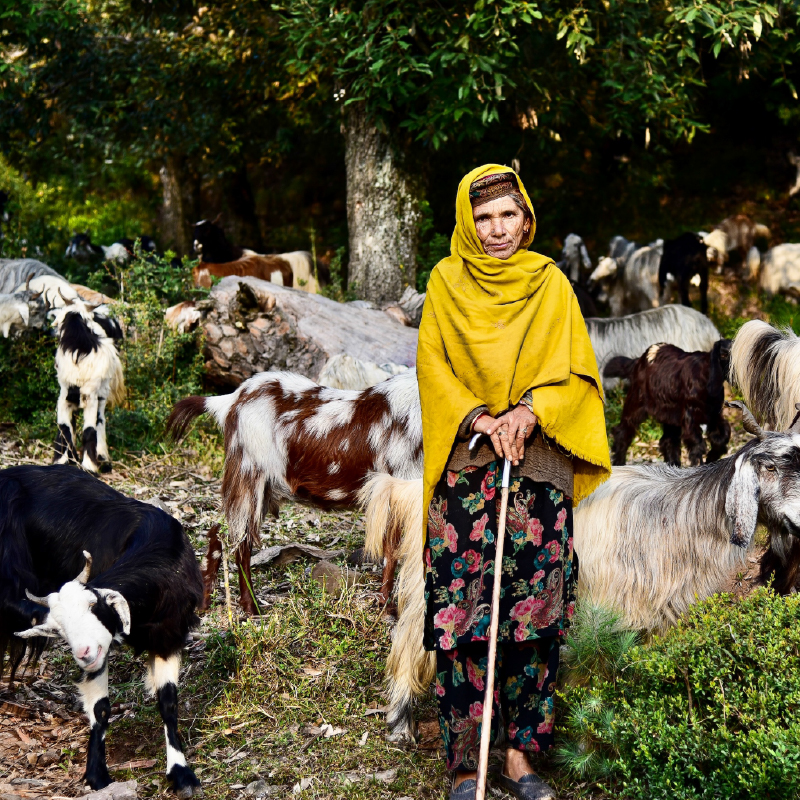
The Bakarwal are a branch of the Gujjar people. In the Gojri language, “Bakarwal” means “shepherd.” They graze their flocks in Kashmir during the summer, and when October comes, they return to the plains of Jammu to spend the winter. Because they move in search of water and pasture, they have no fixed home.

For many years, the Bakarwal have held firmly to their traditions. They wear traditional clothing, wrap their heads in turbans, and grow beards, paying little attention to new things or to the changes of a new era. Despite harsh weather, the challenges of herding, limited income, and few skills beyond pastoral work, many Bakarwal continue to hold to their traditional nomadic way of life, living in simple tents.

In recent years, changes in Indian government policy have had a major impact on the Bakarwal. For example, in 2019, the central government reorganized Jammu and Kashmir State as a union territory. Many laws and regulations changed as a result, preventing the Bakarwal from building their traditional shelters, known as Kothas, in the forests.

In 2023, the government added the Pahari Ethnic Group and others to the category of Scheduled Tribes. This sparked dissatisfaction among the Bakarwal, who feared that the inclusion of new tribal communities would reduce the government support available to them. These pressures of a changing era have led the Bakarwal to reflect on why their people have become so marginalized.

Prayer

Heavenly Father, the Bakarwal often move with their flocks in search of water and pasture. As they follow this seasonal rhythm of herding, may they see Your creation and provision in the natural world. Open their eyes to know that the God who created the heavens and the earth is full of love and grace, and may they give glory to You. May You move the hearts of the Bakarwal, and when they encounter gospel workers, may they be willing to know Jesus, the Great Shepherd. Draw them to Yourself, bring them into Your sheepfold, and let them rest safely in Your arms as sheep of Your pasture. In the name of Jesus Christ our Lord, Amen.

Nomadic Life

The Gaddi People

Approximately 46,489 people | Hinduism 99.85%, Christianity 0–0.1%

23Aug

The origins of the Gaddi people remain a mystery. According to mythological traditions recorded in the tribal ethnographies of Jammu and Kashmir, the god Shiva granted them the right to rule, known as gaddi, allowing them to live in and govern a certain region. The Gaddi then chose to settle in the mountainous area of Bharmour in Himachal Pradesh. Later, they migrated to Jammu and Kashmir and adopted “Gaddi” as their ethnic name.

Today, the Gaddi are a nomadic tribe who move with their flocks throughout the year in search of water and pasture. In summer, they migrate to higher elevations and build temporary shelters. In winter, when they move down to lower elevations, they leave these shelters behind. During their migrations, they sell wool, sheepskins, and mutton. They also spin wool into yarn and make blankets to supplement their income.

Most Gaddi practice Hinduism and are divided into many different branches. These branches are further divided into different social ranks according to lineage, whether Rajput or Brahmin. Overall, however, the Gaddi still hold a low position in Kashmiri society, and women’s status is even lower. The Gaddi live in poverty, literacy rates are low, and their traditional herding lifestyle makes it difficult for them to receive stable education. In order to improve their status, the government has designated them as a Scheduled Tribe.1

1 Scheduled Tribes are among the most socioeconomically disadvantaged groups officially recognized by the Indian government. They receive special constitutional protections, including reserved places in education and public employment.

Prayer

Heavenly Father, You are the God who shows no favoritism. In every nation, those who fear You and do what is right are accepted by You. May the Gaddi know that You search the human heart. What You value is not a person’s social status, level of education, wealth or poverty, lineage, or caste, but a life that does justice, loves mercy, and walks humbly with You. May they know that loving God and loving others is the greatest commandment. When the Gaddi come to know this, may they leave everything behind and run with joy into the arms of Jesus, the Great Shepherd, receiving the blessing and joy of eternal life. In the name of Jesus Christ our Lord, Amen.

Helpers in Wool and Worship

The Sippi People

Approximately 5,966 people | Hinduism 99.67%, Christianity 0–0.1%

24Aug

The name “Sippi” may come from Sanskrit and mean “craftsperson” or “tailor.” The Sippi belong to a low caste. Many Sippi say the name is connected to Shiva, meaning that they are helpers of the deity, though this explanation is generally regarded as an attempt to raise their social status.

The Sippi and the Gaddi have a close relationship and help one another. The Gaddi herd sheep, while the Sippi collect the wool provided by the Gaddi, clean it, spin and dye the yarn, and then weave it on wooden looms into blankets, ropes, clothing, and other goods. They have done this same work for generations. The Sippi are skilled with their hands. Among their woven products are the Dora, a coarse woolen sash worn around the waist by Gaddi men during ceremonies, and the Gardu, a large handwoven blanket.

In addition to their craftsmanship, the Sippi also play a role in purification rites connected with Shiva worship. When the Gaddi go on pilgrimage to the legendary dwelling place of Shiva,1 the Sippi perform rituals and rites for them. Because of this, the Sippi hold an important place in Gaddi society.

1 Manimahesh Lake in the Chamba region, at an elevation of 4,080 meters.

Prayer

Heavenly Father, You created the universe and all things. You are Lord of heaven and earth, and You do not live in temples made by human hands. Nor are You served by human hands, as though You needed anything. Instead, You give life and breath to all people. We thank You, and ask You to open the hearts of the Sippi. May they encounter gospel workers, hear the good news, and come to know the holiness and righteousness of God. May they understand that grace comes from You. May they turn back and believe in You, looking to You for provision and mercy. In the name of Jesus Christ our Lord, Amen.

A Hard-Won Status, a New Fear

The Gadda Brahmin People

25Aug

Traditionally, the Gadda Brahmin have served as priests for the Gaddi, Sippi, and Koli communities, presiding over various Hindu rituals. This community numbers fewer than 100,000 people in the Union Territory of Jammu and Kashmir. They live in poverty, especially those in mountain communities who live alongside the Gaddi and Sippi, and they urgently need government assistance.

The Gadda Brahmin have long hoped to be included among the Scheduled Tribes. Without this certification, they could not access subsidies or reserved places in public employment and education. In the past, because revenue records in Jammu and Kashmir did not include their caste name, local administrators were unwilling to issue them Scheduled Tribe certificates. After finally receiving this recognition in February 2024, however, they became concerned that people from other communities might falsely claim Gadda Brahmin identity and dilute the benefits meant for them.

Prayer

Heavenly Father, may the Gadda Brahmin hear the gospel and have their hearts opened by You. May they pay attention to Your word, be instructed in Your way, and come to know that in Christ Jesus there is no condemnation, and that they have been set free from the law of sin and death. May the day come when the Gadda Brahmin are united with all the saints by the same Spirit and cry out, “Abba, Father!” We ask You, Heavenly Father, to send gospel workers to meet the many needs of the Gadda Brahmin, bringing practical help in areas such as livelihood, education, and medical care. Even more, may these workers bring them the spiritual food of life, the gospel of Jesus Christ, so that the Gadda Brahmin may receive true peace. In the name of Jesus Christ our Lord, Amen.

Slow Living in the Valley

The Koli People

26Aug

The Koli are a Kshatriya caste community found mainly in the Indian states of Gujarat and Maharashtra, as well as in Pakistan’s Sindh province. Their classification varies by region. In Himachal Pradesh and Uttarakhand, they are regarded as an upper caste, but in Jammu and Kashmir, where their economic conditions are more disadvantaged, the Koli are listed as a Scheduled Tribe.1

The Koli of Kashmir live in small villages surrounded by mountains. They make their living through farming, fishing, and weaving, and lead a simple life close to nature. Their communities value collective decision-making, close relationships, and mutual help. Elders hold a respected place in the community, guiding the younger generation with wisdom and experience.

The Koli celebrate many festivals. They enjoy gathering together to sing, dance, and pray to their deities. Koli folk music and dance are well known, especially the fishermen’s dances of the Koli communities in Maharashtra and Goa.

The Koli mainly practice Hinduism, including those in Jammu and Kashmir. However, some Koli in Maharashtra are Christians. A small number of Koli in Punjab and Pakistan’s Sindh province are Sikhs, and some have converted to Islam.

1 Scheduled Tribes are among the most socioeconomically disadvantaged groups officially recognized by the Indian government. They receive special constitutional protections, including reserved places in education and public employment.

Prayer

Heavenly Father, we thank You that before the ages began, You predestined us for glory and revealed Your mystery to us through the Holy Spirit — the mystery of Christ. May the Koli also receive this blessing from heaven. May they come to know Christ, God manifested in the flesh, who died and rose again, and who is the rich expression of God and His redemption. May the Christians among the Koli be moved by You and set ablaze with zeal. May they eagerly bring the gospel to their own people, and may the beautiful footsteps of those who bring good news reach every Koli household in Kashmir. In the name of Jesus Christ our Lord, Amen.

A Recognition Fifty Years in the Making

The Paddari Tribe

21,548 people | Hinduism 83.6%, Buddhism 9.5%, Islam 6.8%

27Aug

In 1975, the Pangi people of Himachal Pradesh were recognized as a Scheduled Tribe,1 raising hopes among the Paddari Tribe of Jammu and Kashmir that they might receive the same recognition. The Paddari live in the remote and rugged Paddar region. Believing that they migrated from the Pangi people and share a common history and culture with them, the Paddari argued that they too should qualify as a Scheduled Tribe. Their long campaign finally succeeded in 2024.

When the Paddari Tribe was listed as a Scheduled Tribe, however, they faced opposition from the Pahari ethnic group, the Gujjar, the Bakarwal, and others. Opponents argued that the Paddari are made up of people from different castes and religions, and that they are not an independent ethnic group but simply people who live in the same geographic area and use a common language. Others believed that recognizing the Paddari as a Scheduled Tribe was a political strategy to win votes.

1 Scheduled Tribes are among the most socioeconomically disadvantaged groups officially recognized by the Indian government. They receive special constitutional protections, including reserved places in education and public employment.

Prayer

Heavenly Father, You commanded light to shine out of darkness, and You have shone in the hearts of Your saints, giving us the light of the knowledge of God’s glory in the face of Jesus Christ. What great grace this is. We ask that Your light would also shine in every corner of Kashmir and among every tribe and people group there. May they live in harmony with one another and lay aside resentment and division. May the Paddari Tribe be enlightened by You. Open and enlighten the eyes of their hearts, and draw them to Yourself. May they know that You show grace to every people and nation and gladly give them eternal life. May You turn Your face toward the Paddari Tribe, so that they may know You are their greatest refuge. In the name of Jesus Christ our Lord, Amen.

Pahari- and Pothwari-Speaking Communities

The Pahari Ethnic Group

28Aug

The Pahari ethnic group is made up of more than fifty communities, including upper-caste Muslims, Hindus, and Sikhs, as well as people who migrated across the border from Pakistani-administered Kashmir. Most live along the Line of Control and have long been affected by cross-border firing, war, and terrorist attacks. Though the Pahari communities are diverse, they also share a sense of common identity. In 2024, they were recognized as a Scheduled Tribe1 on the basis of their shared identity as Pahari- or Pothwari-speaking communities.

The Gujjar and Bakarwal communities were dissatisfied with the Pahari ethnic group’s recognition as a Scheduled Tribe. They argued that the Pahari communities are upper caste, relatively well-off, not disadvantaged, and not truly a tribal group. They also noted that the Pahari communities had already received benefits as an Other Backward Class (OBC/OSC)2 in 2020. The Gujjar and Bakarwal worried that the inclusion of the Pahari communities would dilute the Scheduled Tribe benefits they had previously received from the government and change the local political landscape in Kashmir.

1 Scheduled Tribes are among the most socioeconomically disadvantaged groups officially recognized by the Indian government. They receive special constitutional protections, including reserved places in education and public employment.

2 Other Backward Classes are groups identified by the Indian government as socially and educationally disadvantaged, apart from the Scheduled Castes and Scheduled Tribes.

Prayer

Heavenly Father, the definition of Scheduled Tribes has caused many disputes in India. May those who govern India have wisdom to handle the conflicts and tensions between ethnic communities. May the Pahari people know that anyone who is in Christ is a new creation: the old has gone, and the new has come. May they know that this new identity as the children of God is higher and more honorable than every earthly identity. May they be joined to You and receive a new beginning and a new hope. When they face difficulties, may they rely on Your provision and protection. In the name of Jesus Christ our Lord, Amen.

Singing a Shepherd’s Song

The Chopan People

Approximately 3,300 people | Islam 100%, Christianity 0–0.1%

29Aug

The Chopan are a small community in Kashmir, living in very remote areas. Because they are so difficult to reach, bringing the gospel to them is a great challenge, and they remain an unreached people today.

The Chopan mainly herd sheep for local farmers. The grazing season lasts about five to six months, and they earn 300 to 350 rupees per sheep, roughly US$3.31 to US$3.87. Because they own no livestock or land of their own, they remain economically disadvantaged. Local councils have passed resolutions to include the Chopan among the Scheduled Tribes, but the government has not approved this recognition. As a result, they cannot receive official subsidies.

The Chopan’s lives are also restricted by various laws and regulations. They are classified as “Other Traditional Forest Dwellers” (OTFD),1 and graze sheep on high-altitude pastures. However, because of flawed implementation by the government, the Chopan have not received formal recognition under the 2006 Forest Rights Act (FRA).2 As a result, they cannot freely gather wood, and when their shelters, known as Kothas, are damaged, they are not allowed to repair them. Some can only take shelter under trees or build simple shelters with tarps.

1 People who have lived in forests for at least three generations and depend on the forest and its land for their livelihood.

2 This law recognizes the rights of forest-dwelling tribal communities and other traditional forest dwellers to use forest resources.

Prayer

Heavenly Father, the Chopan live in poverty and hardship, wandering like sheep without a shepherd. We ask You to provide for their daily needs. Raise up Christians in India to seek out the Chopan. Fill these believers with wisdom and perseverance, so that they will not be afraid of obstacles such as difficult terrain and scattered communities, but will bring the gospel to the Chopan. We pray that the Chopan would be especially moved by the images and parables of Jesus as the Shepherd, the gate for the sheep, and the One who brings His sheep into the fold. May the gospel draw them quickly to faith in You, and may they find rest in the arms of Jesus. In the name of Jesus Christ our Lord, amen. Amen.

From Sojourners to Settlers

Kashmiris in Britain

30Aug

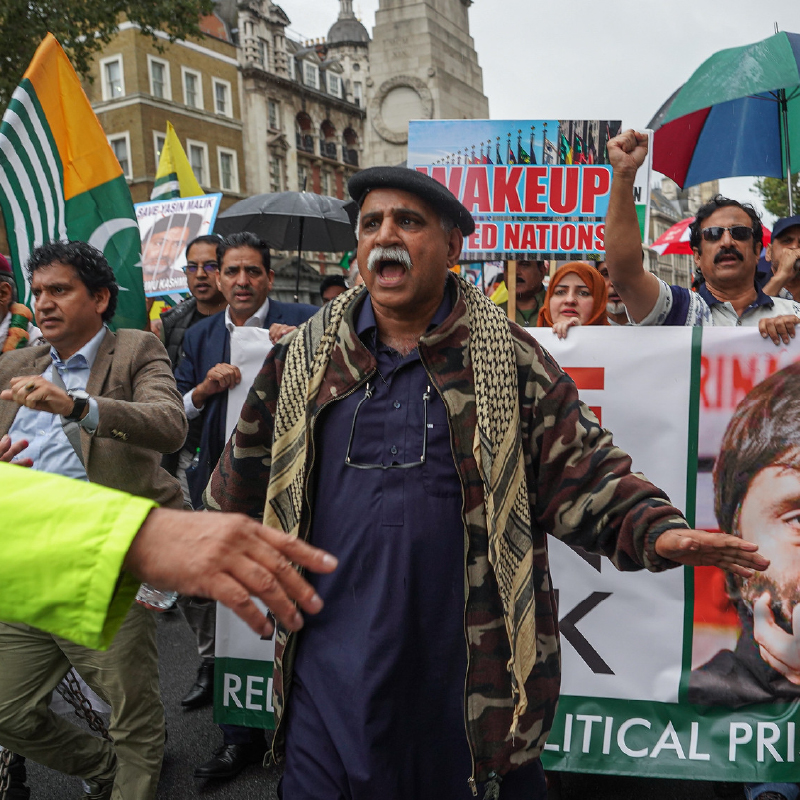
In the late nineteenth century, many shipyard workers from Mirpur,1 then a small farming village in Kashmir, went to Britain to fill local labor shortages. They originally intended to work, earn money, and return home after a few years. Later, however, the Second World War, the construction of the Mangla Dam2 in the 1960s, and changes to British immigration law led many Mirpuris to settle in Britain and bring their relatives to join them. Today, among the estimated one million Pakistanis in Britain, about 700,000 are believed to be Kashmiris, and almost all of them are Mirpuris.

In the past, many British Kashmiris had little knowledge of their own language and cultural heritage. Later, with the publication of Chitka, Britain’s first Pahari/Pothwari-language magazine, the launch of the British Kashmiri satellite television channel AAP TV, and the Kashmir Broadcasting Corporation (KBC) channel, British Kashmiris began to explore their roots.

In recent years, numerous child sexual exploitation cases involving “grooming gangs” have occurred in Britain. Because some perpetrators were British Pakistani men, these cases also drew attention to the presence of Kashmiris in Britain.

1 Mirpur is located in what is now Azad Kashmir, Pakistan.

2 In the late 1950s, the Mangla Dam, built by Pakistan, submerged much of the Mirpur area.

Prayer

Heavenly Father, according to Your plan, when the time reaches its fulfillment, all things in heaven and on earth will be brought together in Christ. What a great blessing this is. May the Holy Spirit move the Kashmiris in Britain and stir them to seek You. May they read Your word in Scripture and come to know this mystery You have ordained. May the churches in Britain reach out to the Kashmiri people and proclaim this good news to them, so that they may know Christ has prepared the way of eternal life for them. In the name of Jesus Christ our Lord, amen. Amen.

Today, let the Holy Spirit lead you. Write your own prayer for Kashmir.

31Aug

Heavenly Father,

In the name of our Lord Jesus Christ, Amen.