We Had a Name for the First Time
A Letter from the Apostle John
Buried So It May Sprout Again
Türkiye has never been simply “another” Muslim-majority country. It is not part of the Arab world, yet for more than six centuries, the Ottoman Empire ruled over vast stretches of the Muslim world across Europe, Asia, and Africa. Türkiye no longer holds the position of leadership it once did, but it continues to see itself as an influential voice in the Muslim world, speaking out for Palestine and taking an active role in issues affecting Muslims in the Middle East, the Balkans, the Caucasus, and Africa.
The country is like a doorway. At the Bosphorus, Asia lies on one side and Europe on the other. This narrow strait divides Istanbul between its European and Asian sides, making it a metropolis that straddles two continents. Its unique geography reminds us not to view this land through a single lens.
Yet beneath the strong Islamic character of Türkiye today lies another, older and deeper layer of its past. This is a land that once witnessed the beautiful feet of those who brought good news, the urgency of apostles defending the truth, the fear of Christians fleeing persecution, and the declaration of an old man before his martyrdom, words that still echo today.
Where the Faith Has Deep Roots
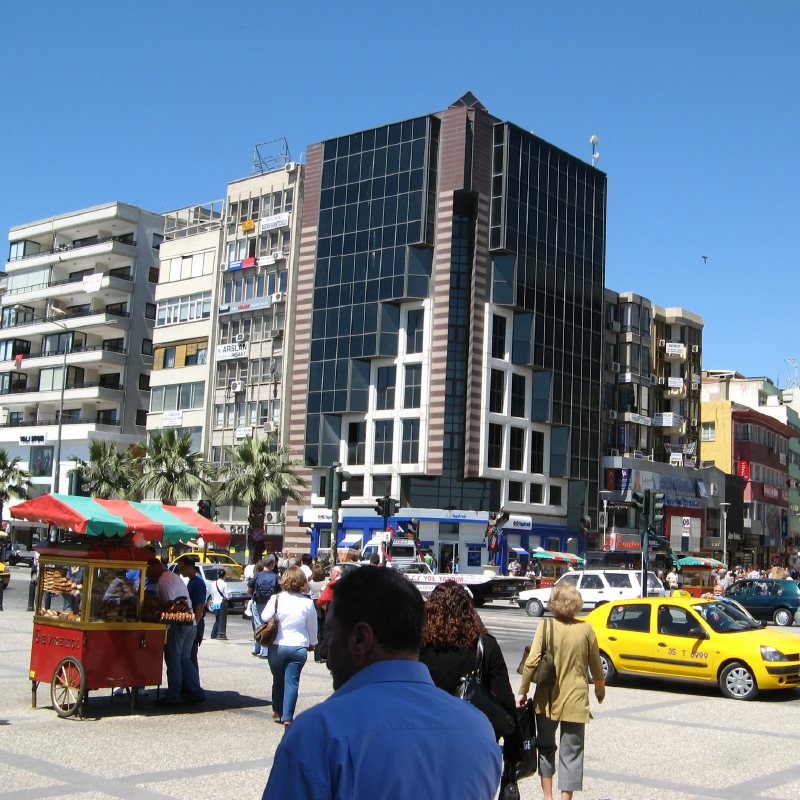
It would be a mistake to think of Türkiye simply as a place in need of the gospel. Take İzmir, for example. While traveling there, you may meet local Christians and find yourself asking, “There are Christians in a country as strongly Islamic as Türkiye? How unusual. How long has your church been here? Which missionary first led you to faith?”
The brothers and sisters you meet might exchange a smile and reply, “The apostle John or Paul, depending on how you look at it. Polycarp, one of our early spiritual forebears, was a disciple of the apostle John, and the lecture hall of Tyrannus, where Paul taught, is only about fifty kilometers from here. And by the way, İzmir was once called Smyrna. It was the church in Revelation that Jesus exhorted to ‘be faithful, even to the point of death.’ We have suffered greatly, and we are still suffering, but we have remained faithful. How long has your church been around?”
Türkiye’s Deep Connection with Christianity
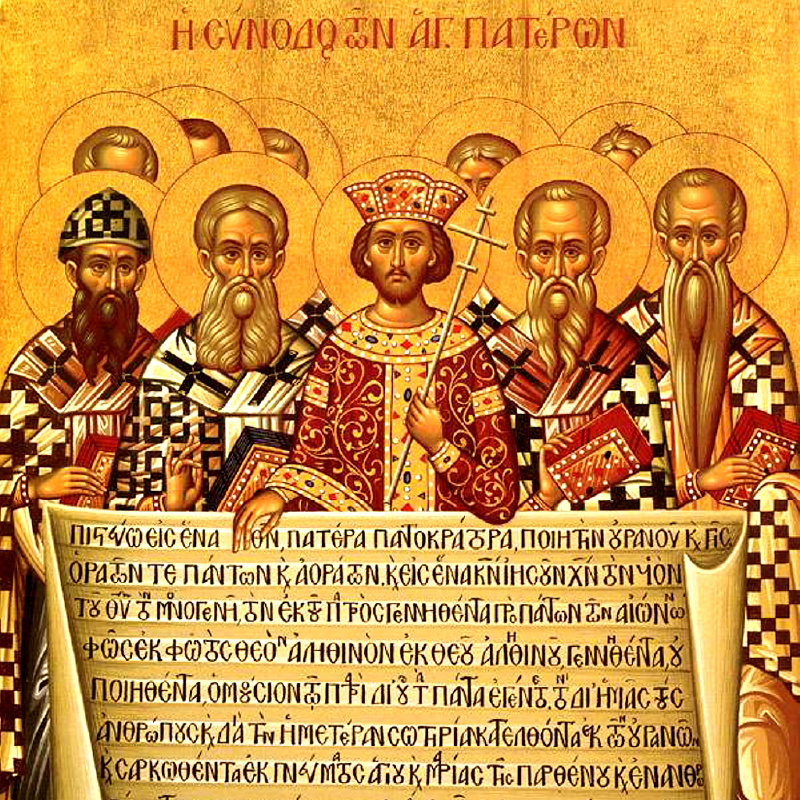
Türkiye is also a land where the Christian faith took shape. All seven of the early church’s major ecumenical councils were held within the borders of present-day Türkiye. Followers of Jesus gathered here to articulate clearly that the Christ we believe in is not merely a great prophet or a moral example, but “true God from true God.” The creeds that generations of Christians would go on to recite were not abstract theological statements. They were shared confessions of faith, gradually forged through debate, persecution, confusion, and worship.
If, even after reading this far, you still find it difficult, as I do, to associate “Türkiye” with “Christianity,” don’t worry. That is perfectly understandable. If we imagine the history of the church in Türkiye as alternating between seasons above ground and seasons underground, then we simply happen to be encountering it in an underground season, much as Christians here have experienced before.
When the Church Worshiped ‘Underground’
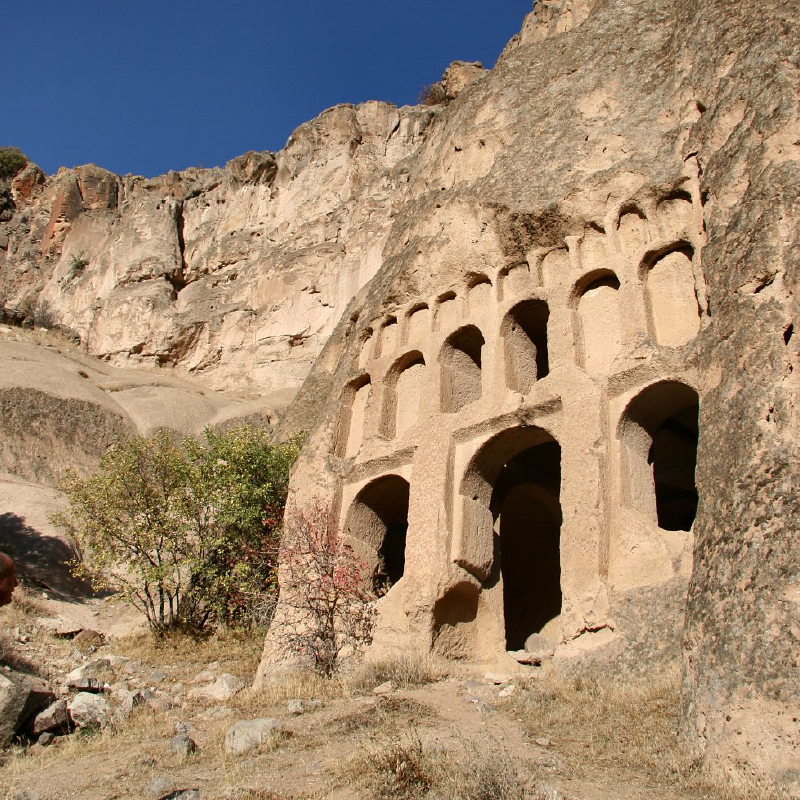
There was a time when hiding was part of life for the church in Türkiye. Christians really did gather beneath the ground to worship God. There were no grand church buildings, no freedom to raise their voices in worship, only hushed sounds echoing softly against walls of stone. Much like today.
Then the church emerged above ground.
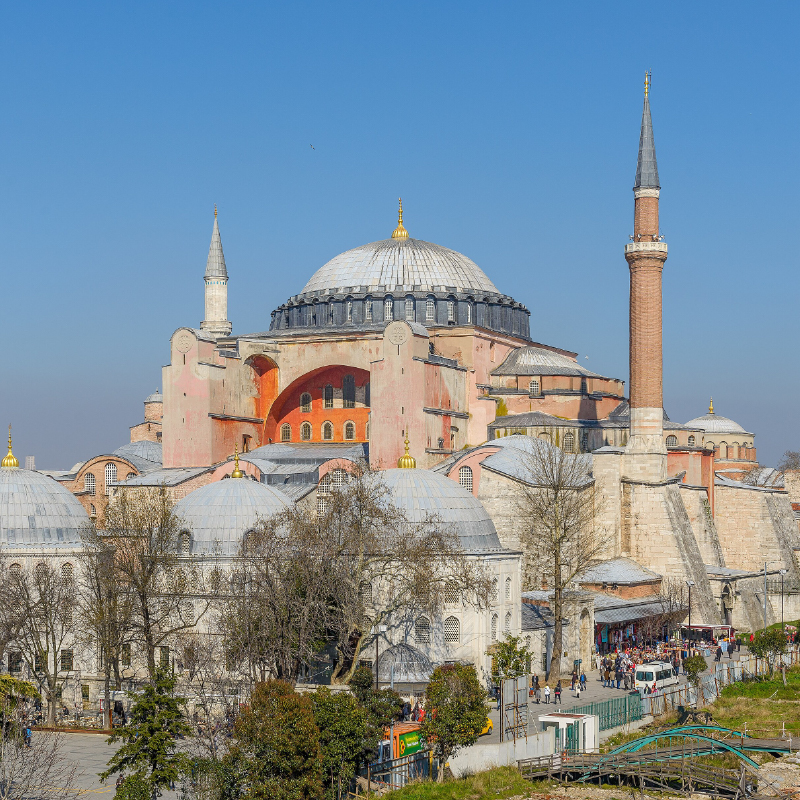
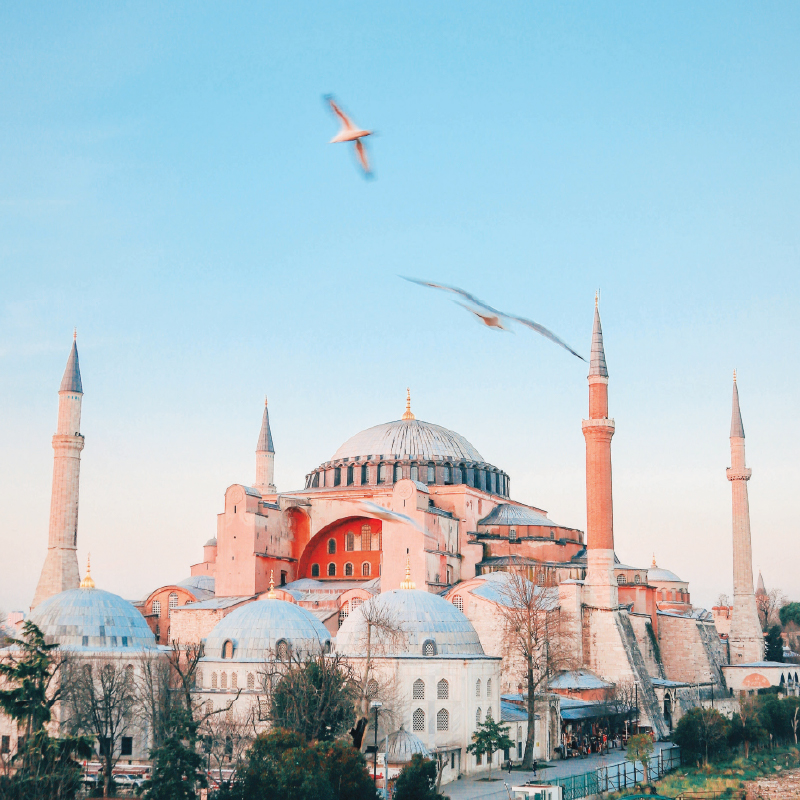
In Constantinople rose magnificent domed churches that still inspire awe today. Christianity moved into the heart of the city, into imperial ceremony and public life. A faith that had once waited quietly underground suddenly stood at the center of the world, with the cross raised high beneath the dome. It was a moment of splendor that could never be recreated, but also one in which the boundaries between faith and power began to blur.
Then history turned again.
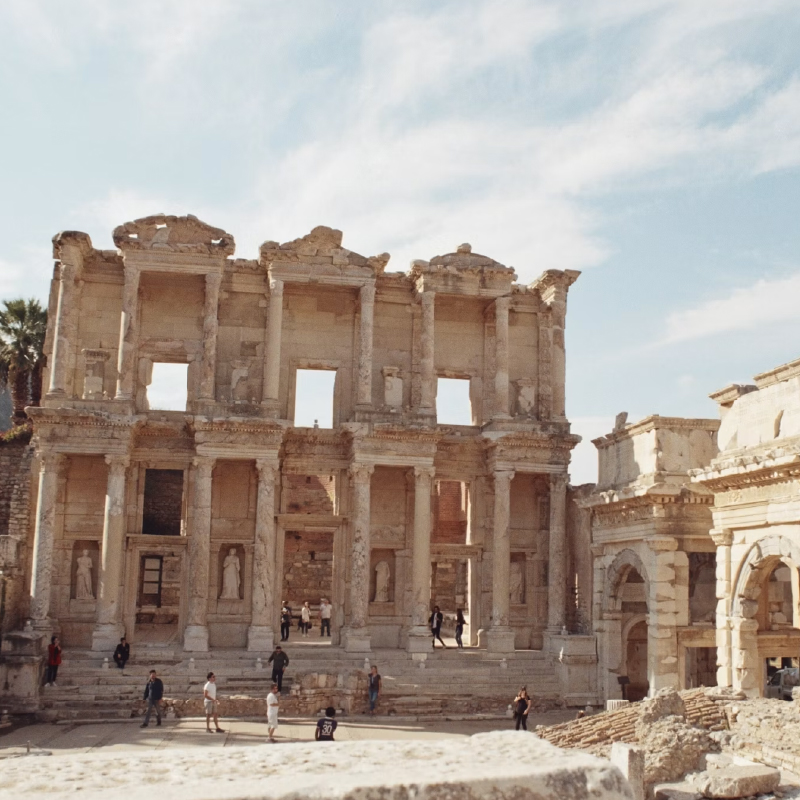
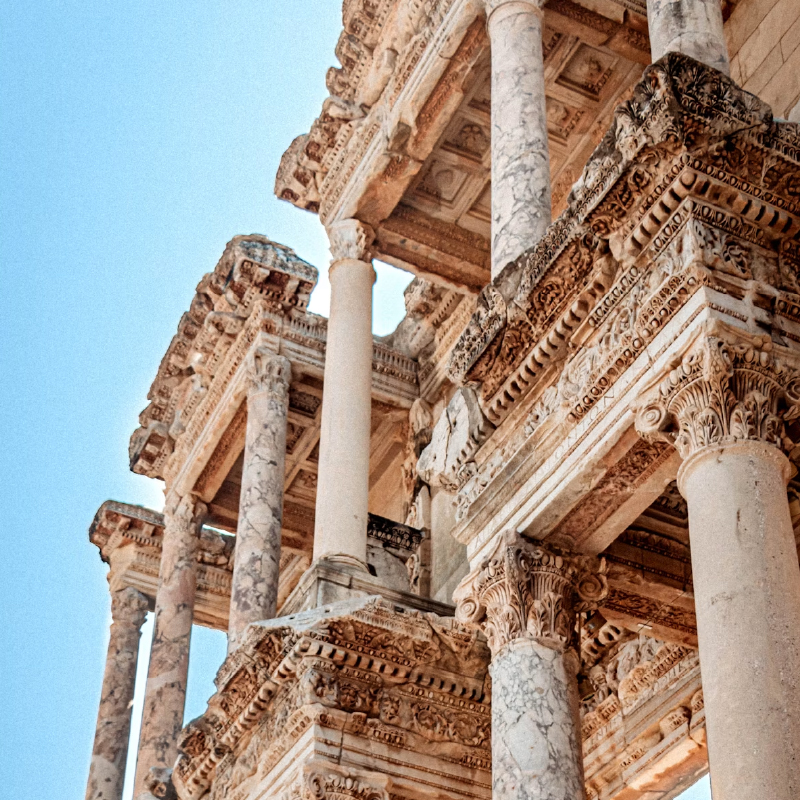
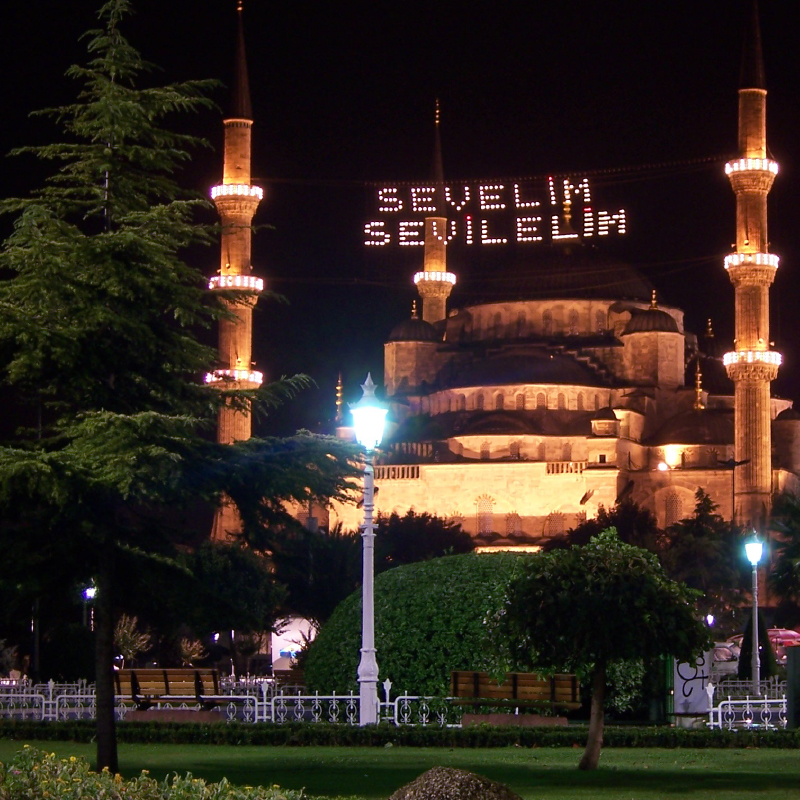
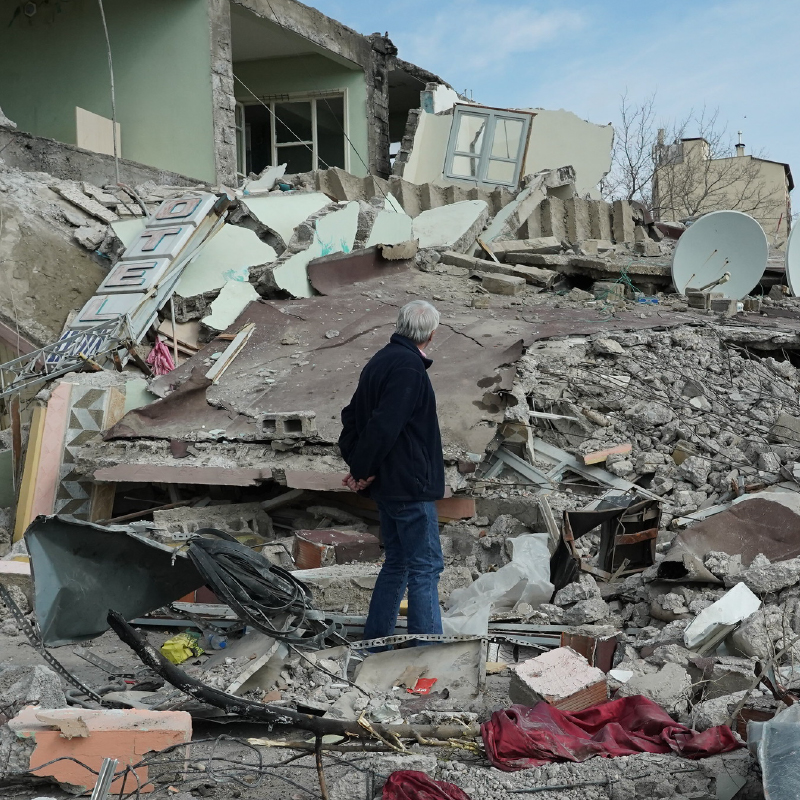
Empires came and went. Cities took new names. Beneath those same domes, a different form of worship began to be heard. Christian communities gradually diminished, and in many ancient cities, little remained but ruined walls and newly erected signs telling visitors what had once stood there. The church seemed to have disappeared, leaving behind history for tourists to explore and ruins for them to photograph.
But perhaps ruins are not the end.
Perhaps the story of the church in Türkiye has simply gone underground once again. Not into the same caves or behind the same stone walls, but marked by the same quiet faithfulness: small, hidden, and easily overlooked.
The gospel traveled from Jerusalem to Antioch, from Antioch into Asia Minor, and from Tarsus toward Rome. And the gospel can also remain quietly beneath the surface, like a seed buried in the earth, waiting to sprout again in the very places where we thought it had disappeared.
Perhaps the churches that remain in Türkiye are not fading remnants of the past, but a hallelujah whispered ever so softly before revival comes again.