






MARGINALIZED GROUPS
Marginalized Groups
Who Is Listening to Them?
When Thunderbolts*1 was released, I found myself drawn immediately to its premise. Films built around a special ops team have traditionally centered on winners — people whose lives gleam with achievement and capability. But the characters in this film are neither conventional superheroes nor straightforward villains. They are people who have stumbled through life, people who are routinely overlooked and misunderstood.
Watching them, I kept thinking of figures from Scripture. Zacchaeus the tax collector, notorious for his fraud. The woman whom the crowd was ready to stone. The paralyzed man by the pool of Bethesda. The blind men crying out for sight. They, too, lived on the edges, rarely taken seriously or truly heard. And yet Jesus sought them out. He met them where they were, and made new life possible for them.
This, in turn, led me to wonder: among the unreached peoples of the world today, are there communities that have long been overlooked? Some may be excluded from public life because of physical or mental disabilities. Others may be misunderstood because of their occupations or choices they have made in the past, and may rarely set foot inside a church. Where are they now? What are their lives like? And who is listening to their stories, concerns, and needs?
With these questions in mind, the theme for this month gradually took shape. We will focus on socially marginalized communities among the world’s unreached peoples, seeking to understand their needs and considering how our skills and gifts might enable us to walk alongside them. These articles also highlight innovative approaches to care from around the world. We hope they will inspire Christians, churches, and mission teams to pray for efforts that prepare the way for the gospel.
Like the characters in Thunderbolts*, these communities are also like you and me. They bear the image of God and are equally in need of His mercy. May God give us clarity and pure hearts to see what He wants us to see and to remember these communities in prayer.
We look forward to the day when, in the new heaven and new earth, we will stand alongside them before the Lord and worship together the God who has never forgotten a single person.
1 Thunderbolts* is a 2025 Marvel film featuring an ensemble of former villains and social outcasts.

What It Takes to Step Outside
Everyday Carry
Most people leave home with three things: their phone, keys, and wallet. For some people with disabilities, however, getting out and about safely requires much more.
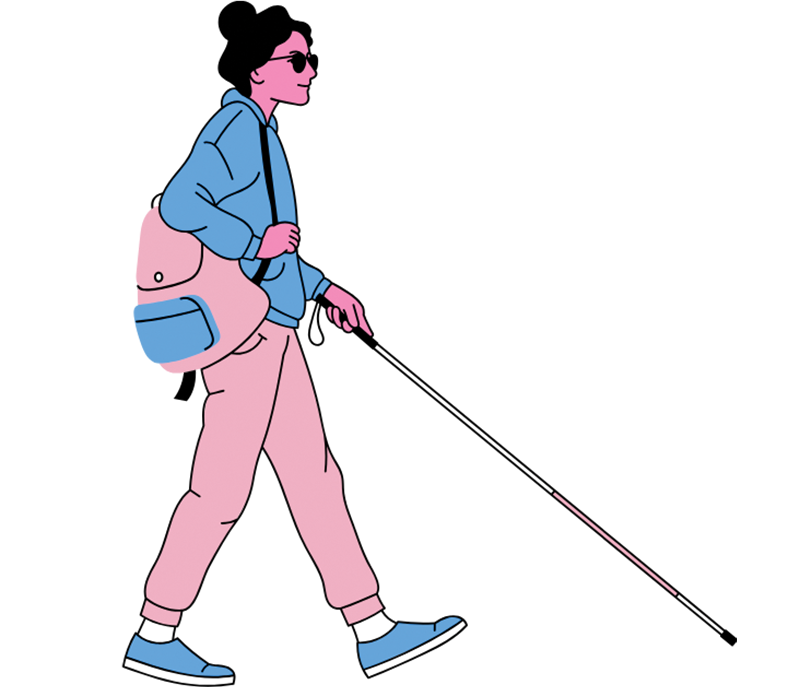
A trained professional who helps people who are blind or have low vision travel safely and independently.
Their work may include teaching white cane techniques, accompanying clients on practice routes, and assessing their ability to travel independently.
Assistive listening devices are non-medical tools that amplify sounds in the surrounding environment.
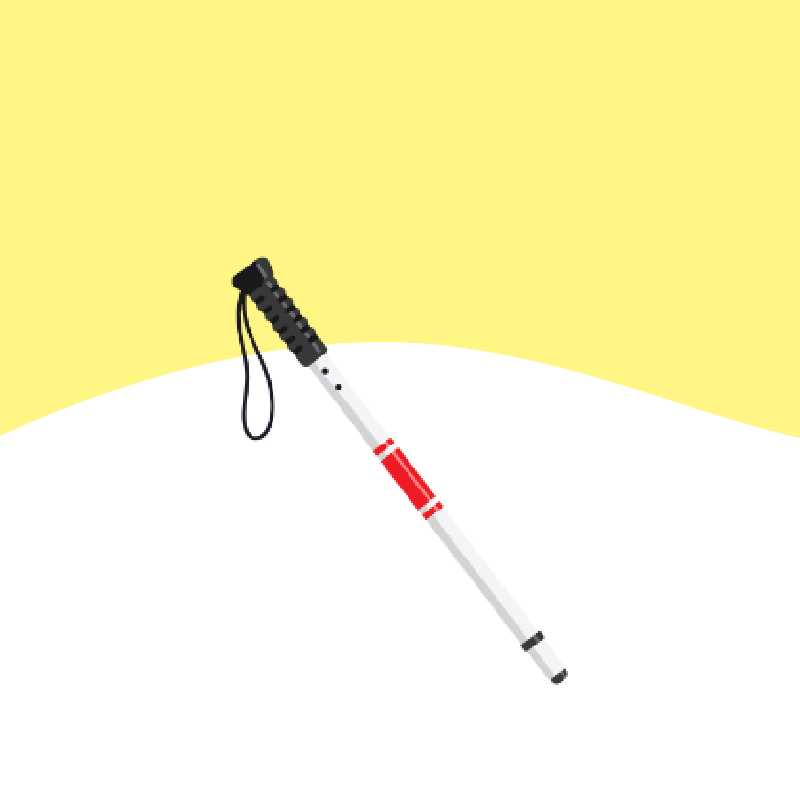
An important mobility tool that helps people who are blind or have low vision detect obstacles and changes in the path ahead. Its reflective surface also makes the user more visible to pedestrians and drivers.
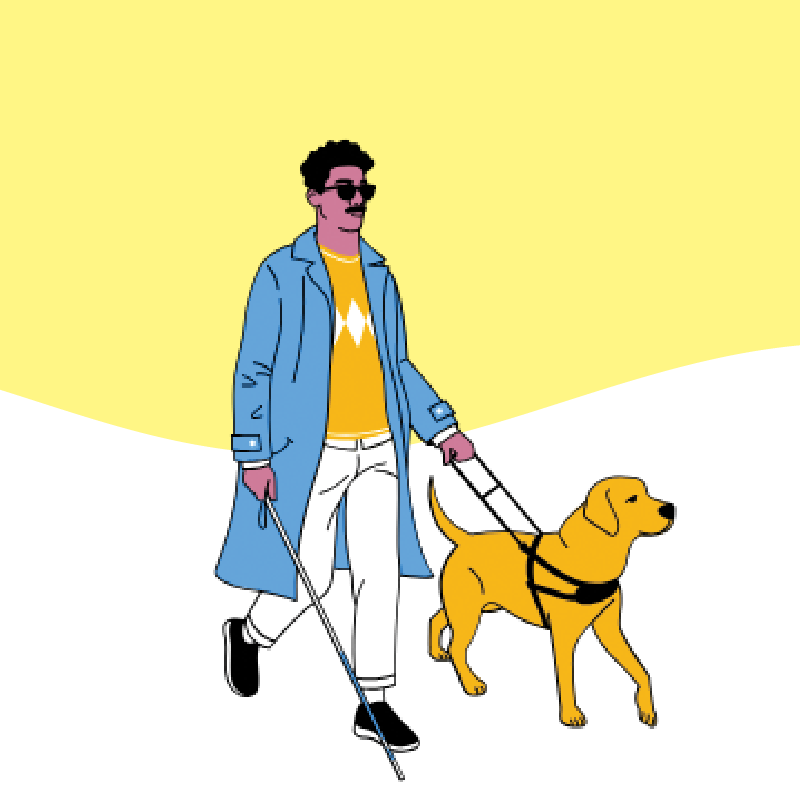
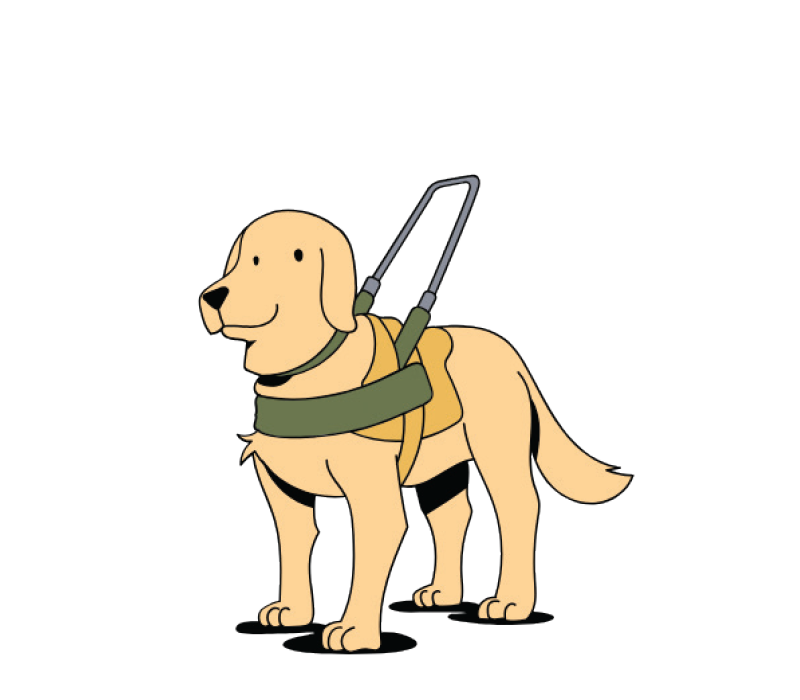
Some people who are blind or have low vision may choose to use a guide dog, particularly if they are comfortable with dogs and able to manage a large one.
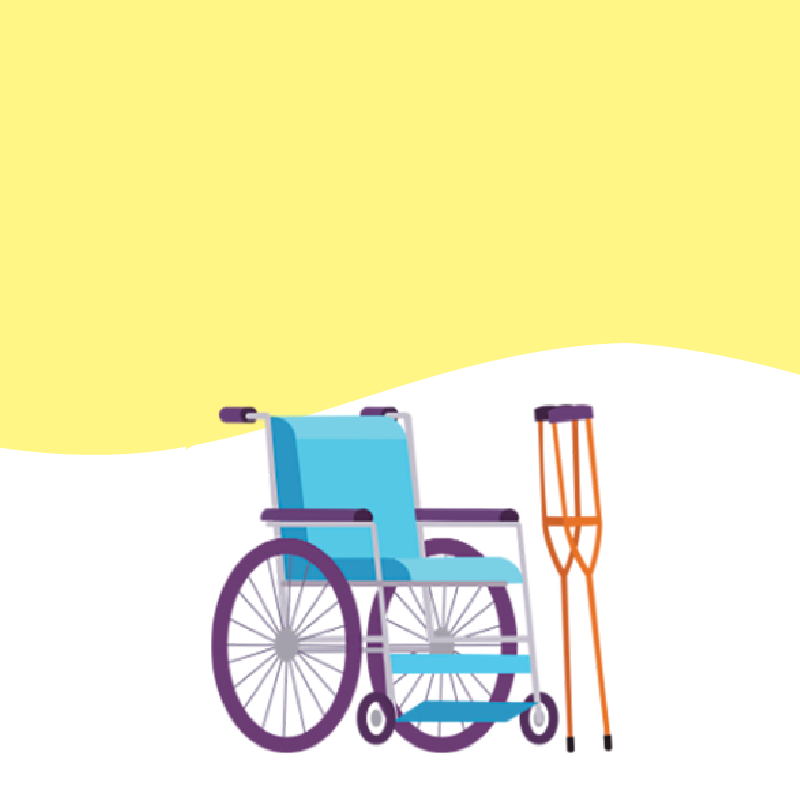
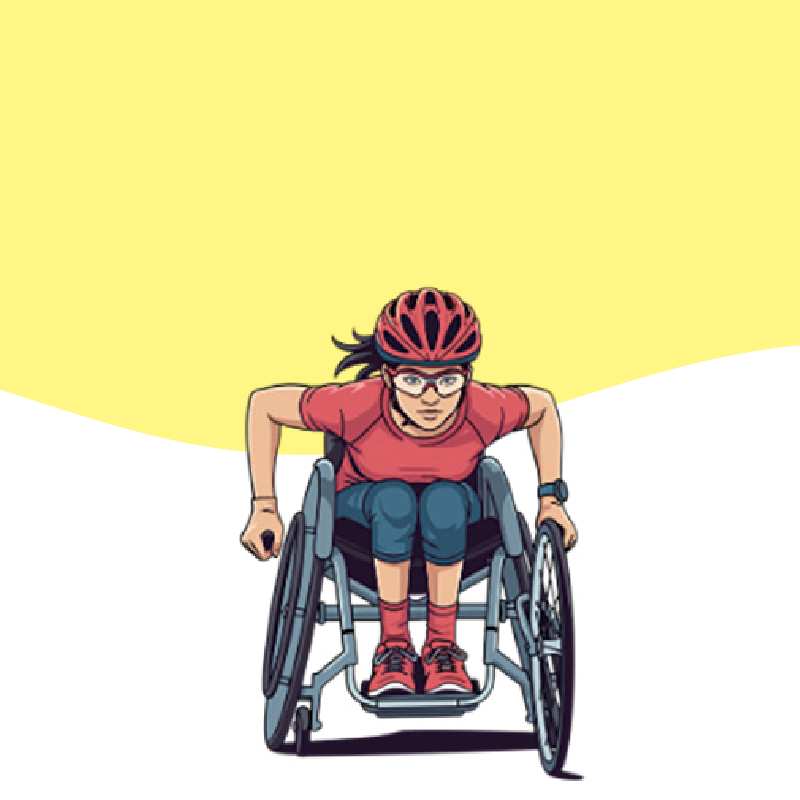
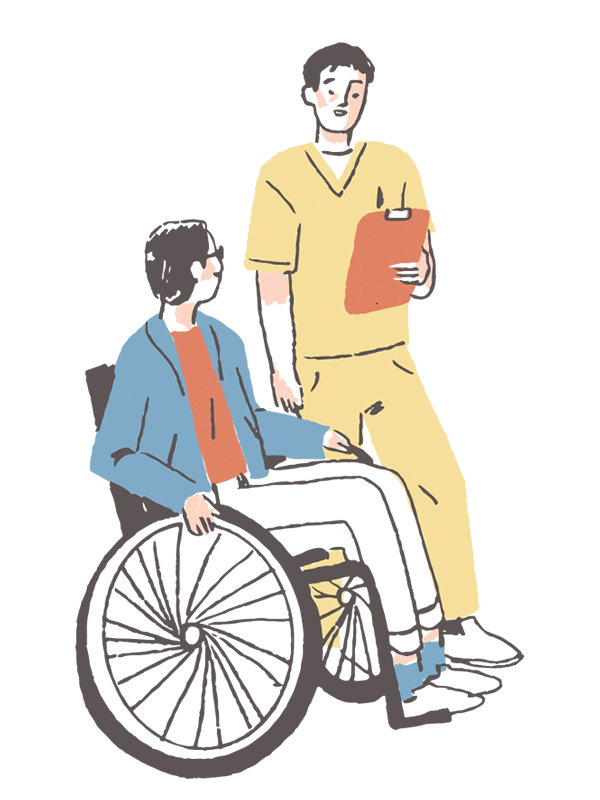
Depending on their individual needs, people may use canes, walkers, wheelchairs, or other mobility aids. Wheelchairs may be manual, powered, or custom-designed to accommodate different physical needs.
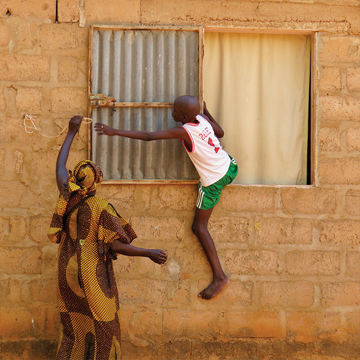
When crossing a street or navigating an unfamiliar area, a person who is blind or has low vision may need assistance from a sighted guide. The guide leads the way while the person places a hand on the guide’s shoulder or holds their arm just above the elbow.
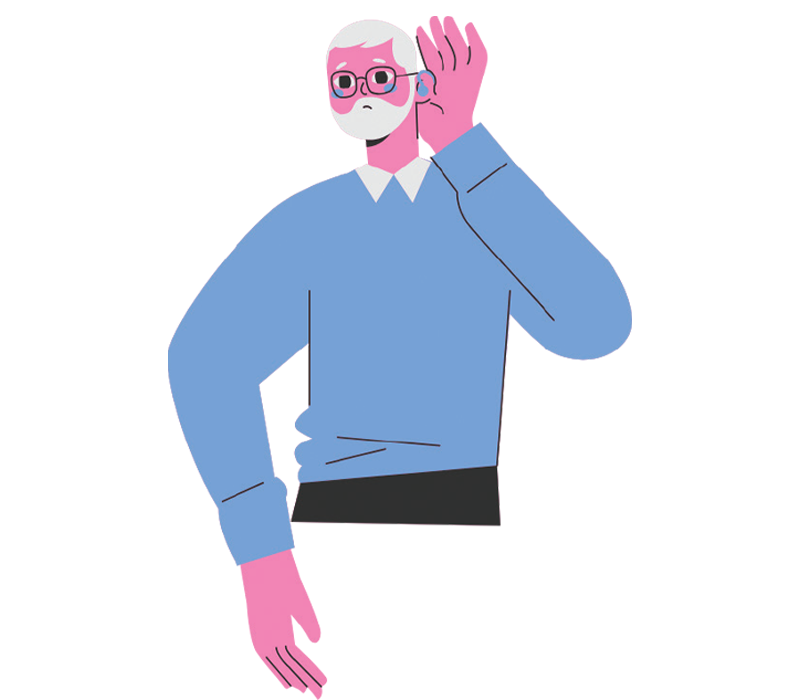
These are medical devices that can amplify selected sounds, reduce background noise, and help users focus on particular sound sources. The auditory stimulation they provide may also help slow the decline in auditory processing.
Deaf people use a variety of creative tools to meet everyday needs, including flashing doorbell alerts, visual phone notifications, warning lights, and vibrating alarm clocks.
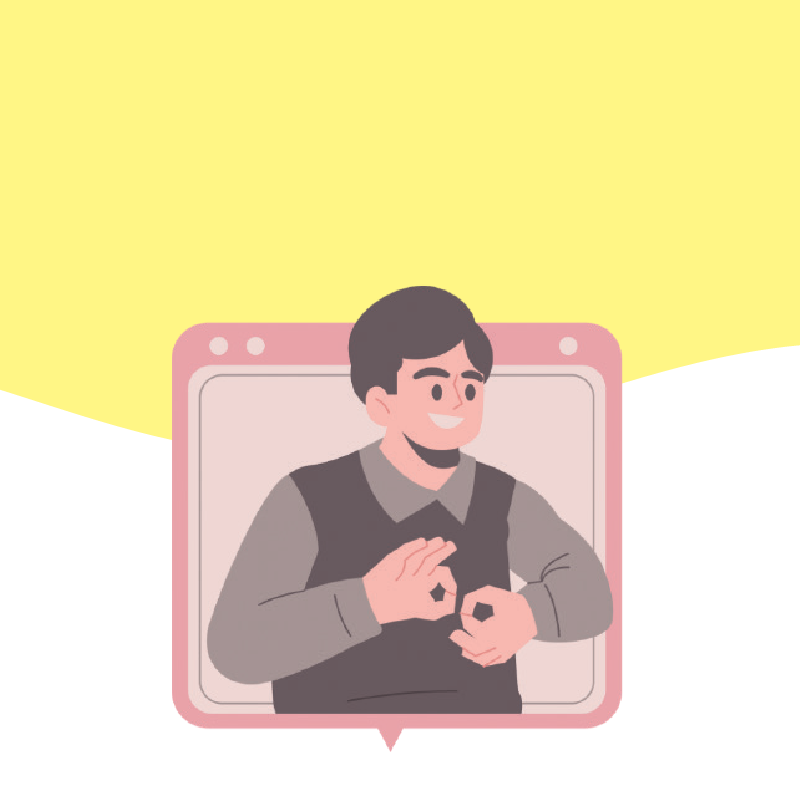
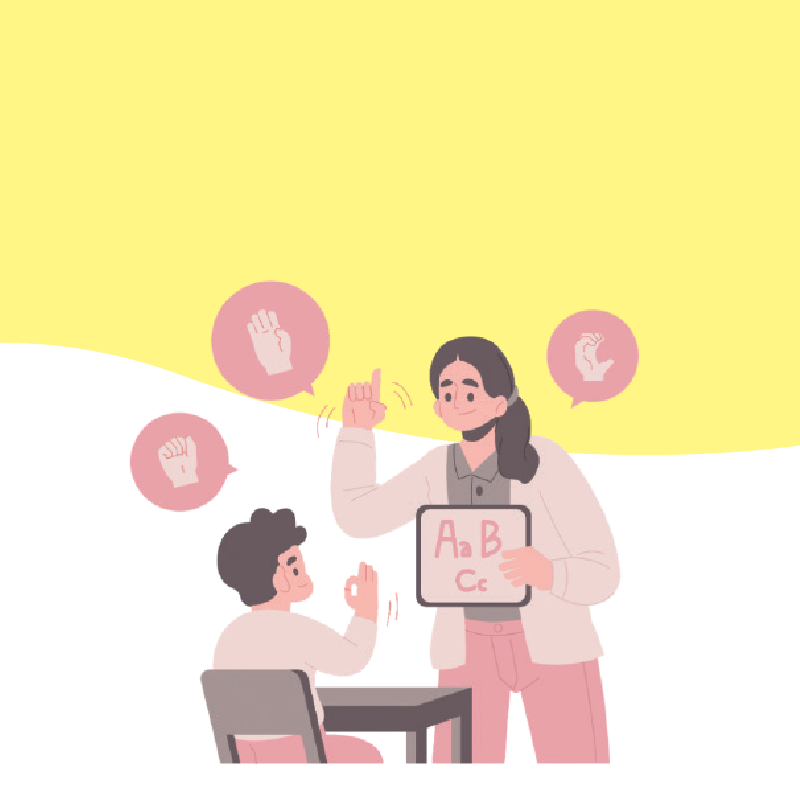
Some Deaf people communicate primarily through sign language, together with lip-reading and facial expressions, without using other assistive devices. Around 300 sign languages are currently used worldwide.
Ramps, accessible restrooms, elevators or platform lifts, designated parking spaces, handrails, and clear signage help ensure that people with mobility impairments can move about freely and safely. These facilities also foster a more inclusive and respectful society.
When you meet someone with a disability, ask whether they need assistance and what kind of help would be useful. Respect their pace and choices. The best way to help is to offer the assistance they actually need.