
The Five Central Asian Countries I
Kazakhstan, Kyrgyzstan, Tajikistan
A Life of Silence, Endurance, and No Right to Protest
The Symbiosis of Nomads and Farmers
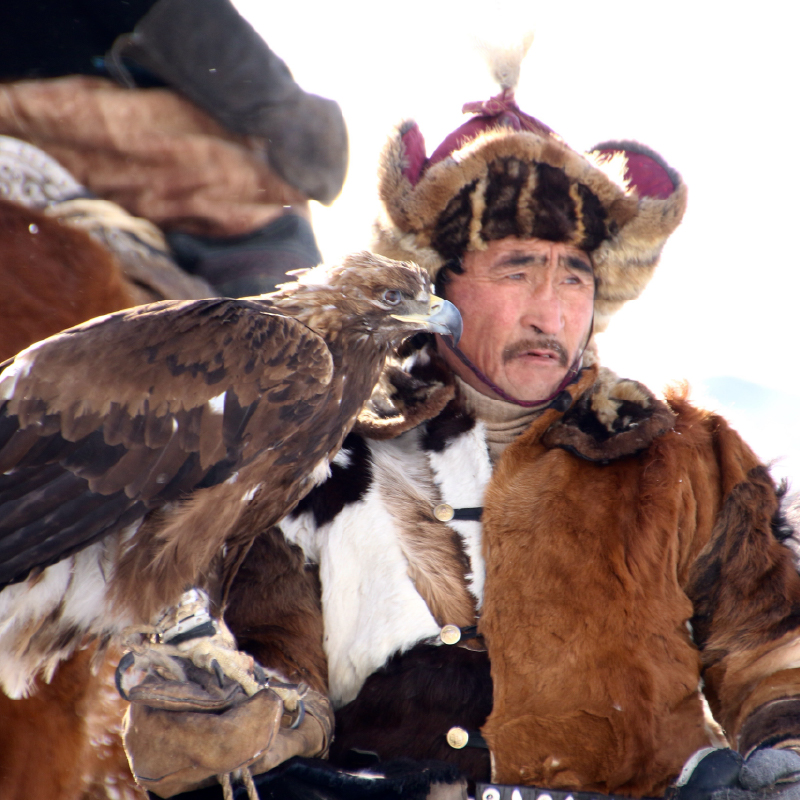
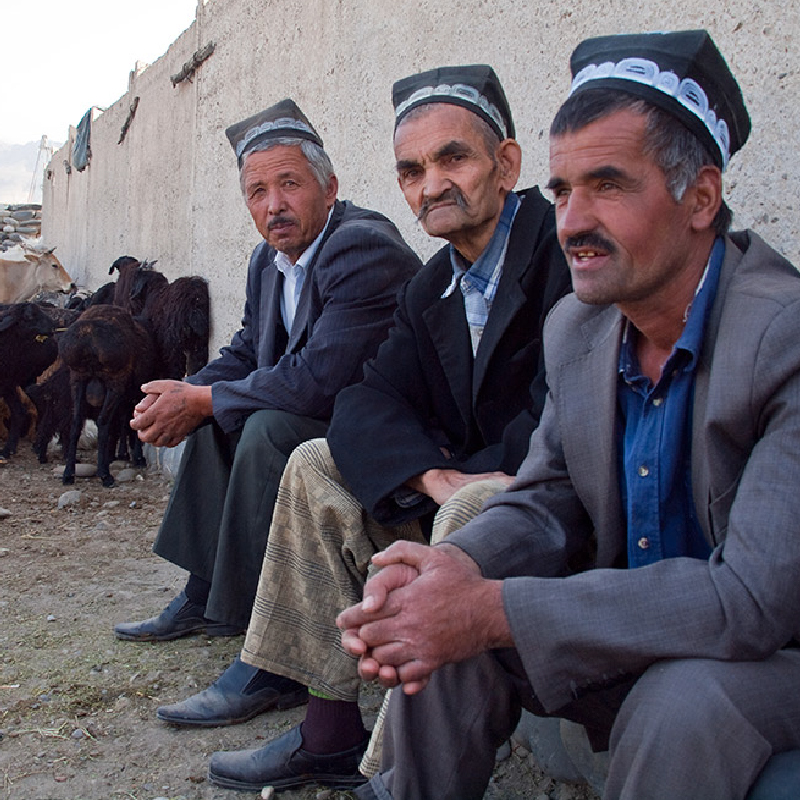
Before the nineteenth century, if you had asked someone living in Samarkand what ethnic group they belonged to, they might have answered: "I am a Muslim," “I am from Samarkand,” "I am a herder," or "I am a farmer."
In Central Asia at that time, identity was shaped less by ethnicity than by one’s way of life, religion, and place.
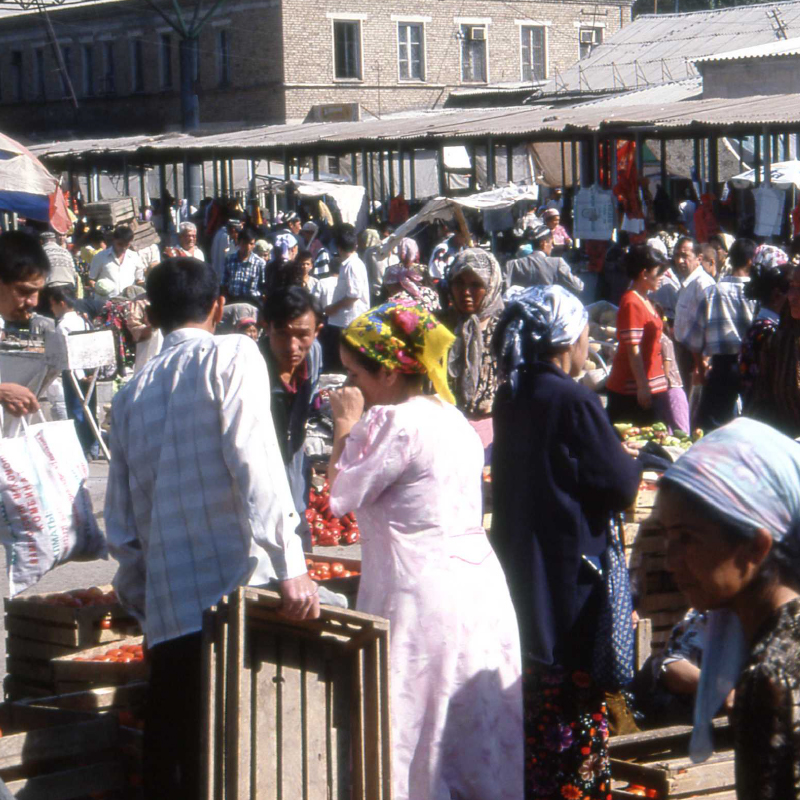
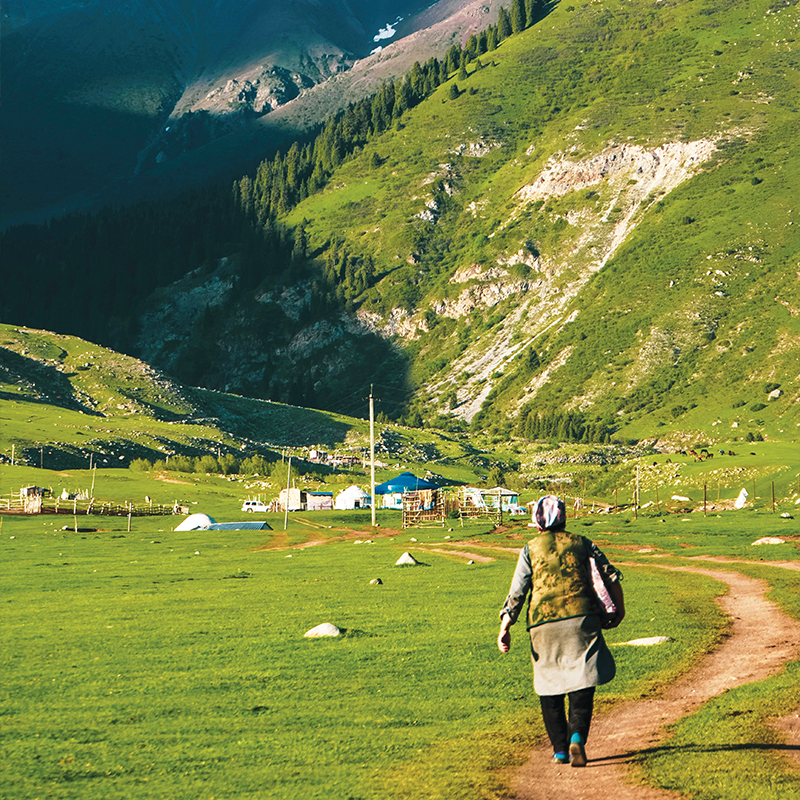
In the summer, nomadic herders drove their livestock up into the mountains. In the winter, they came down to the oasis towns to trade. In ancient cities such as Bukhara and Samarkand, people often knew several languages, including Persian, the language from which Tajik developed, and Chagatai, the literary Turkic language that preceded modern Uzbek.
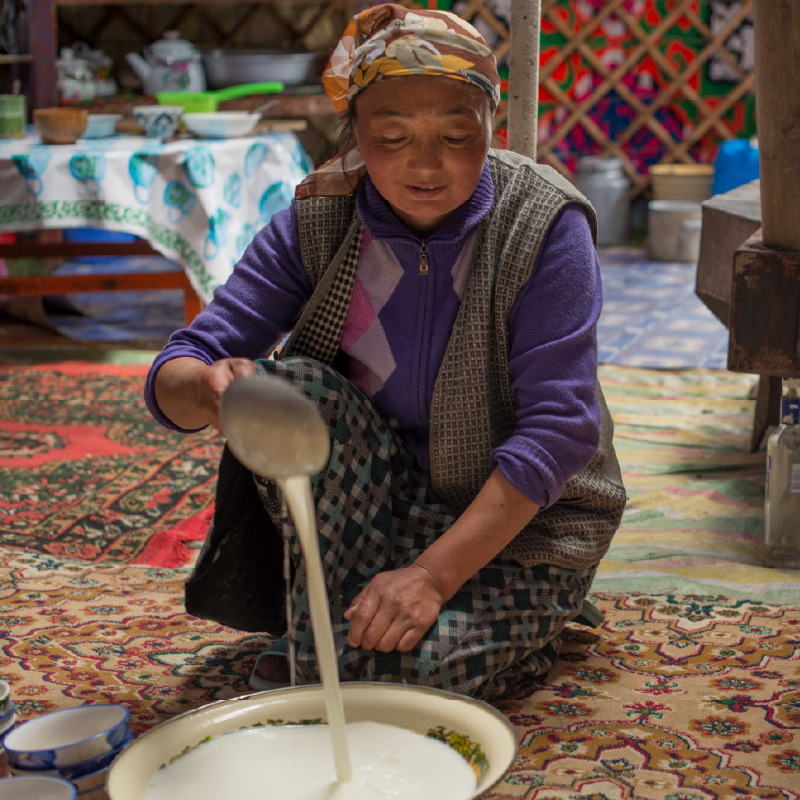
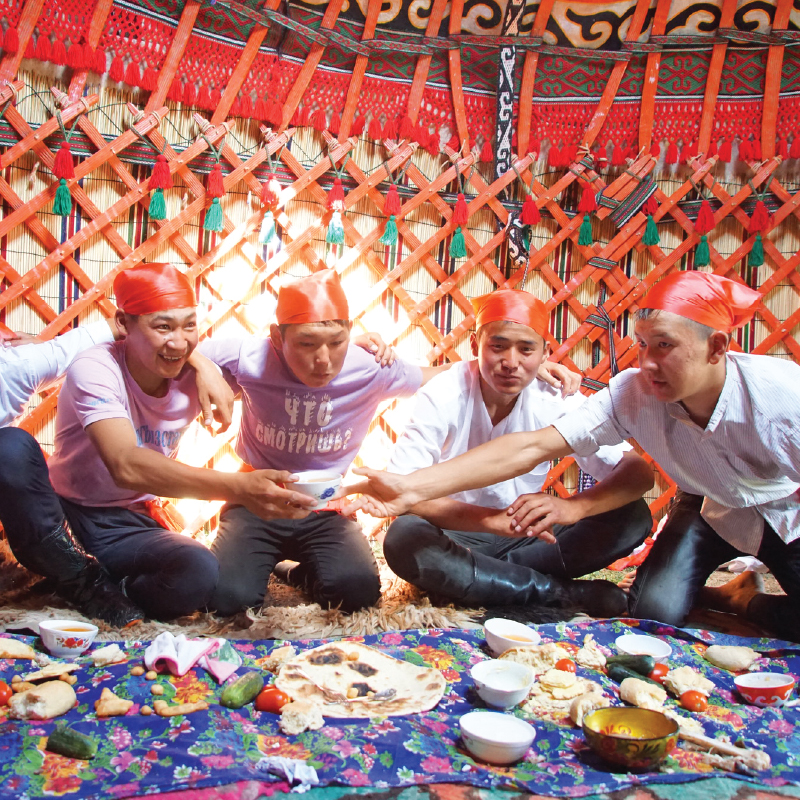
Over time, herders and farmers formed a deeply interdependent way of life. Without one another, neither group could easily survive. Kazakh, Kyrgyz, and other herding peoples would arrive at the edge of the oasis settlements with cattle and sheep, bringing abundant meat, fermented mare’s milk, leather for boots and harnesses, and wool for blankets and carpets. Tajik, Uzbek, and other farming peoples traded in return with wheat, rice, tea, fine silk textiles, and metal goods.
It was a world marked by movement, many languages, and mutual dependence.
The Soviet Drawing of National Borders
Yet the twentieth century brought a profound transformation under Soviet rule.
Heavily influenced by nineteenth-century European nationalism, Soviet theorists believed that a “true nation” had to possess four defining features: a common language, a shared territory, a common economic life, and a distinct national character. Beginning in the 1920s, the Soviet state launched a sweeping program of ethnic classification and nation-building across Central Asia.
Language became a tool of division. The Soviet state used it to separate Uzbeks and Tajiks, who had long lived in close interdependence. It also used subtle differences in dialect and pronunciation to classify Kazakhs and Kyrgyz, forcibly dividing these “relatives on horseback.” The Turkmens, meanwhile, were gathered from tribes that had often been at war with one another.
The Soviet state then promoted standardized national languages, imposed Cyrillic alphabets, drew the borders of national republics, and created unified cultural and historical narratives for each people. Identities that had once been fluid, ambiguous, and interwoven were transformed into fixed, standardized nationalities. This also severed Central Asia’s long “dialect continuum,”1 so that people could no longer define themselves primarily by tribe, region, or way of life.
Ethnic identity became an administrative classification rather than a form of cultural self-understanding. This is why many scholars say that the nations of Central Asia were not “discovered” but “manufactured.”
Cross-Cutting Borders
The Soviet Union also used a strategy of cross-cutting boundaries when drawing internal borders. For example, Samarkand, with its large Tajik population, was assigned to Uzbekistan, while Kyrgyz enclaves2 were left inside Uzbek territory. The result was a complex pattern of mixed settlement: “you within me, and I within you.”
During the Soviet period, this kind of cross-cutting arrangement did reduce the possibility of local groups uniting against the central government, creating an appearance of political stability. But after the Soviet Union collapsed, these complicated borders became a source of conflict between the newly independent states.
The Fergana Valley is a classic example. The Soviets assigned the fertile plain to Uzbekistan, the foothills and water sources along the edge of the valley to Kyrgyzstan, and the narrow entrance corridor to Tajikistan. Because these borders were not drawn around mountain ranges or ethnic settlements, the result was a highly impractical arrangement: farming depended on Uzbekistan, irrigation depended on Kyrgyzstan, and freight transport had to pass through Tajik checkpoints.
Under the Soviet system, these areas were integrated into a single economic structure, so the arrangement could still function. But after the republics became independent in 1991, administrative borders became international borders. This deeply interwoven spatial structure began to trigger frequent border conflicts.
The Five Central Asian Countries Today
Today, the five Central Asian countries remain deeply shaped by the institutional framework and worldview left behind by the Soviet Union. In other words, the effects of the colonial system have not fully disappeared. To this day, people across Central Asia, along with scholars who study the region, continue to wrestle with what it would mean to truly move beyond this colonial history.
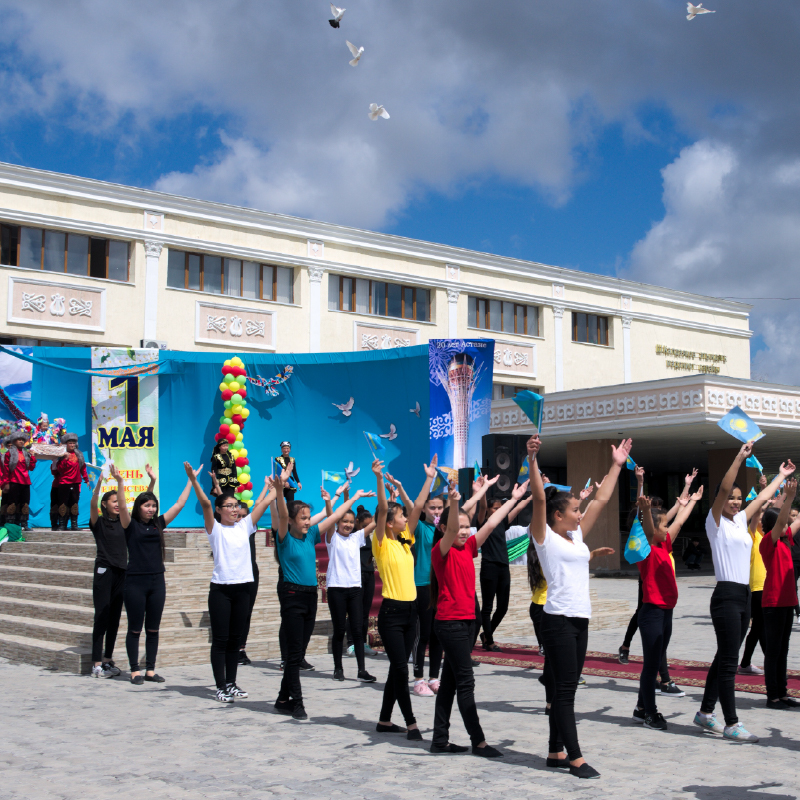
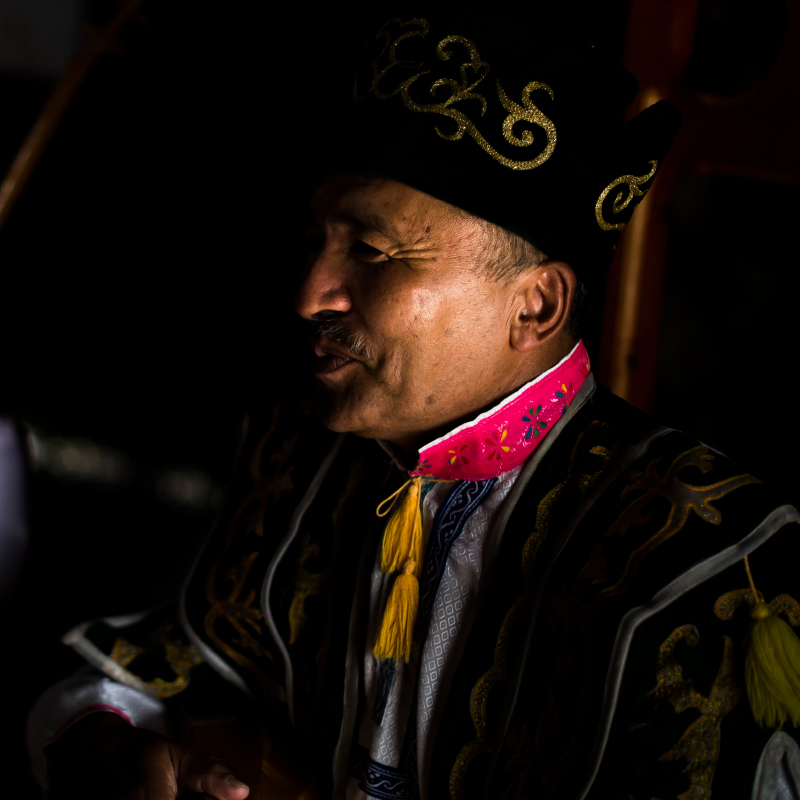
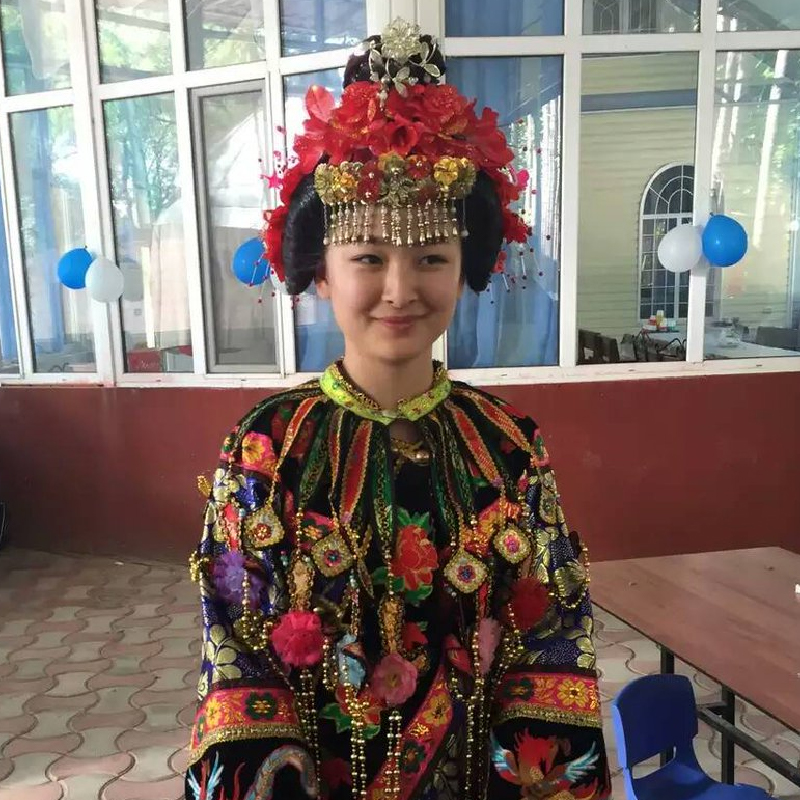
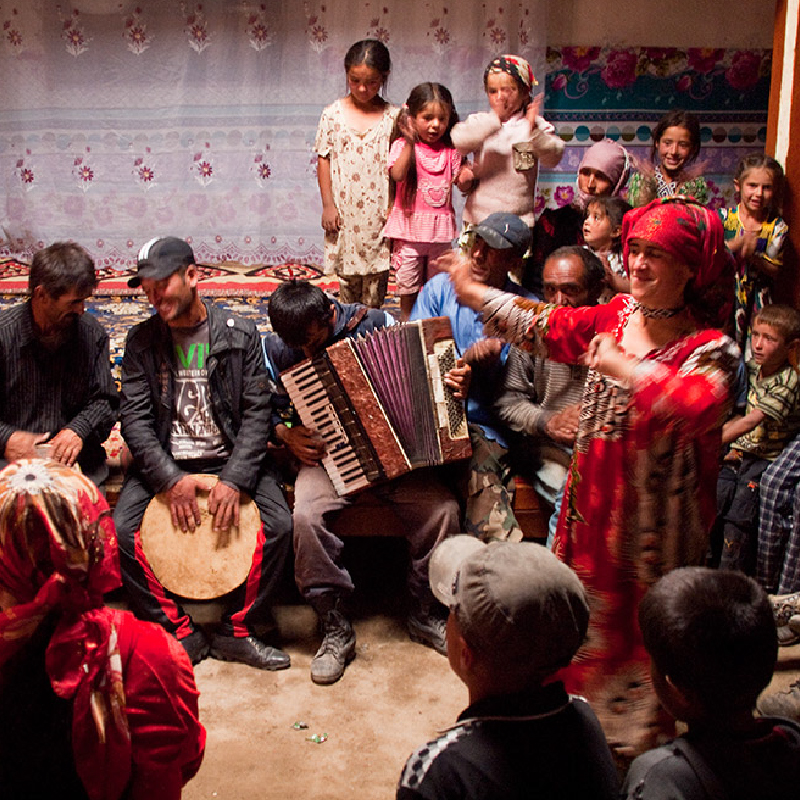
The countries of Central Asia share similar patterns of ethnic composition and have all undergone a process of sedentarization. Nomadic life is no longer their way of life. Ethnic culture is no longer primarily expressed through daily social structures and ways of living; instead, it has been reduced to symbols displayed through festivals, stage performances, and cultural exhibitions.
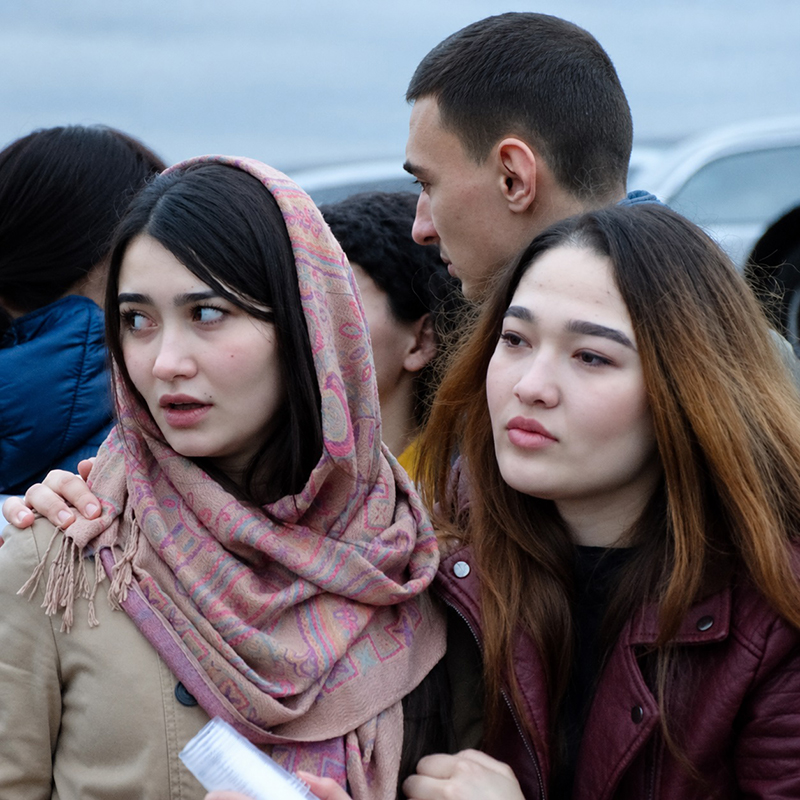
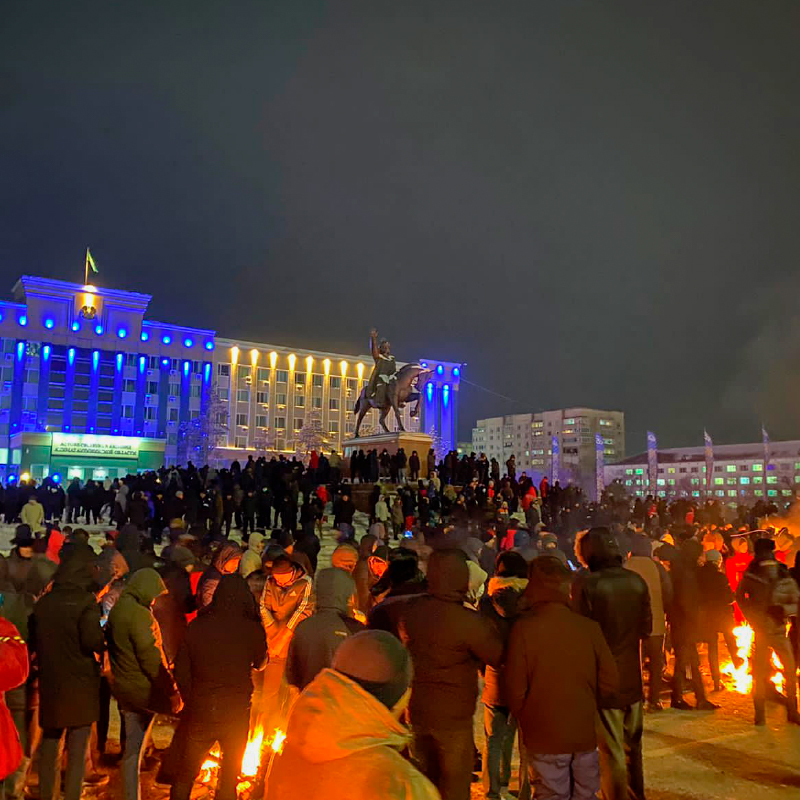
At the same time, each country has followed a different path since the collapse of the Soviet Union. Kazakhstan developed a highly centralized political system, and society remained quiet, compliant, and stable until signs of resistance began to emerge in 2020. Kyrgyzstan has retained space for popular mobilization and the overthrow of governments, but it has lacked the capacity to build new institutions. As a result, it has repeatedly cycled through revolution, only for power to return to the hands of the elite. Tajikistan, meanwhile, is the only Central Asian country to have experienced civil war. The war has become a history that people cannot openly discuss or commemorate, drifting like a ghost in the depths of collective memory.
For this reason, this issue of Mission Pathway will focus more on how the Soviet Union has shaped Kazakhstan, Kyrgyzstan, and Tajikistan, as well as the social issues these countries face today. Turkmenistan and Uzbekistan will be covered in a future issue.
1 A dialect continuum refers to a situation in which language changes gradually across a large geographic area. Neighboring communities can understand one another, but the farther apart two communities are, the greater the differences become, until people at opposite ends may no longer understand each other at all. In other words, languages do not always divide along sharp boundaries; sometimes they shift gradually, like colors fading from one shade into another.
2 An enclave is a territory of one country or region that is geographically surrounded or isolated by another country, such that it can only be reached by passing through foreign territory.
Major Ethnic Groups and Notable Figures in Central Asia
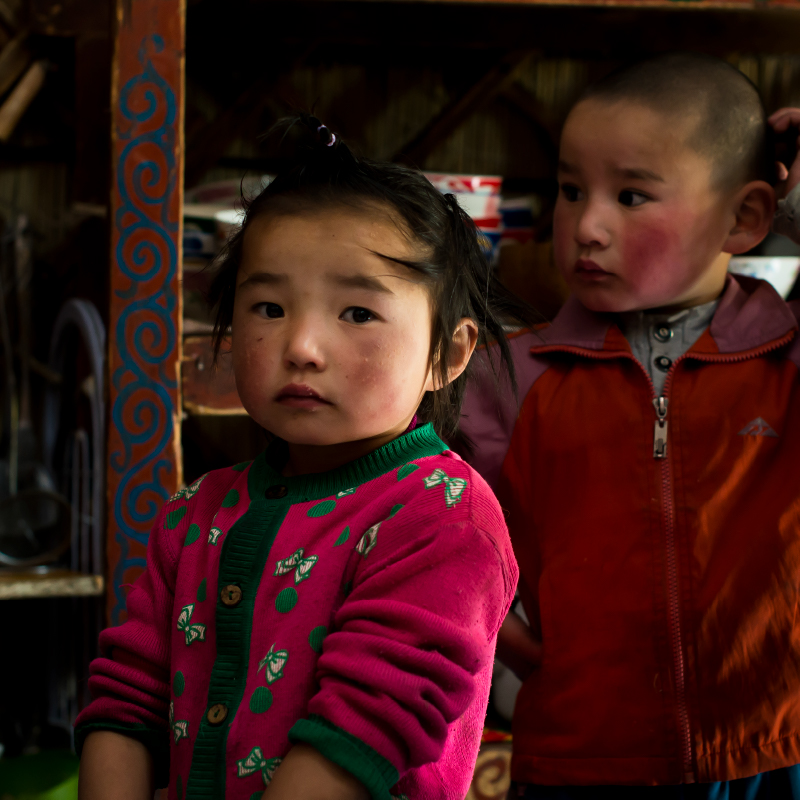
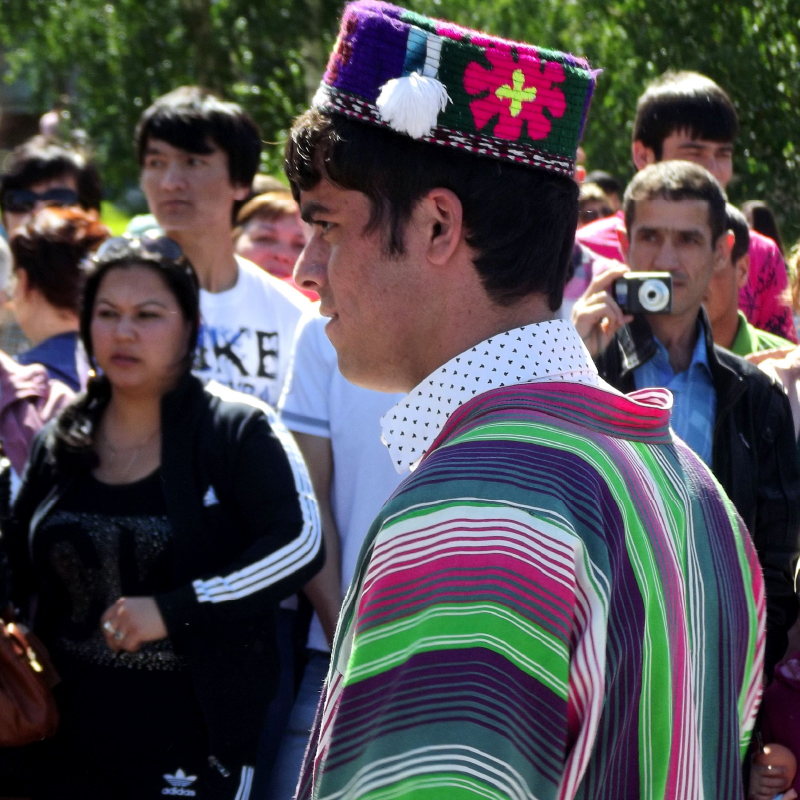
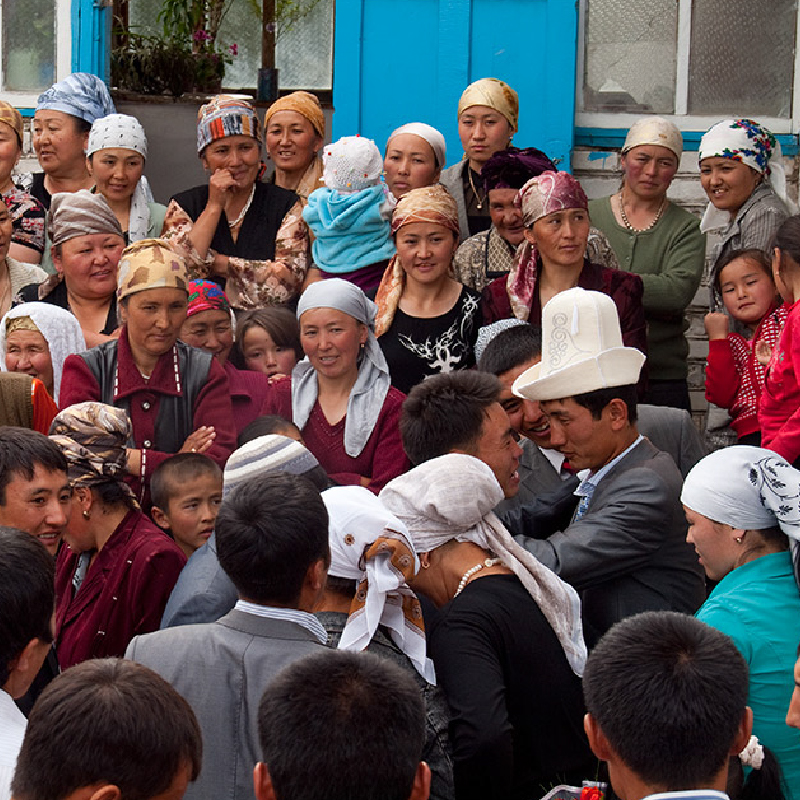
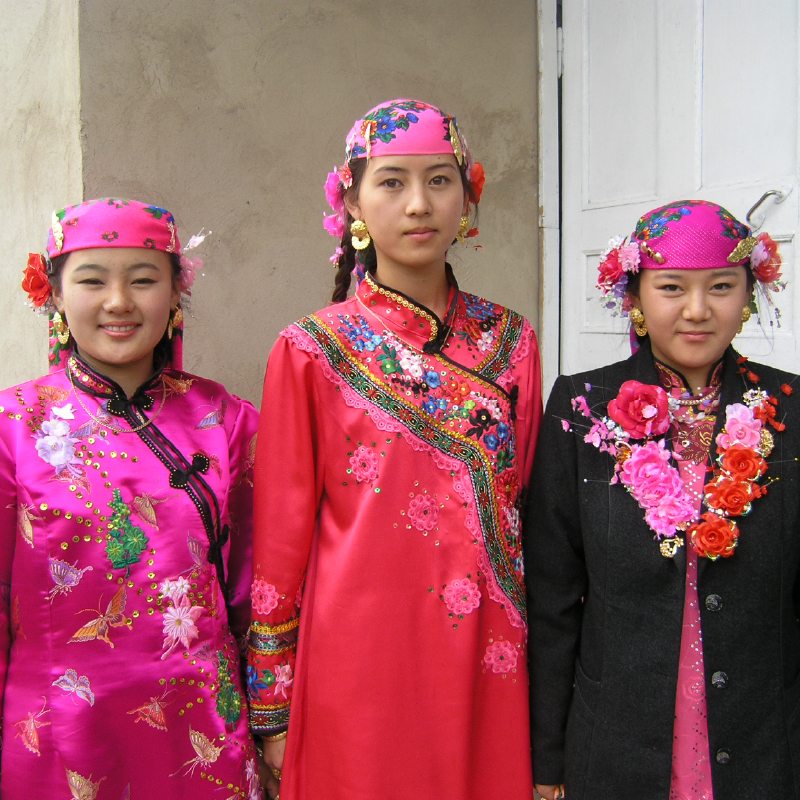
The five Central Asian countries share a broadly similar ethnic makeup. Uzbeks can be found in Kyrgyzstan, and Kyrgyz in Kazakhstan. The region is also home to Dungan, Koryo-saram, and German communities, whose presence reflects different waves of historical migration.
This land where peoples meet may seem remote and unfamiliar, yet it has given the world an extraordinary range of figures who have left their mark on the global stage.

An ethnic identity that emerged through Soviet classification, the Kazakhs are now the dominant people group of Kazakhstan and the largest ethnic group in Central Asia.

Most Kyrgyz are Sunni Muslims, but their faith is also interwoven with pre-Islamic animist traditions — a reverence for natural elements such as mountains, water, and fire, and a deep sense of spiritual connection to the natural world.
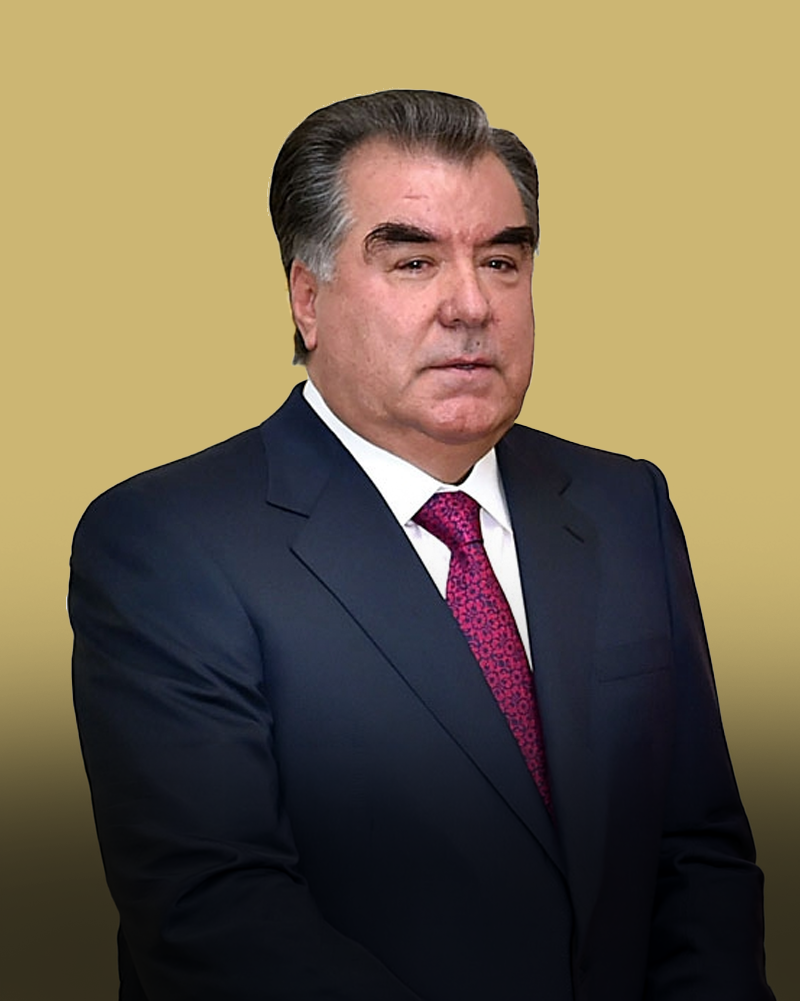
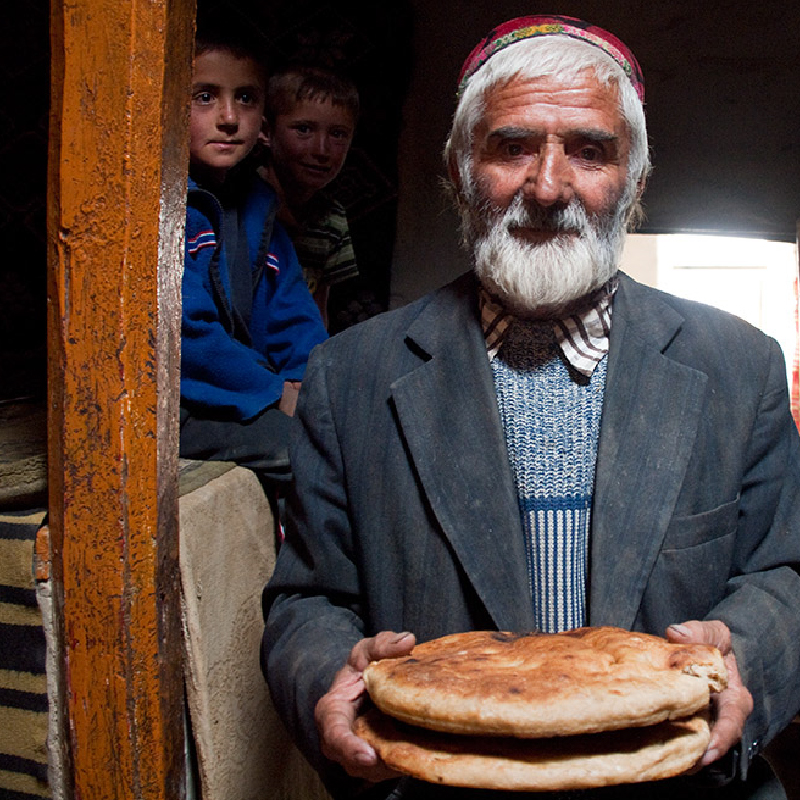
Tajik culture is a continuation of Persian civilization. In 1930, however, the Soviet Union forcibly changed the Tajik language to the Cyrillic alphabet, cutting off its written connection to the broader Persian cultural world.

Uzbeks are Sunni Muslims, and their historic centers include Bukhara, one of the great centers of Islamic learning, which produced many renowned Muslim scholars.

Turkmen society is organized more as a confederation of tribes than as a single unified national society. In practice, the more meaningful question has often been not “What nationality are you?” but “Which tribe do you belong to?”

After the Russian Empire conquered Central Asia, large numbers of Russians migrated into the region. After the Soviet collapse, many returned to Russia, while others remained, with the largest concentration staying in Kazakhstan.

The Hui Muslim rebellions of the 1860s and the Chinese Civil War brought large numbers of Uyghurs into Central Asia. They are concentrated mainly in Kazakhstan, Uzbekistan, and Kyrgyzstan, with a population of about 300,000.
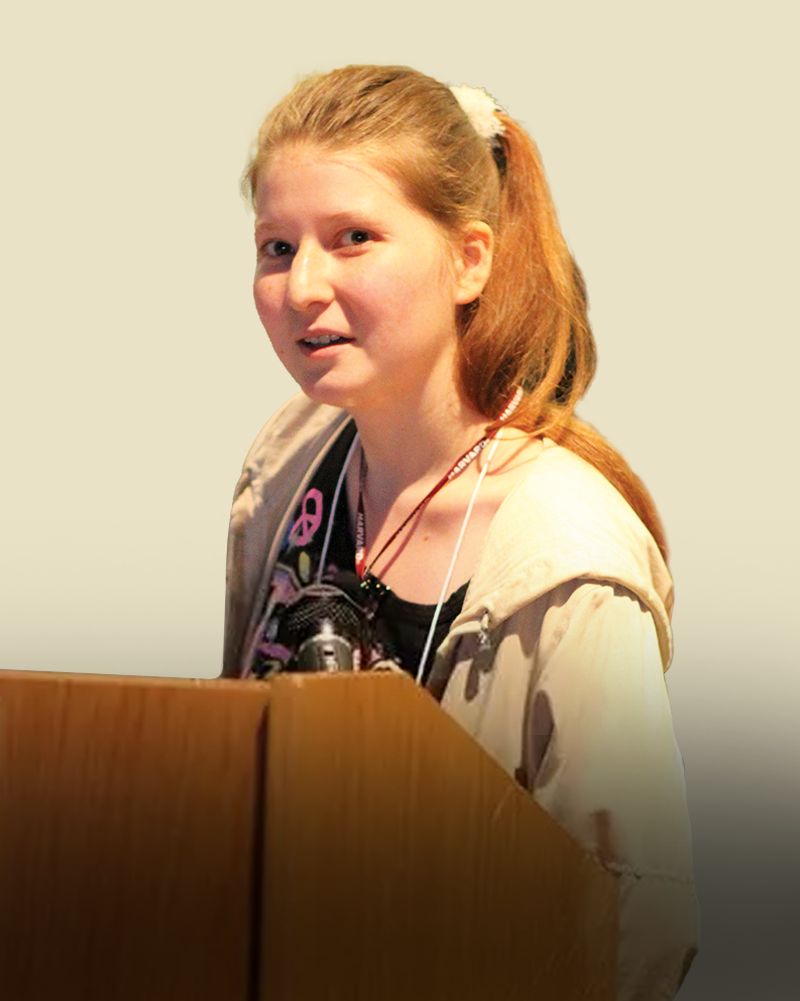
Ukrainian communities gradually formed across Central Asia through Russian imperial colonization,1 Soviet agricultural and industrial policies, war, and exile.
1 Ukraine was incorporated into Russia at several points in history: after the Treaty of Pereyaslav in 1654, eastern Ukraine was gradually absorbed into the Russian Empire, and in 1922 Ukraine joined the Soviet Union.

After Nazi Germany invaded the Soviet Union in 1941, the Soviet government suspected that ethnic Germans within Soviet territory might collaborate with Germany. About 800,000 Germans were therefore deported to Central Asia and Siberia.

In the early twentieth century, famine, natural disasters, exploitation, loss of land ownership, and later repression under Japanese occupation of Korea forced many Koreans to migrate to the Russian Far East.

During the Dungan Revolt in the 1860s, the Dungans fled into Russian Imperial territory. They are a Muslim people who speak a form of Chinese closely related to the dialects of Shaanxi and Gansu, and write it in the Cyrillic alphabet.
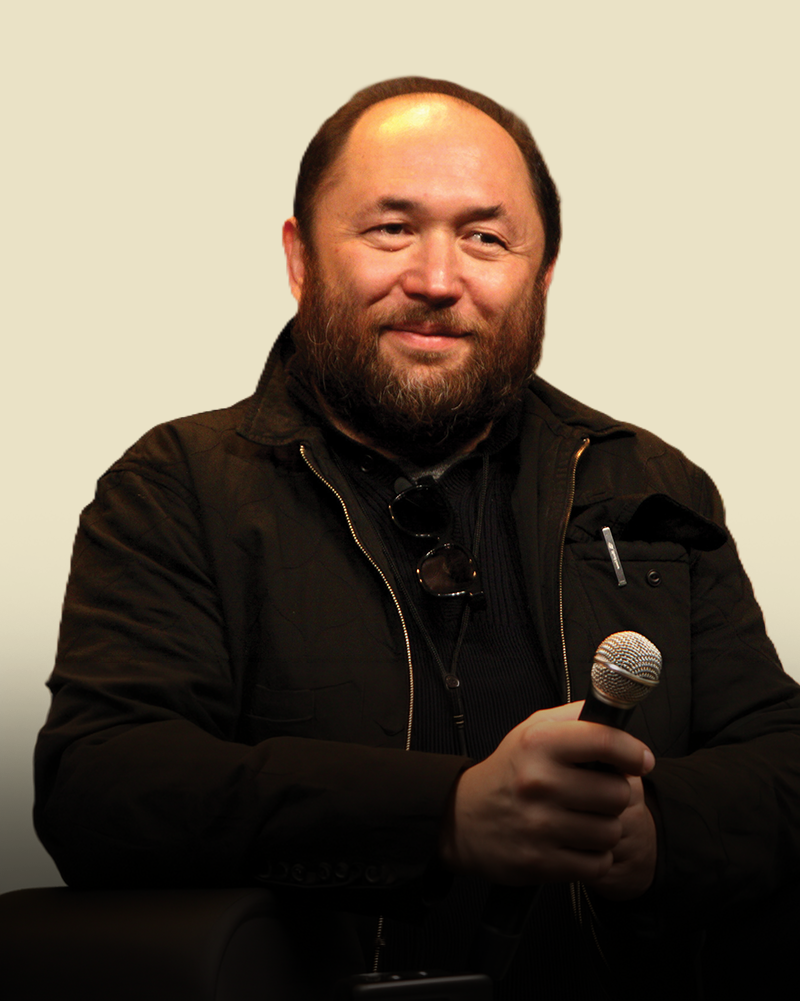
The Tatars embraced Islam as early as the tenth century and are often regarded as pioneers of Muslim modernity in Central Asia. Many Central Asian intellectuals were influenced by Tatar thought.

When the Russian Empire conquered Central Asia, Bashkirs were often used as cavalry and interpreters. Because they spoke a Turkic language, understood steppe culture, and practiced Islam, they were able to communicate with Muslim Central Asian societies.
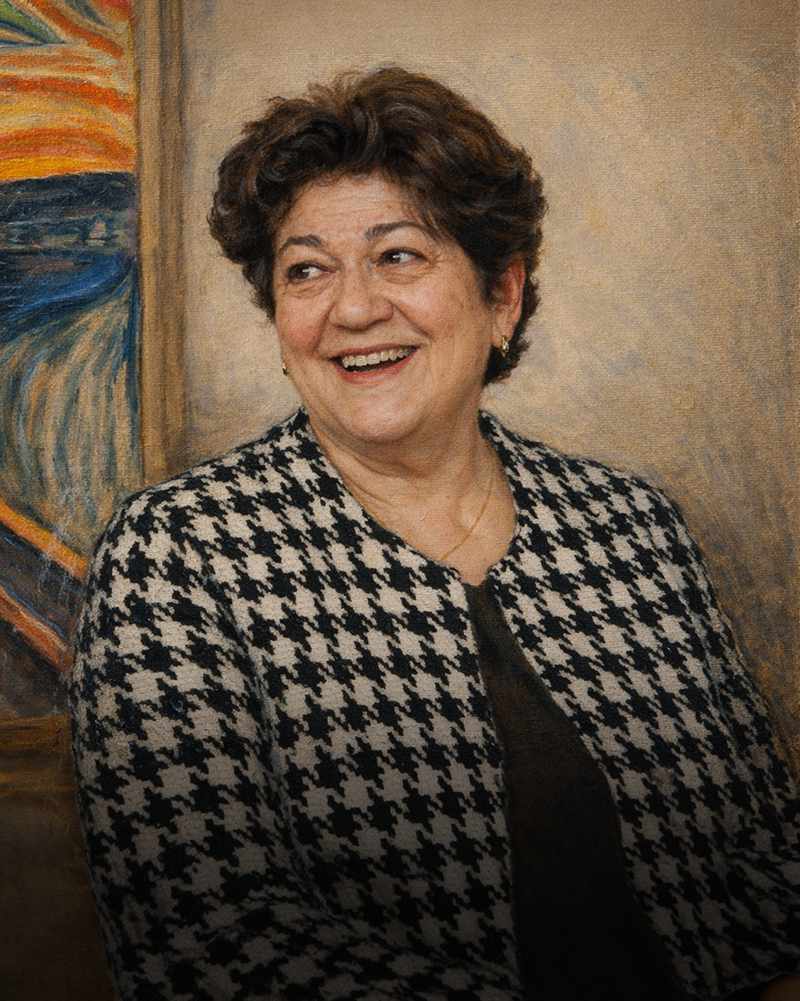
The Karakalpaks live in the region surrounding the Aral Sea, and their culture has been deeply shaped by it. The Aral Sea was once the world’s fourth-largest inland saltwater lake, but Soviet irrigation projects diverted its waters to grow cotton, causing the sea to shrink by more than 90 percent.