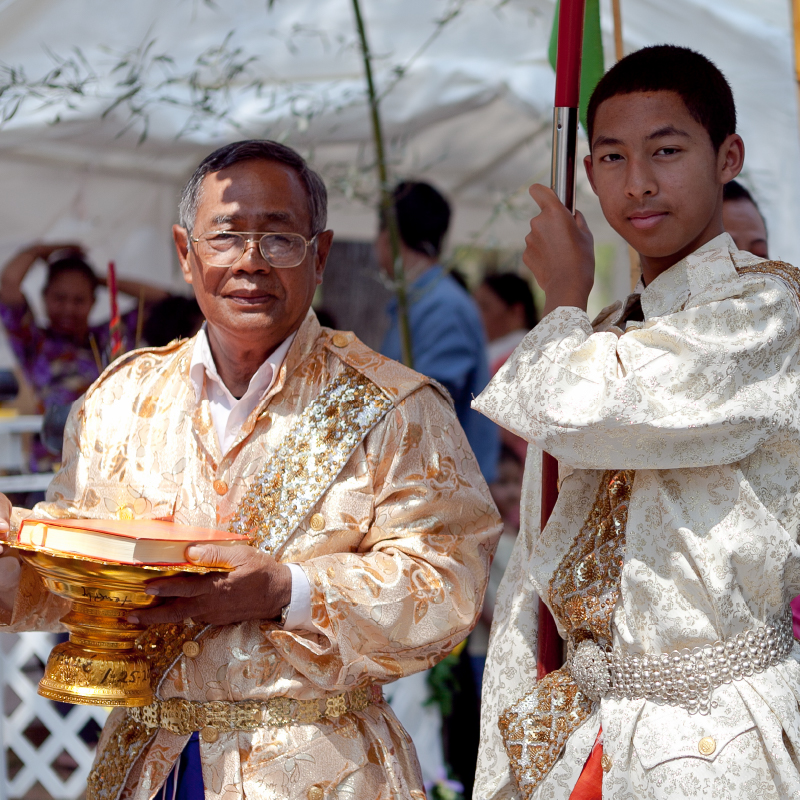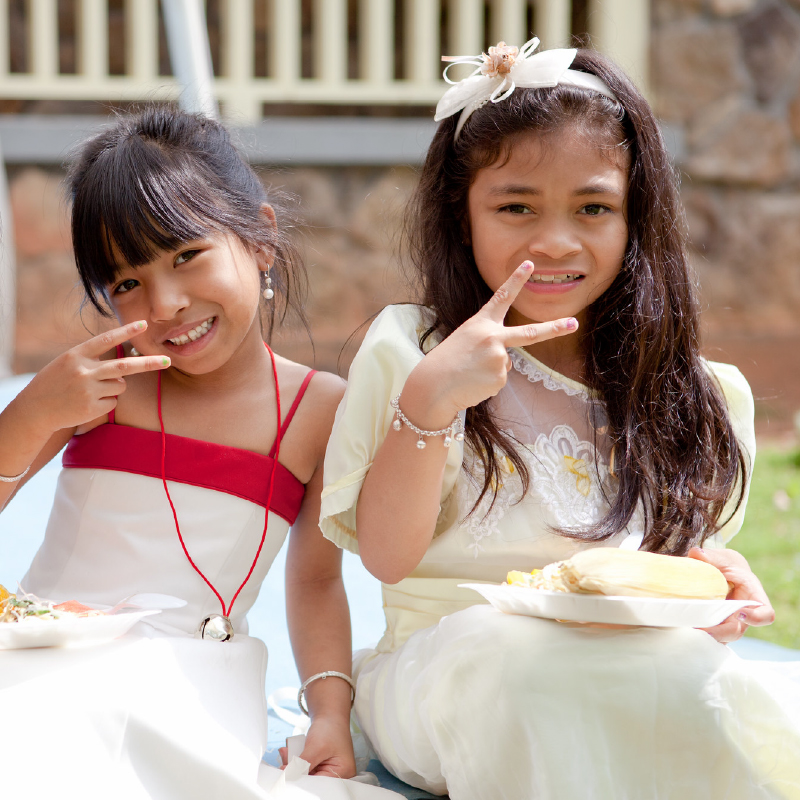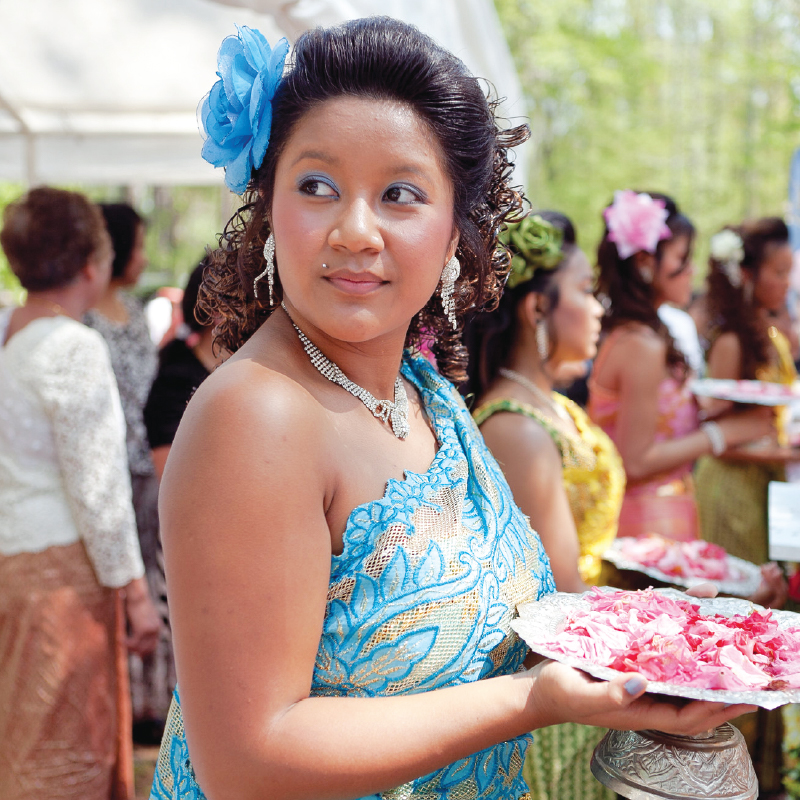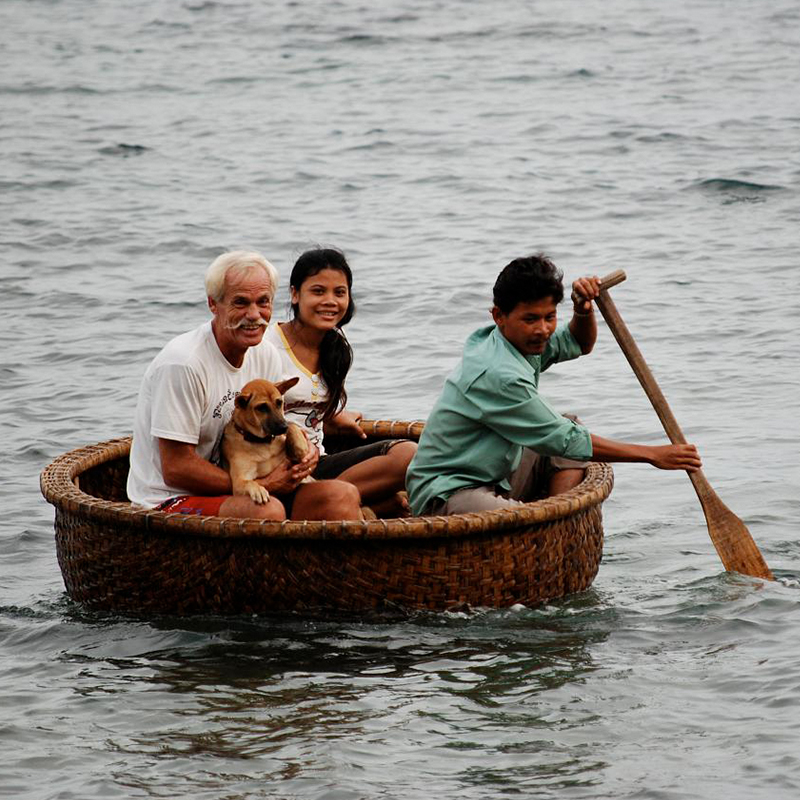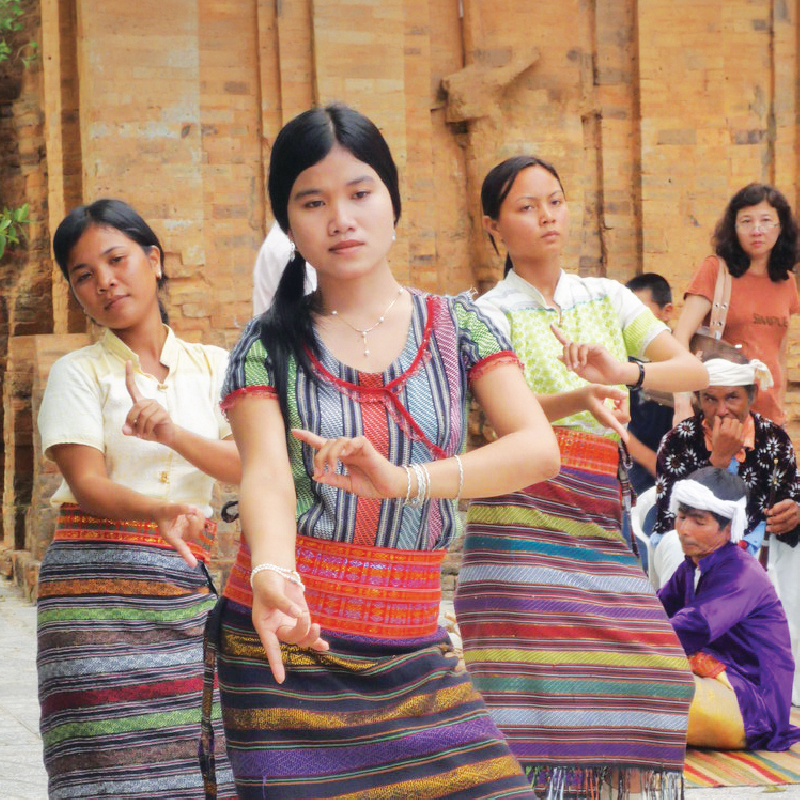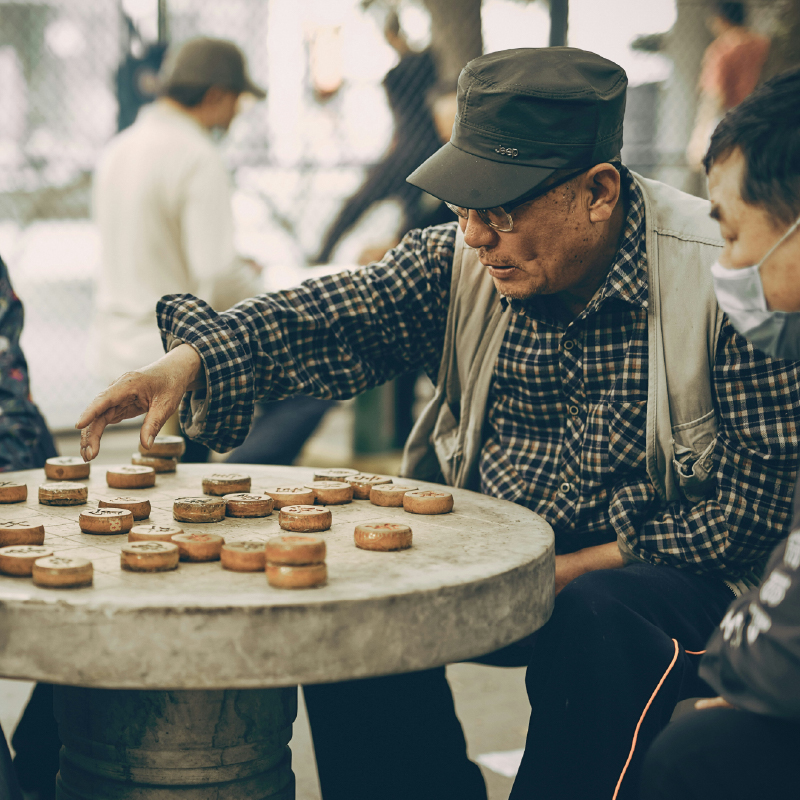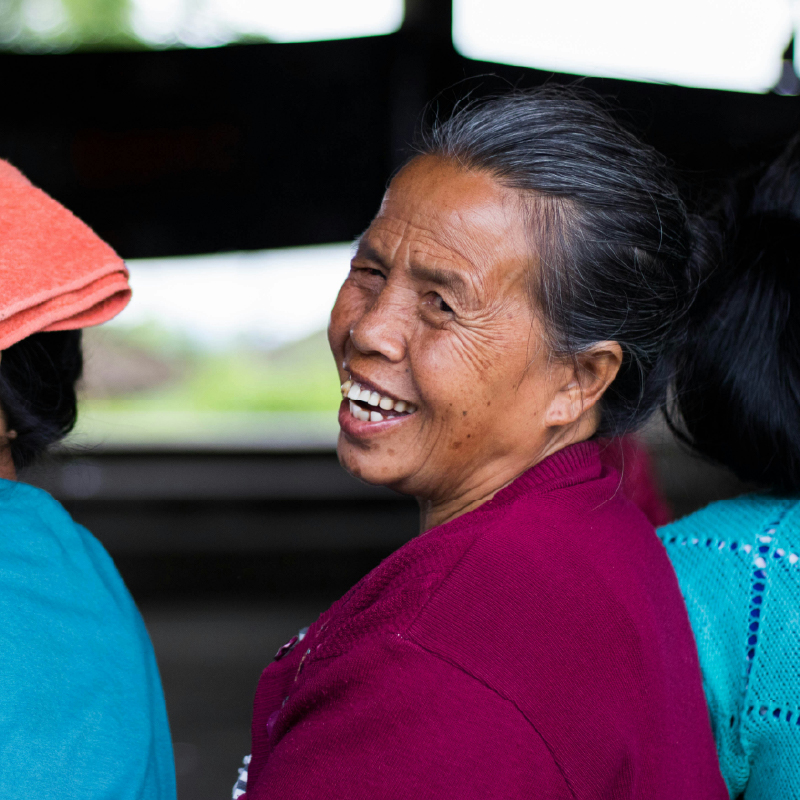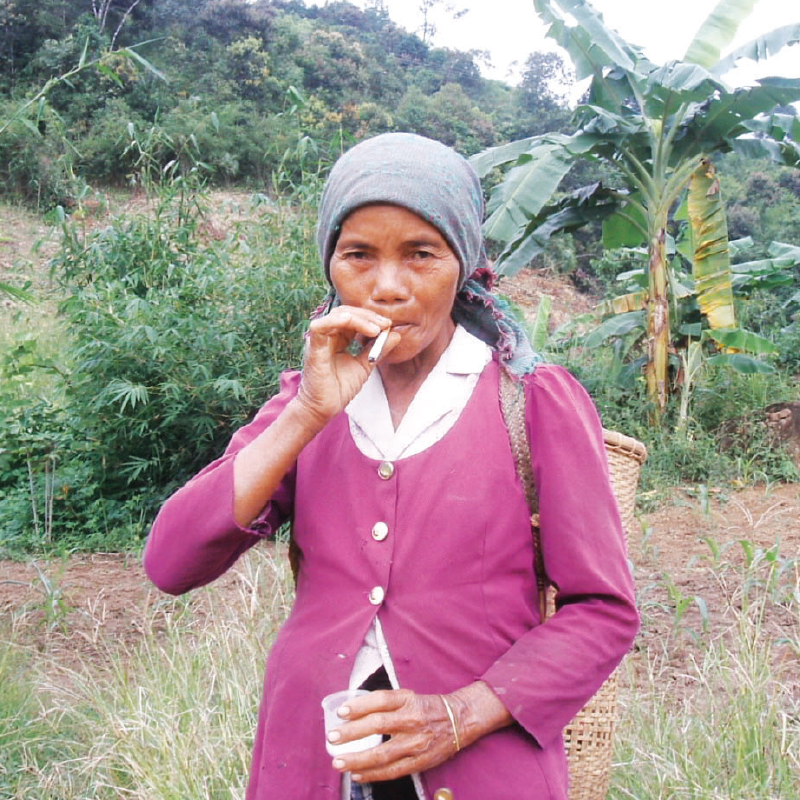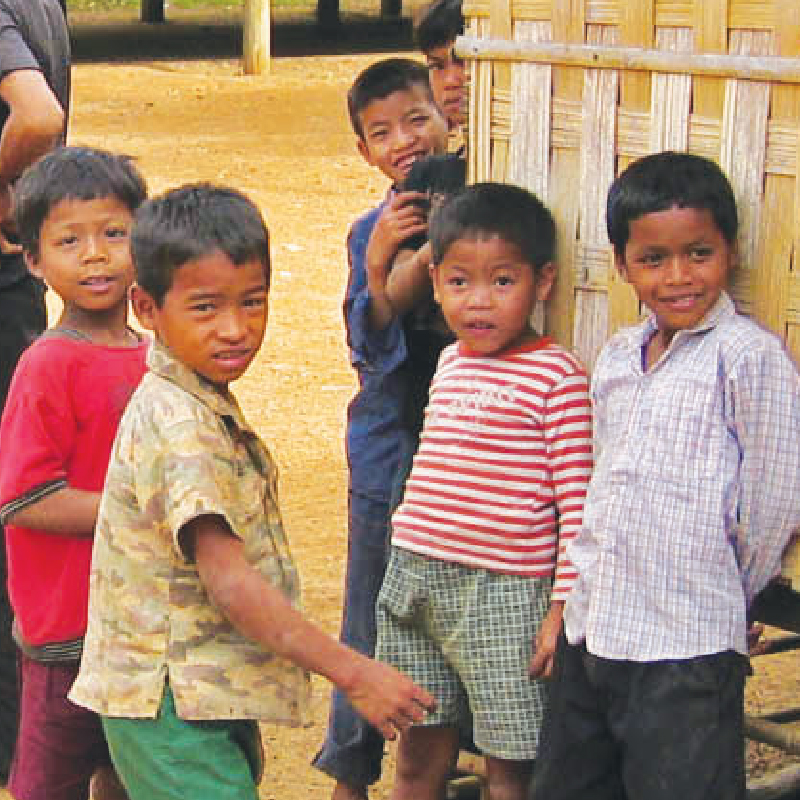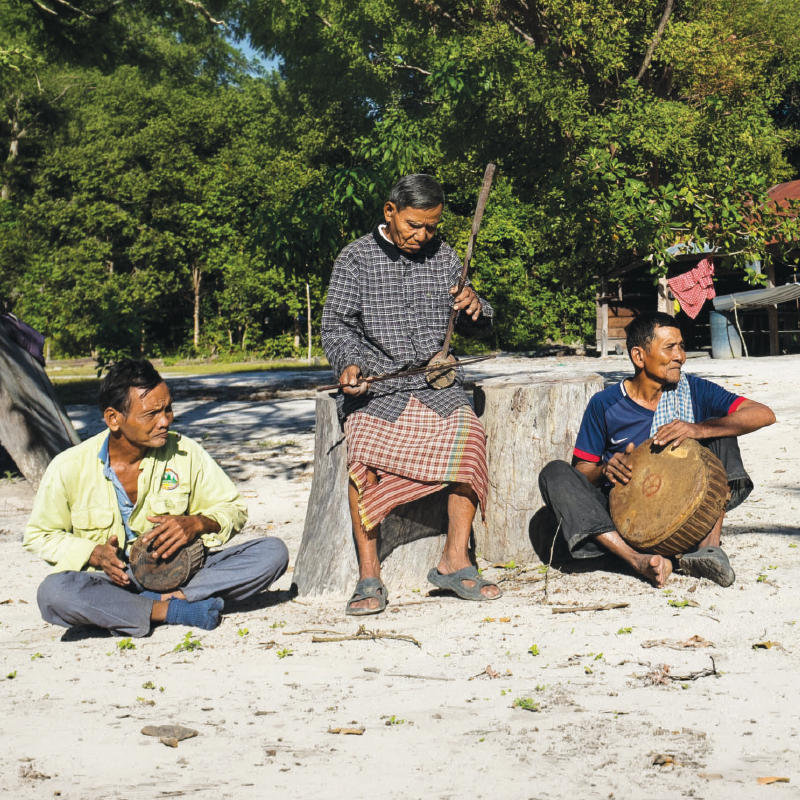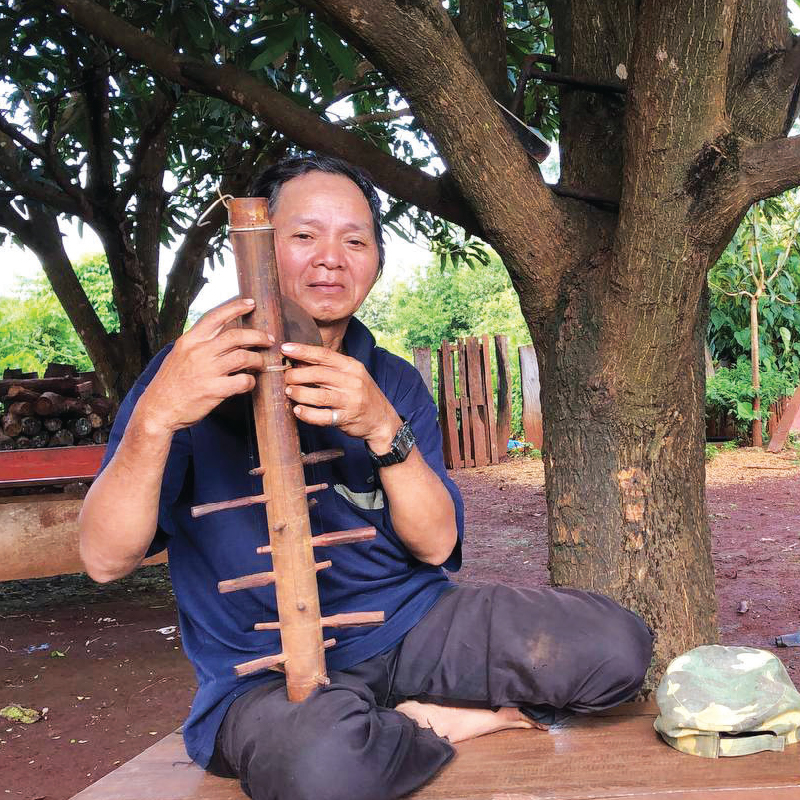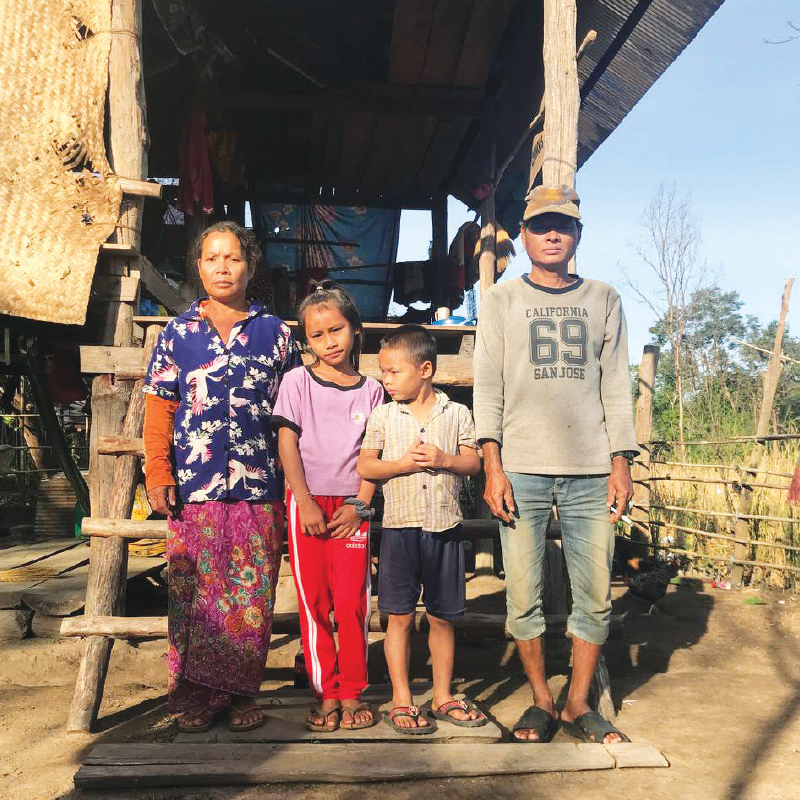

💖 These stories may seem like small things, but they remind us that missions is never simply about taking a message from one place to another. Long before people hear the gospel, their lives have already been shaped by their language, family values, daily habits, and religious beliefs. Missionaries therefore need to learn not only how to relate to people, but also how to communicate the gospel clearly.
Cambodia
From Devastation to New Life
OCT1-31
Written by Rita and Olive
Missions in Cambodia: Think Thrice Before You Act
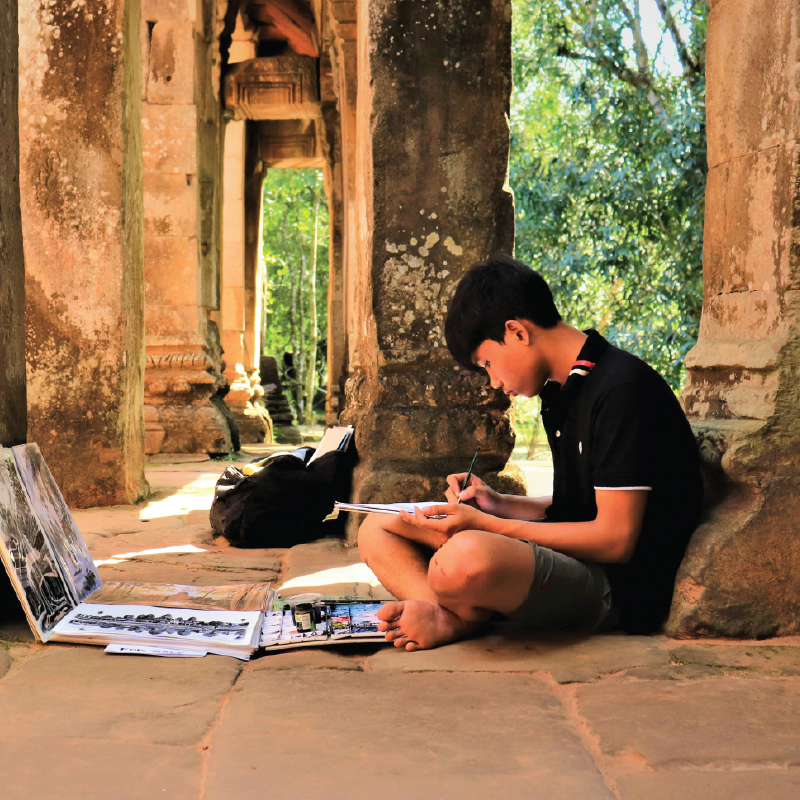
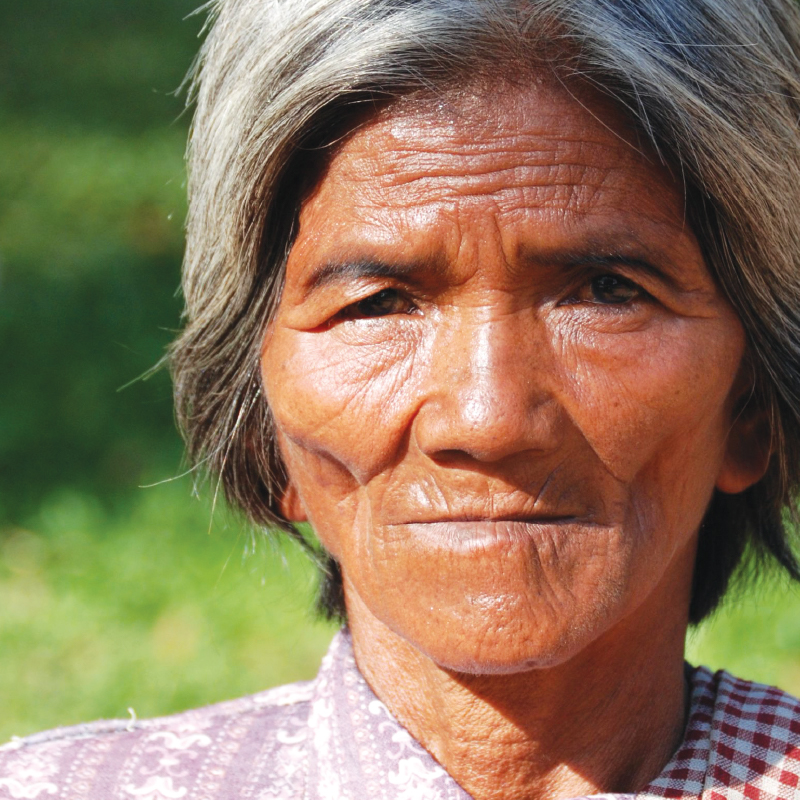
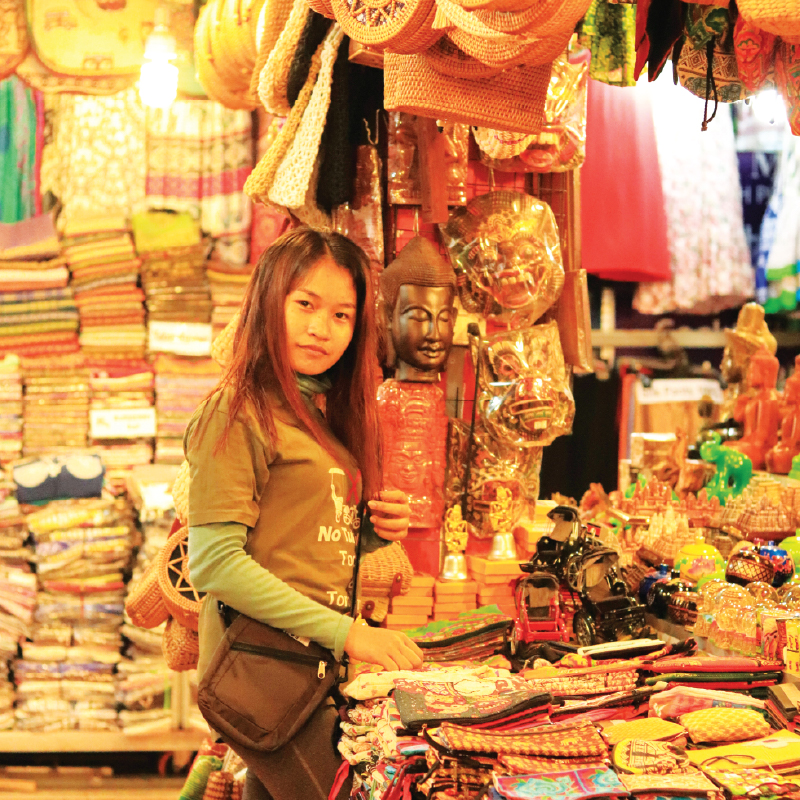
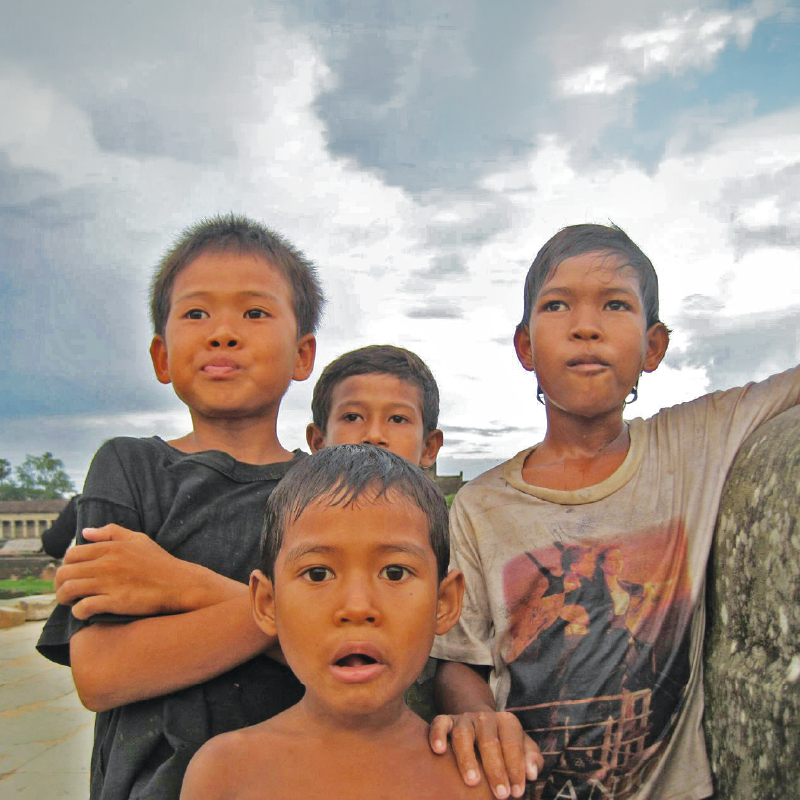
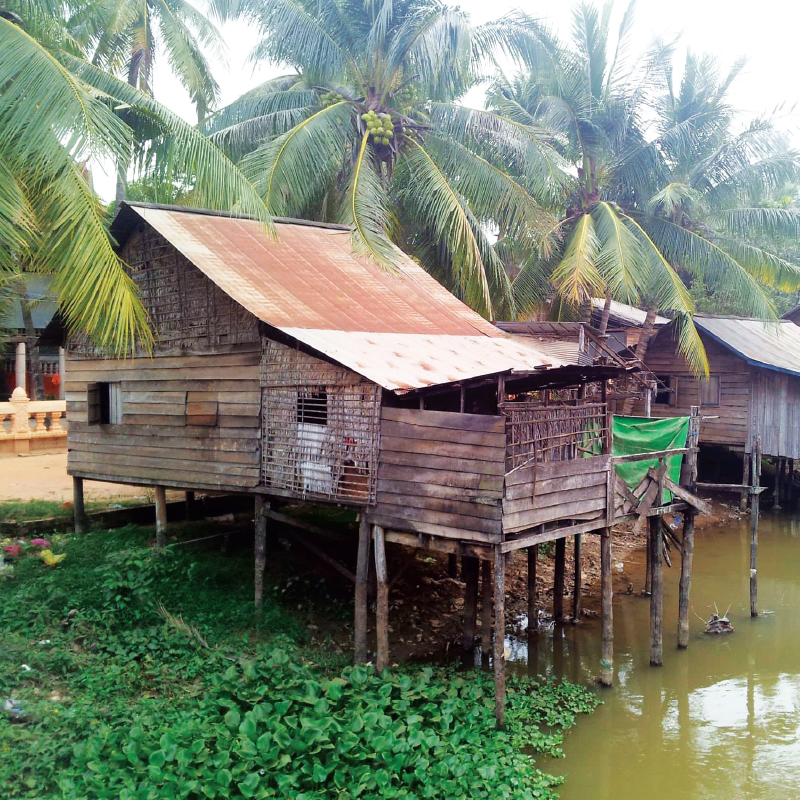
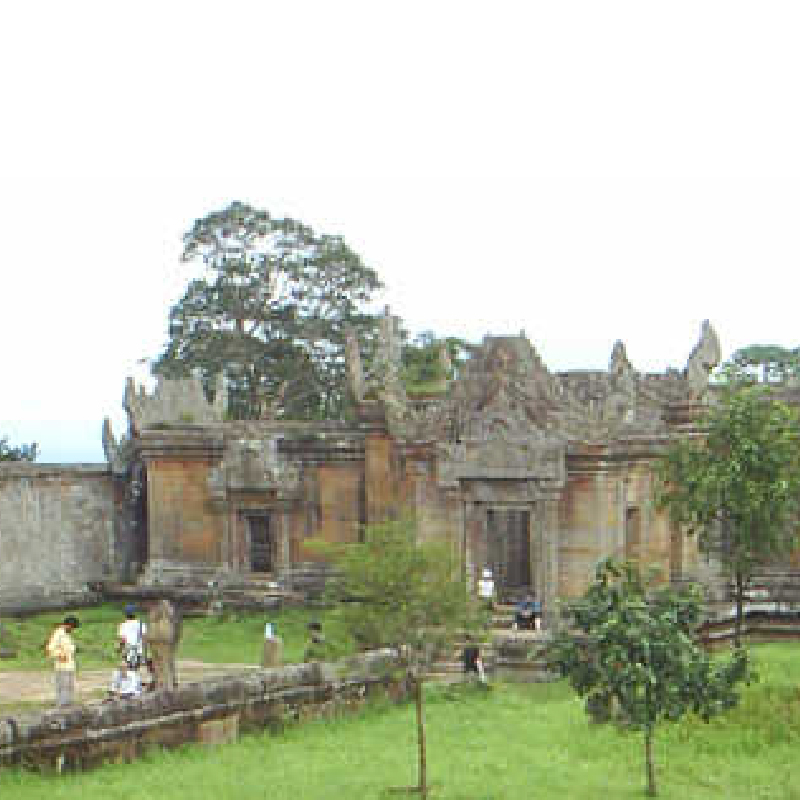
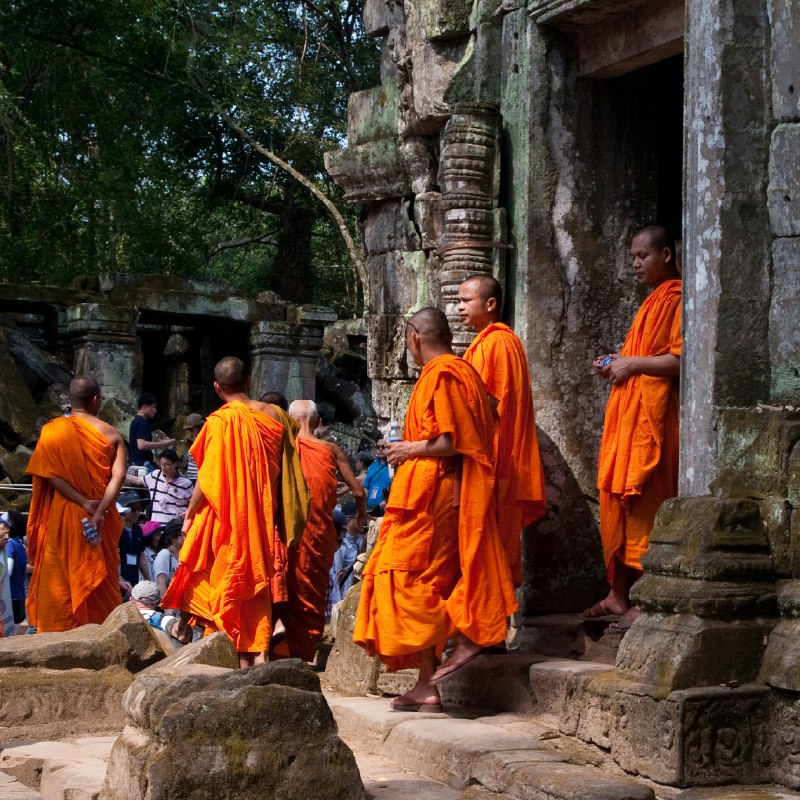
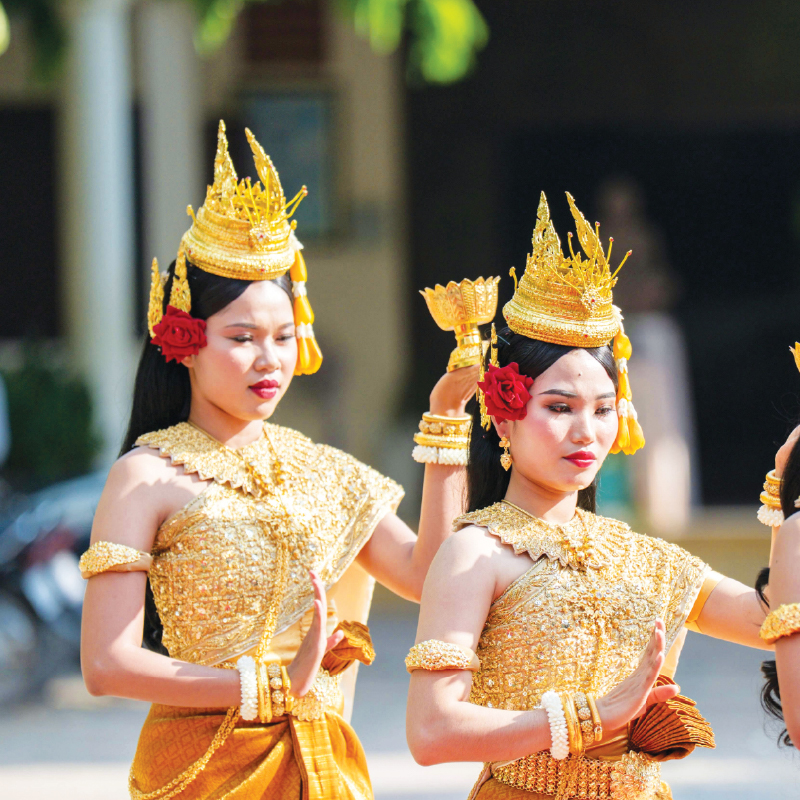
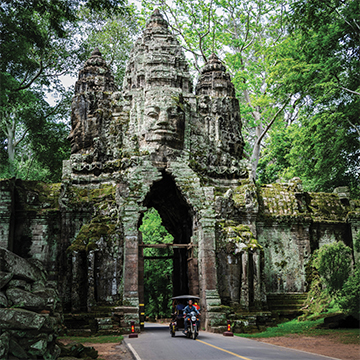
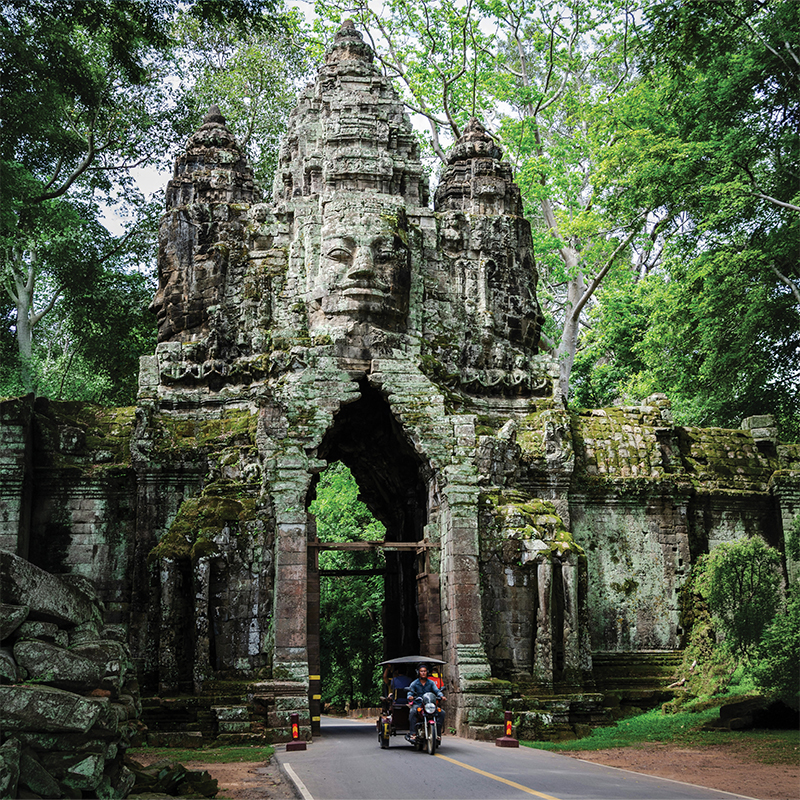
French architect Maurice Glaize praised Angkor Wat for the balance of its composition, the harmony of its proportions, and the elegance of its lines, placing it among the world's great architectural achievements. After seeing this UNESCO World Heritage Site for ourselves and reading up on Cambodian history, it is easy to come away feeling that we understand Cambodia and its people. But knowing a country's monuments is not the same as knowing its people. Reading its history does not mean we understand what lies in people's hearts. Especially when the gospel enters a village or a home, or finds its way into a discussion about bathing or a casual conversation about children, we begin to realize how much we still have to learn about the people of Cambodia. The stories that follow may surprise you again and again. When it comes to the people of Cambodia, there is always more to discover.
“Jesus Is Here!”
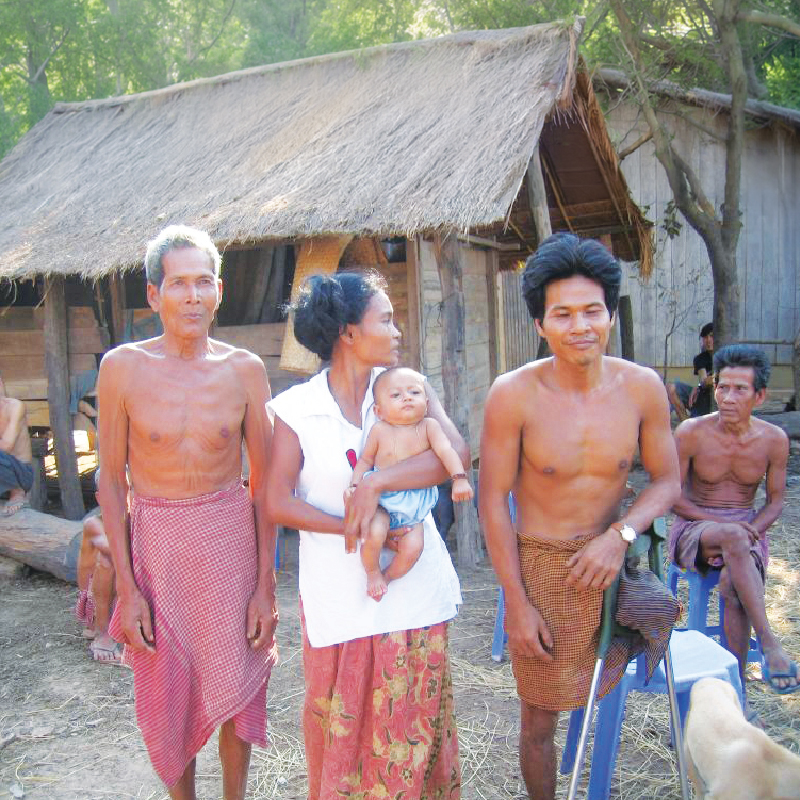
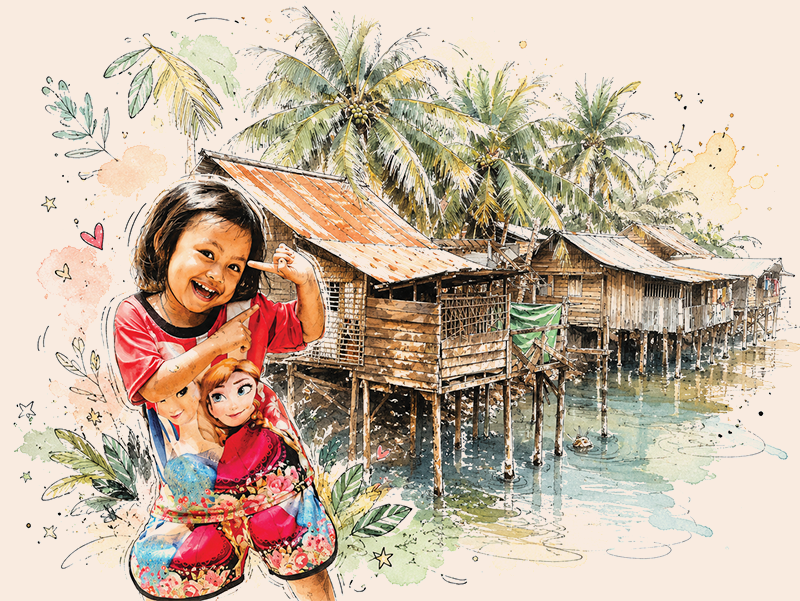
Whitney responded to God’s call and went to serve in rural Cambodia. At first, whenever the villagers saw her, they would call out, “Jesus is here!” She hardly knew whether to laugh or cry, much less whether to correct them or simply let it be. Eventually, she realized that in a place where people had never heard the gospel, it was only natural that they would not yet know the difference between Jesus and the missionary telling them about Him. From then on, whenever she heard someone shout, “Jesus is here!” she would smile and call back, “Someone who follows Jesus is here!”
Learning to Bathe
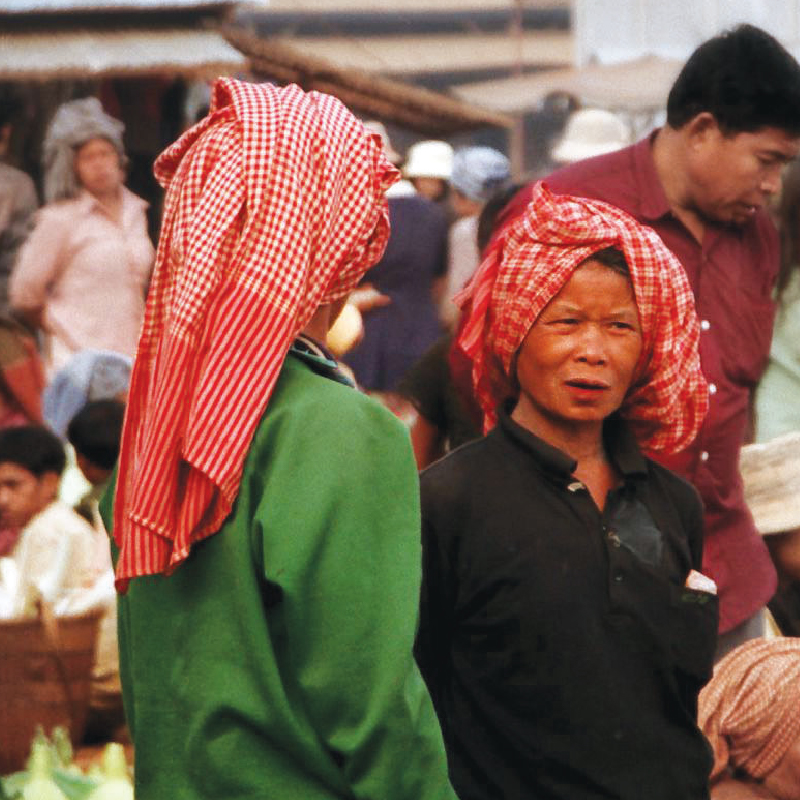
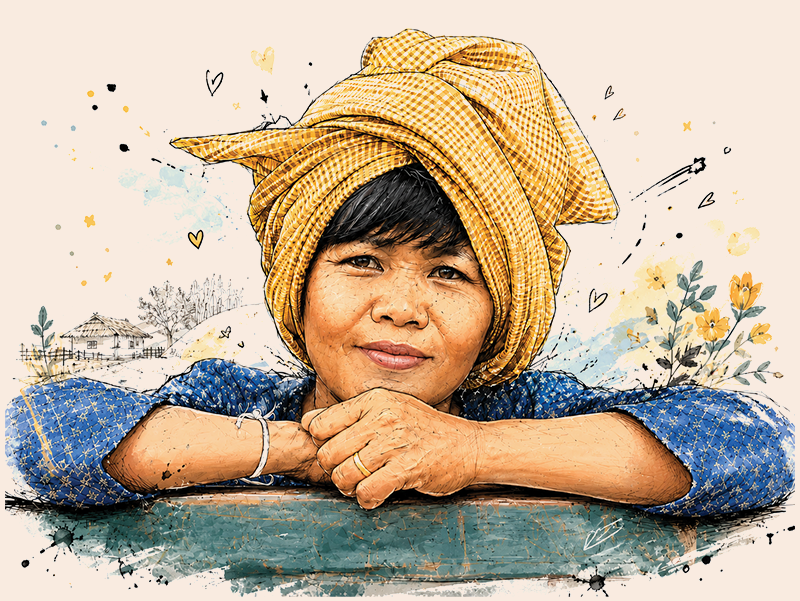
One of the first things a missionary in Cambodia has to learn is how to bathe. In Cambodia’s heat, a cool bath is a welcome pleasure. But Whitney never expected bathing itself to become such a challenge. It wasn’t that she didn’t know how to wash. The challenge was figuring out how to bathe outdoors alongside everyone else, wrapped in a krama,* without accidentally exposing herself. She tried asking local women how they did it, but they thought she was joking. So she had no choice but to teach herself, discreetly watching how the other women bathed and then going home to practice again and again. Her persistence eventually paid off. These days, she too can bathe with a krama like a local.
*A rectangular, checkered cotton cloth with many uses, recognized by UNESCO as part of Cambodia’s intangible cultural heritage.
Talking About Children
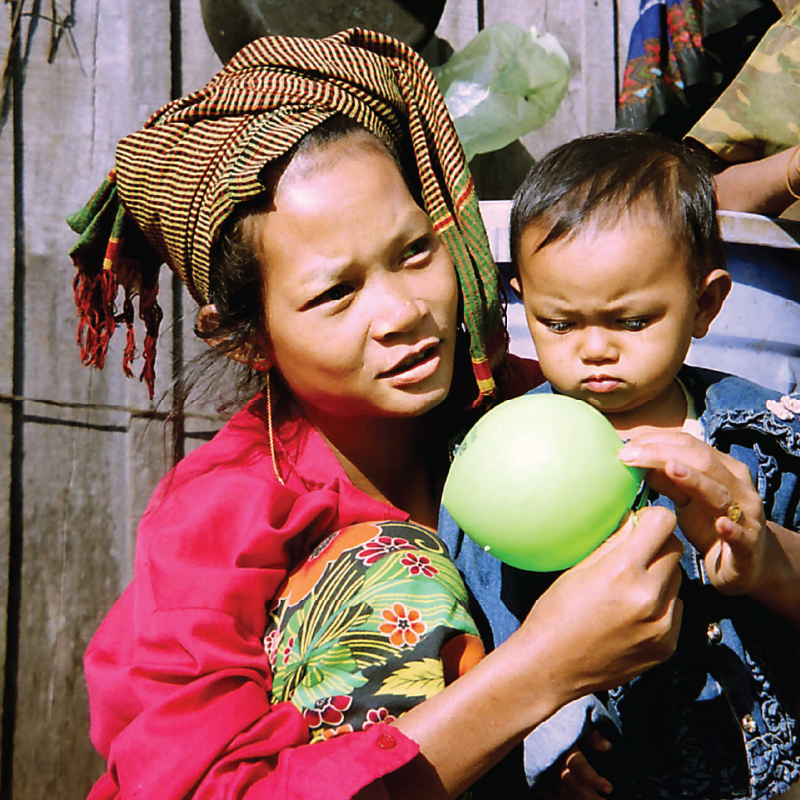
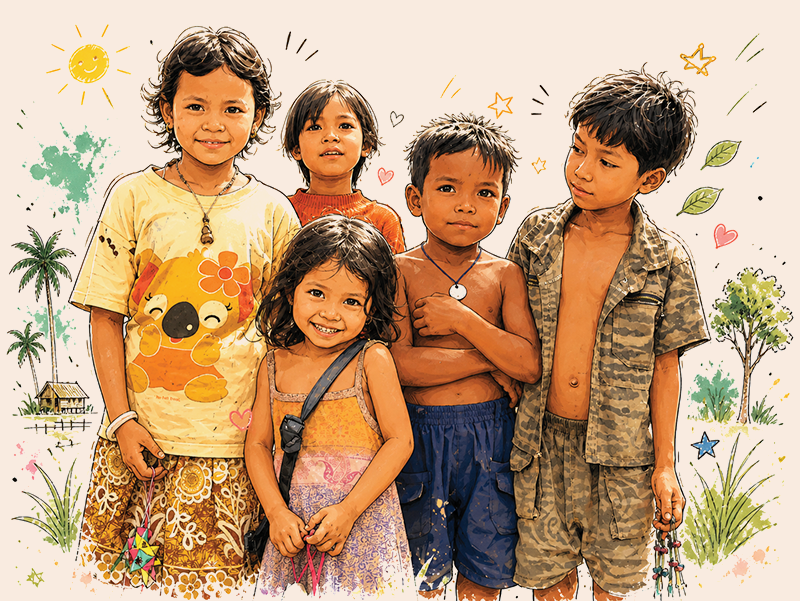
Whitney probably never imagined that not having children could become a conversation starter in ministry. Cambodia is largely an agricultural society, where another child can mean another pair of helping hands and someone to care for the family in old age. So the older women in the village would often approach Whitney and offer to let her raise one of their children. Over time, she realized that rather than responding with, “That’s none of your business,” what mattered more was keeping the conversation going and allowing the relationship to grow. Once they had finished talking about children, the other person was often more ready to listen and open up, creating a natural opportunity to talk about Jesus.
🌿
Three Essentials for Sharing the Gospel with Cambodians
Being a good person, doing good deeds, and speaking kindly are all important. But never forget to actually share the gospel and speak about Jesus. As Scripture says, “faith comes from hearing the message.” This is at the heart of why God sends missionaries.
Share the gospel in the language people know best. This is not only a matter of respect, but also a practical necessity. If you cannot speak even a little Khmer, much of what you say about the gospel may be only partially understood.
Be ready to clear up misconceptions about the gospel. Some may believe, for example, that Christians are not allowed to laugh, or that becoming a Christian means missionaries will give them money or even a car. Misunderstandings like these need to be patiently clarified again and again so that people can hear the gospel for what it truly is.
Three Common Responses Cambodians Give to the Gospel
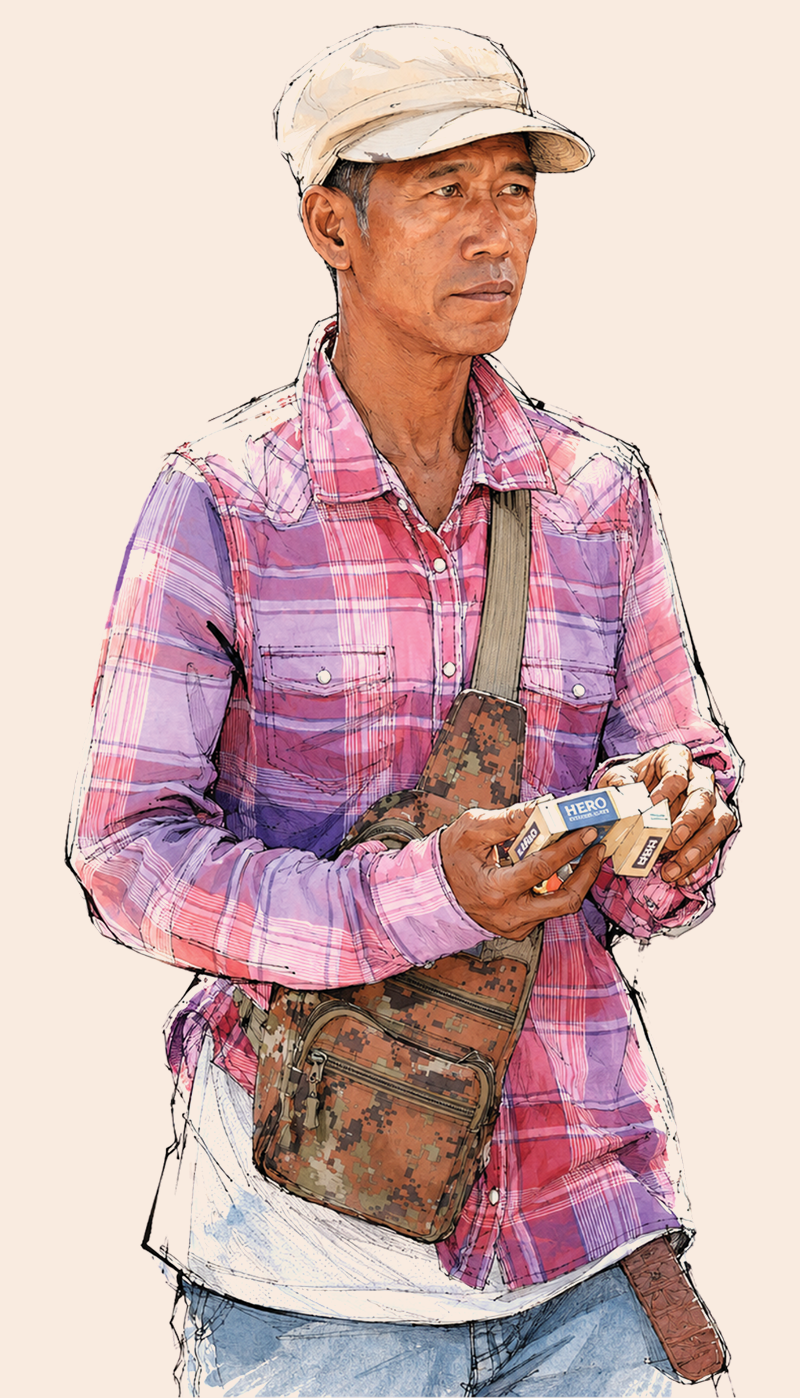
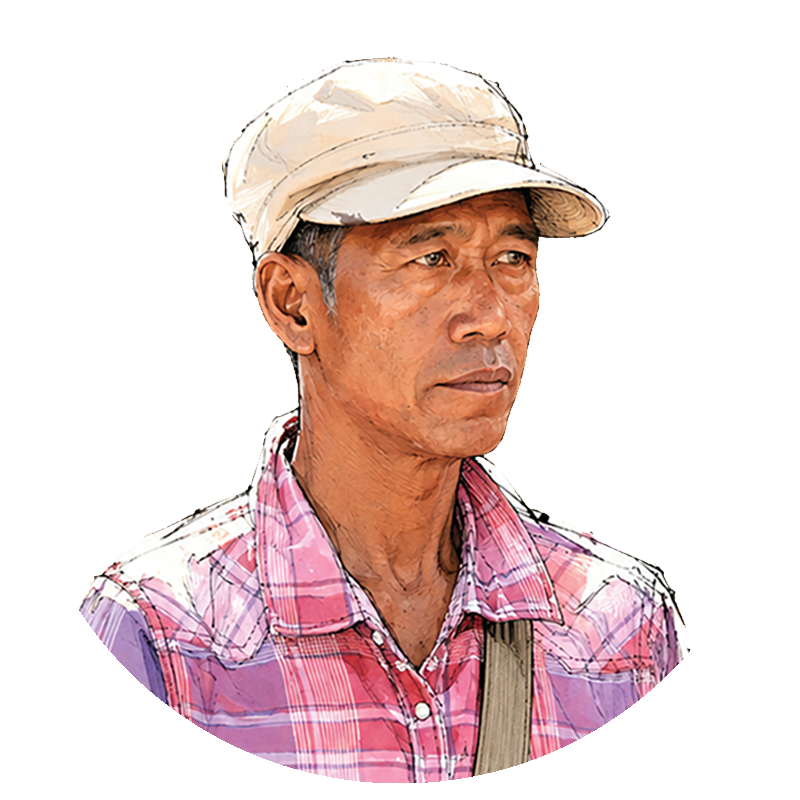
Don’t get too excited when you hear this. For many Cambodians, saying they “believe” may simply be a polite response. Actually converting and living out the faith is another matter entirely.
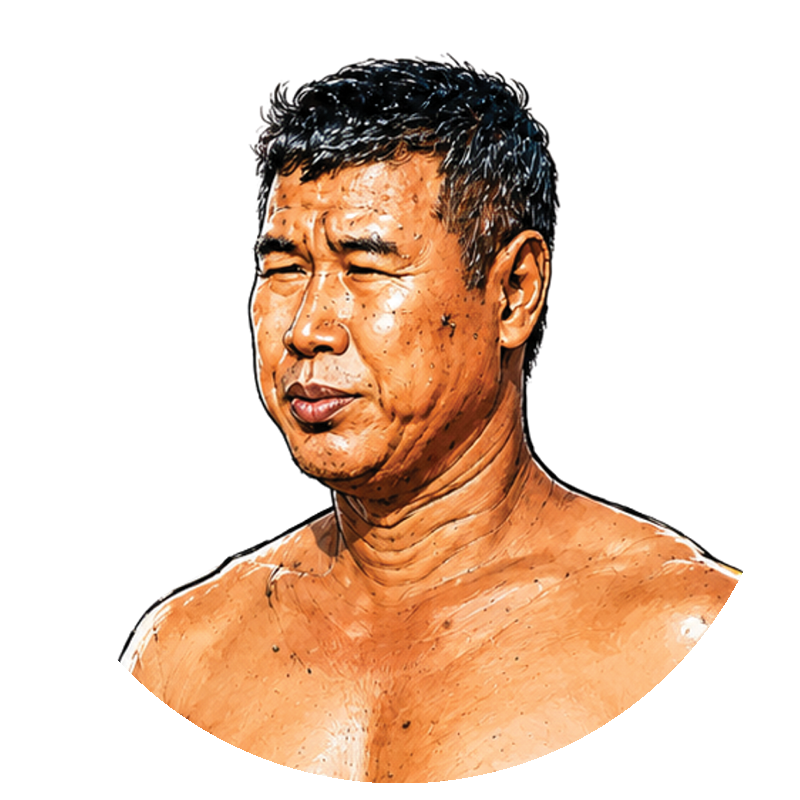
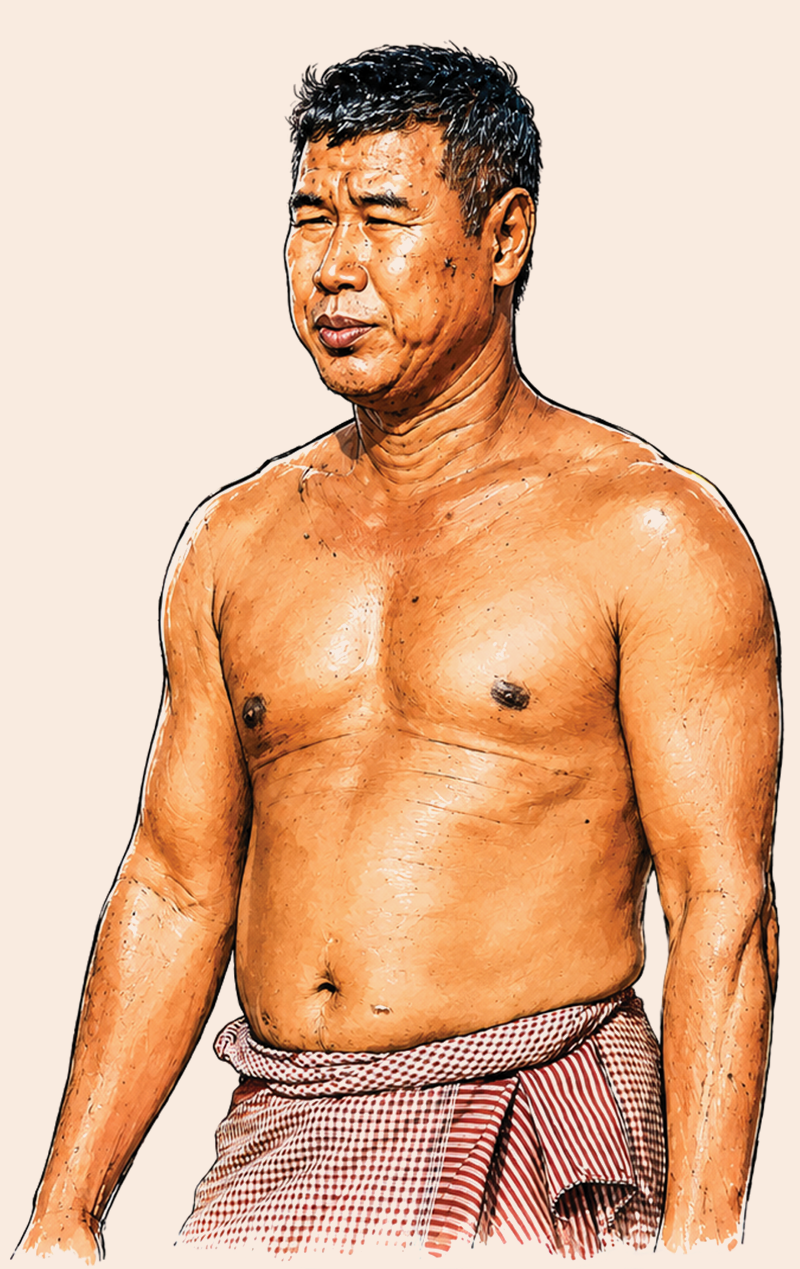
They may not come right out and say, “Khmer people are Buddhists,” but the message is often the same: thanks, but no thanks.
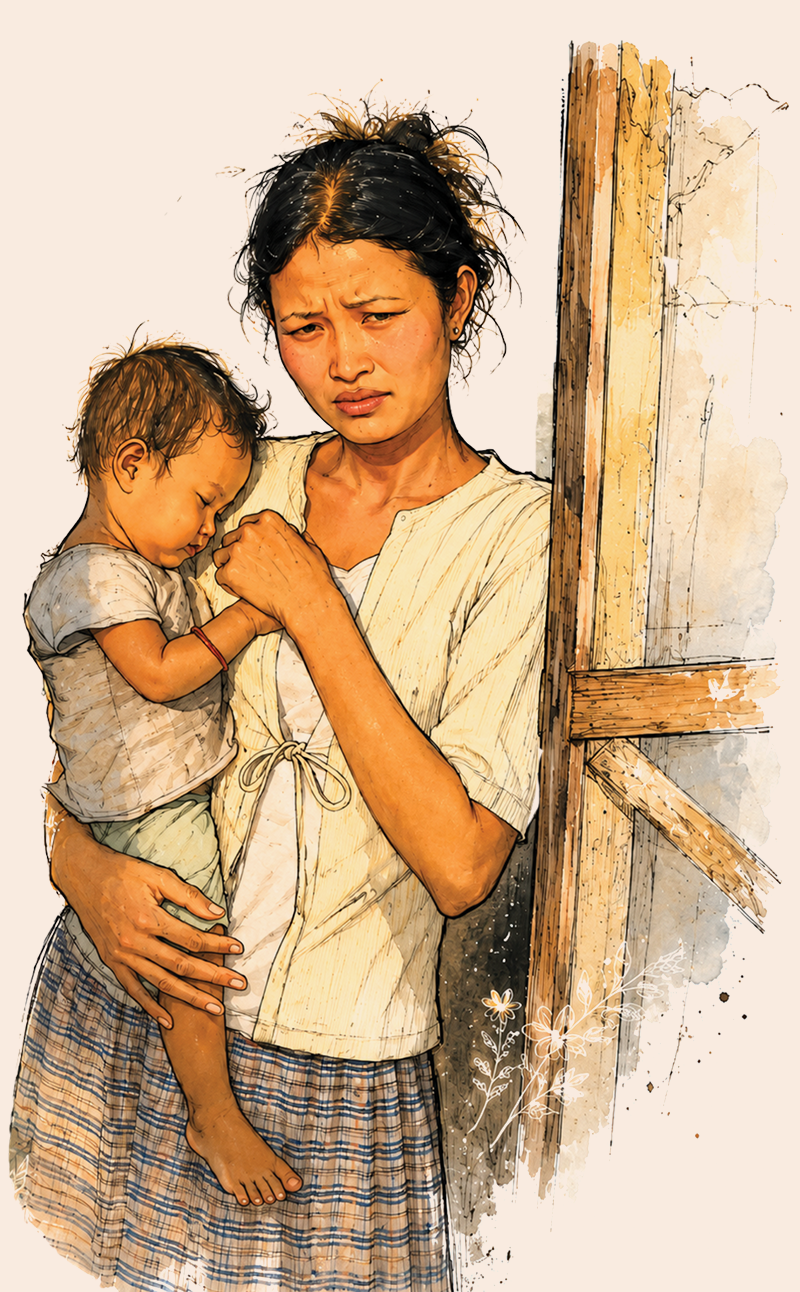
These are a minority within a minority: new believers who, within Cambodia’s already small Christian community, are trying to persevere in their faith despite criticism, isolation, and contempt from family and neighbors. Yet these very trials may also be refining their faith.
So Why “Think Thrice” About Missions in Cambodia?
💖 Missions in Cambodia requires careful thought because missionaries need time to build relationships with local people, learn how to enter into their culture, and work through questions of how the Christian faith should be contextualized within the local worldview. Learning how to observe, how to live among people, and how to communicate the gospel clearly are all challenges missionaries face on the field. That is why thinking things through again and again before taking action is a foundational lesson every missionary must learn.